

Understanding how to open a bank account in Vietnam can make day-to-day life significantly easier for expats. From receiving salary payments and paying rent to transferring money internationally and managing investments, a Vietnamese bank account can help you settle into your new life with greater confidence and convenience.
As an expat myself, I understand the importance of creating a stable financial foundation when living overseas. In this guide, I will walk you through everything you need to know about how to open a bank account in Vietnam, including eligibility requirements, documentation, banking options, fees, common challenges, and practical advice for UK expats.
Why Open a Bank Account in Vietnam?
While many expats initially rely on UK bank accounts and international cards when first moving to Vietnam, this quickly becomes expensive and inconvenient for long-term living.

Opening a local bank account in Vietnam offers several advantages such as:
Easier salary payments from Vietnamese employers
Reduced foreign transaction fees
More favourable exchange rates
Convenient local transfers and bill payments
Access to online and mobile banking
Simplified rental and utility payments
Improved financial organisation while living abroad
Many landlords, employers, and service providers in Vietnam expect payments through local banking systems, making a Vietnamese account highly practical for daily life.
Can Foreigners Open a Bank Account in Vietnam?
Yes, foreigners can open bank accounts in Vietnam, although requirements differ depending on your residency status and the bank you choose.
In general, UK and European expats can open:
A Vietnamese Dong (VND) account
A foreign currency account, often in GBP, USD, or EUR
Savings accounts
Business accounts for company owners and entrepreneurs
Most banks prefer applicants who hold:
A valid passport
A visa or temporary residence card
Proof of address in Vietnam
Employment documentation or proof of income
Tourists can sometimes open limited accounts, but full banking services are typically reserved for residents with longer-term visas or work permits.
Best Banks for Expats in Vietnam
Vietnam has a mixture of local and international banks. Your ideal choice will depend on your language preferences, online banking expectations, international transfer needs, and whether you plan to stay long-term.
Popular Vietnamese Banks
Vietnam has a strong domestic banking sector, and several local banks cater well to expats once you become familiar with how the system operates. While international banks often feel more familiar to UK residents, local Vietnamese banks can sometimes offer lower fees, broader ATM access, and more competitive day-to-day banking services.
That said, the experience can vary considerably between branches, particularly when it comes to English-language support. For this reason, many expats prefer opening accounts in larger cities such as Ho Chi Minh City or Hanoi, where staff are more accustomed to assisting foreign clients.
Below are some of the most commonly used Vietnamese banks among expats.
1. Vietcombank
Vietcombank is widely regarded as one of the most reliable and internationally connected banks in Vietnam. Because of its longstanding reputation and extensive infrastructure, many multinational employers use Vietcombank for local salary payments.
For UK expats who need regular international transfers, Vietcombank can be particularly practical. The bank has strong SWIFT transfer capabilities and generally integrates well with overseas banking systems.
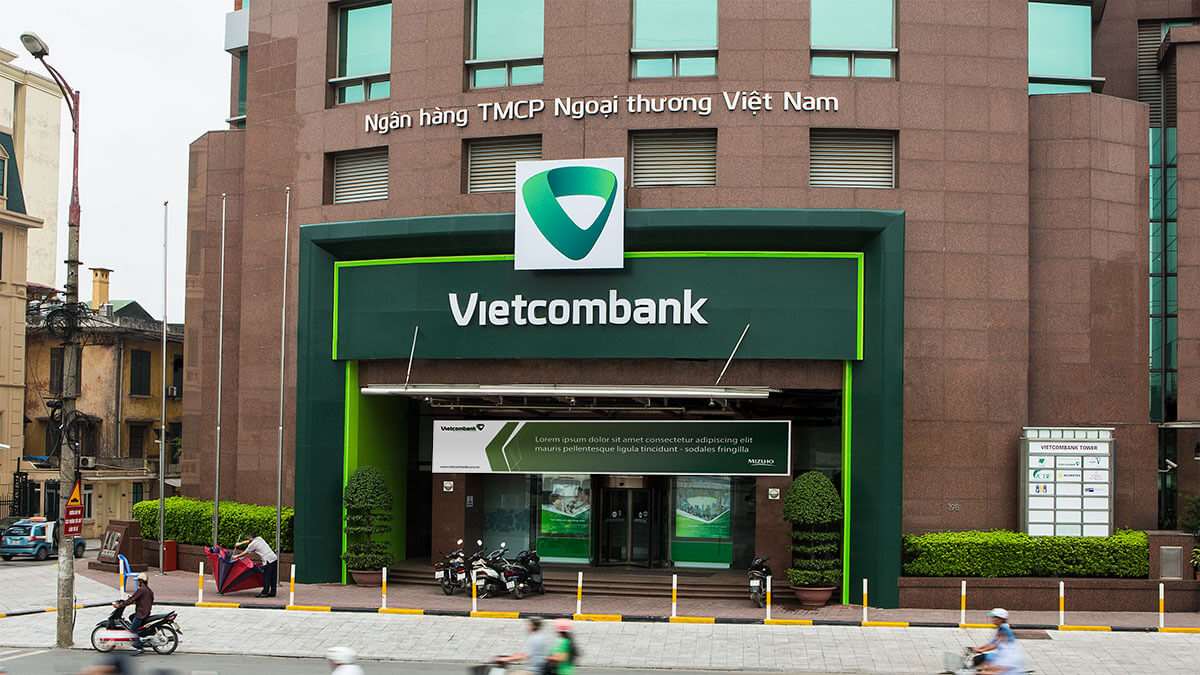
One major advantage is the bank’s nationwide presence. Whether you live in central Ho Chi Minh City or travel frequently throughout Vietnam, you are unlikely to struggle finding:
ATMs
Physical branches
Payment acceptance
This can make everyday banking considerably more convenient.
In terms of fees, Vietcombank tends to remain relatively affordable compared to some international banks. However, exchange rate margins can still affect larger transfers. For example, if you transfer £10,000 from the UK to Vietnam, even a 1.5% exchange rate difference could reduce the value received by approximately £150 equivalent. Over time, these small percentages add up significantly for expats regularly moving money internationally.
The bank’s mobile banking platform has improved substantially in recent years, although some parts of the app may still feel less intuitive compared to UK digital banks.
2. Techcombank
Techcombank has developed a strong reputation among younger professionals, entrepreneurs, and digitally focused expats. In many ways, it reflects Vietnam’s rapidly modernising financial sector.
For expats who value convenience and mobile banking functionality, Techcombank is often considered one of the strongest domestic options available. Its app supports:
Fast local transfers
QR code payments
Utility bill payments
Real-time notifications
This is especially useful because Vietnam operates heavily through digital payments. In larger cities, many cafes, restaurants, taxis, and convenience stores now accept QR-based bank transfers instead of cash.
Compared to more traditional state-owned banks, Techcombank’s onboarding process can sometimes feel quicker and more streamlined. Branches located in modern commercial areas also tend to have staff more familiar with foreign clients.
Another appealing feature is the bank’s relatively competitive fee structure. Many everyday services come with minimal charges provided you maintain the required account conditions.
For example, an expat receiving a monthly salary equivalent to £2,500 may find Techcombank’s low transfer fees and free domestic banking features considerably cheaper over a year than relying entirely on overseas debit cards and international withdrawal fees.
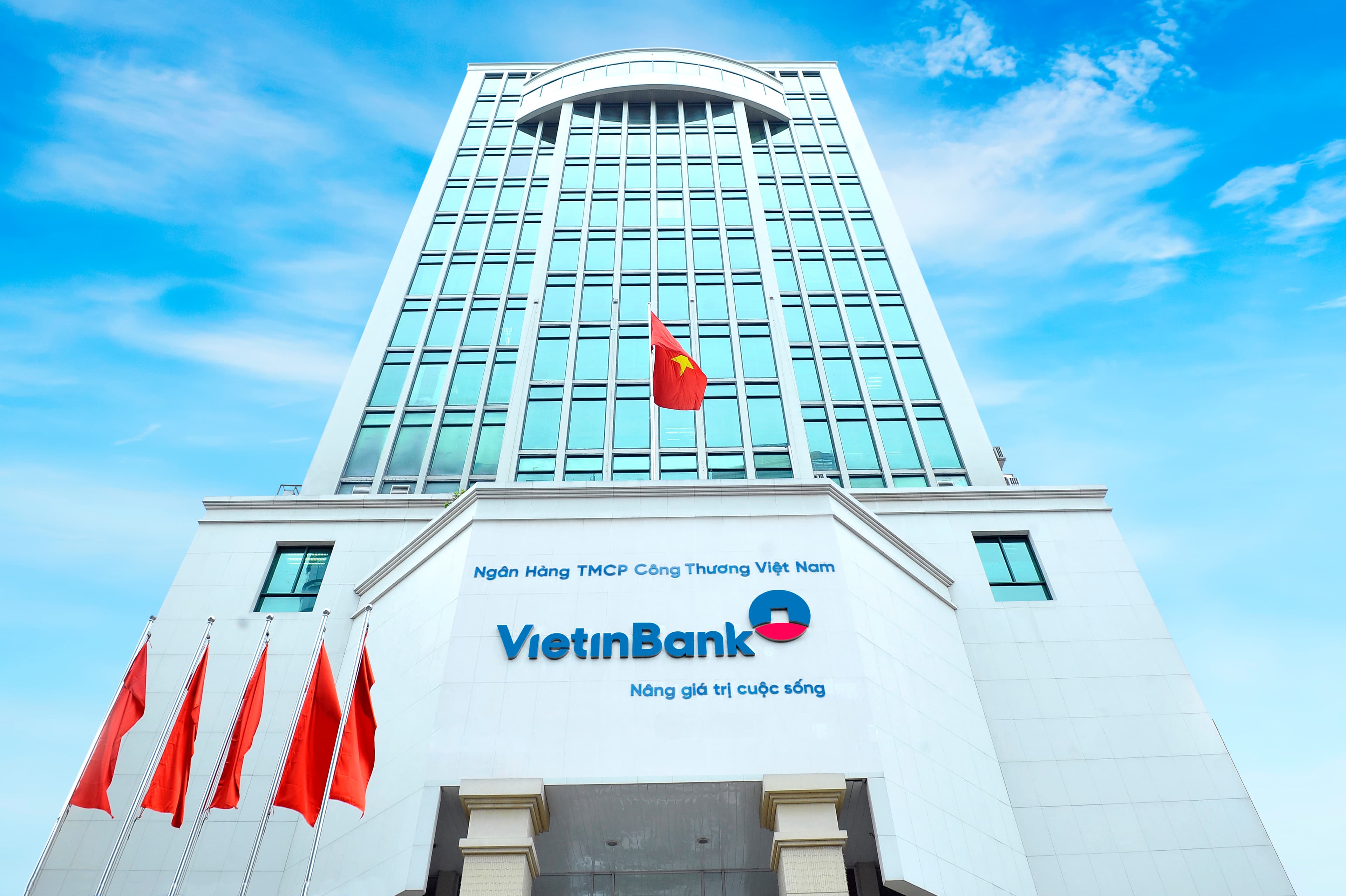
3. BIDV and VietinBank
BIDV and VietinBank are among Vietnam’s largest state-owned banks and remain deeply integrated into the country’s financial system. These institutions are commonly used by local employers, government-linked organisations, and larger Vietnamese corporations.
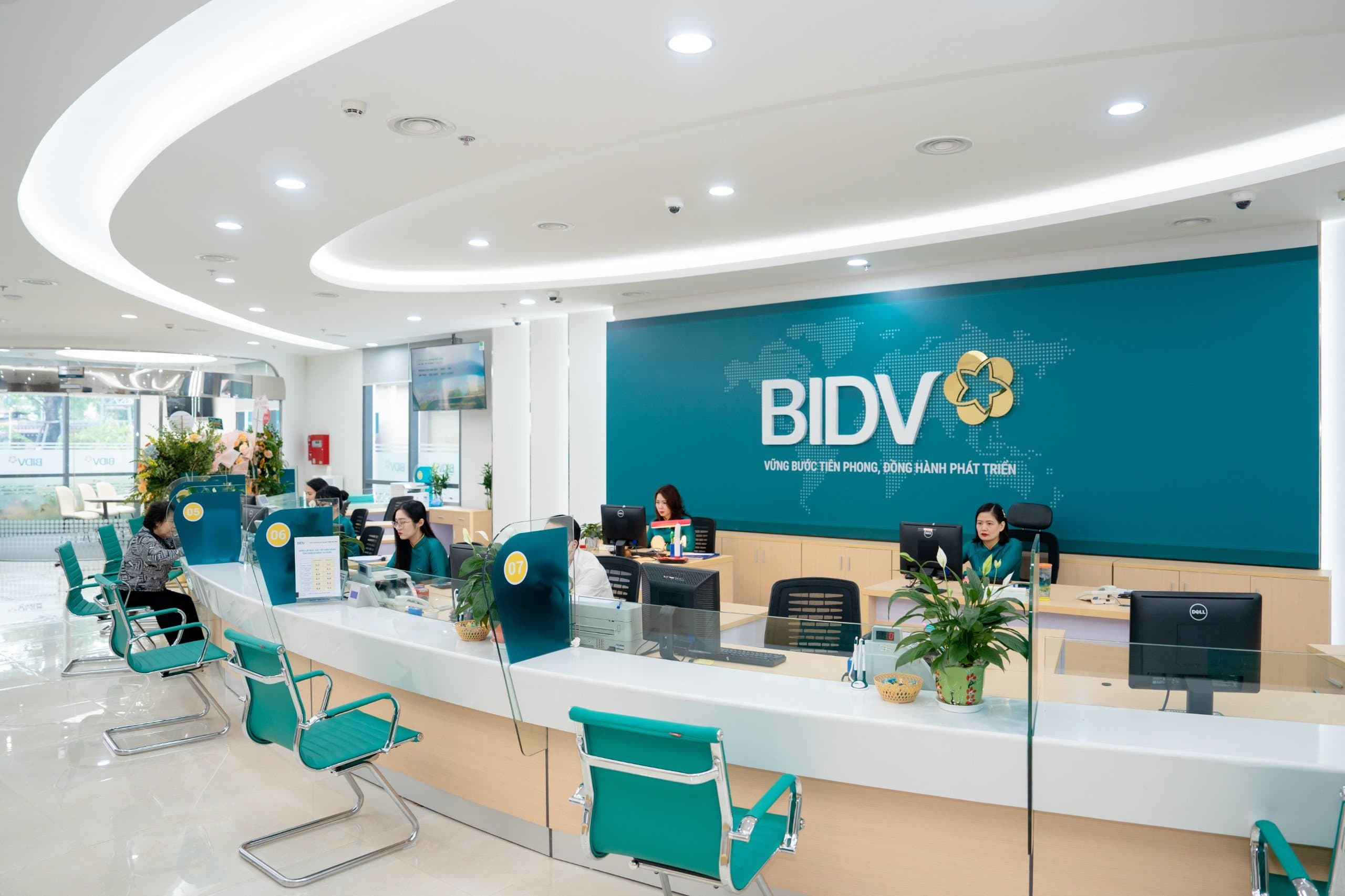
For expats employed by Vietnamese companies, there is a reasonable chance your employer may recommend or require one of these banks for payroll purposes.
One of the key strengths of BIDV and VietinBank is stability and accessibility. Their branch and ATM networks are extensive, making them practical for individuals living outside major expat areas or travelling regularly throughout Vietnam.
Additionally, these banks often provide:
Competitive local transfer fees
Straightforward savings products
Broad domestic payment compatibility
From a practical standpoint, this means everyday financial tasks such as paying rent, utilities, or local suppliers can be handled efficiently.
For many expats, BIDV or VietinBank work best as functional local banking solutions rather than sophisticated international banking platforms.
International Banks in Vietnam
For many UK and European expats, international banks offer a greater sense of familiarity and comfort when first relocating to Vietnam. While local Vietnamese banks are often more integrated into the domestic economy, international institutions can provide smoother cross-border banking experiences, stronger English-language support, and easier access to global financial services.
This becomes particularly valuable for expats who:
Continue earning income outside Vietnam
Maintain UK investments or pensions
Frequently transfer money internationally
Require multi-currency banking solutions
For expats managing larger financial portfolios or long-term international wealth planning, these trade-offs may still prove worthwhile.
1. HSBC Vietnam
HSBC remains one of the most recognisable banking brands for UK expats living abroad, and its Vietnam operations are often viewed as one of the more accessible international banking options in the country.
For many British expats, one of HSBC’s strongest advantages is continuity. If you already bank with HSBC in the UK, transitioning to HSBC Vietnam can feel significantly more familiar than navigating an entirely new banking system. In some cases, international customers may even benefit from simplified account opening procedures or linked global banking services.
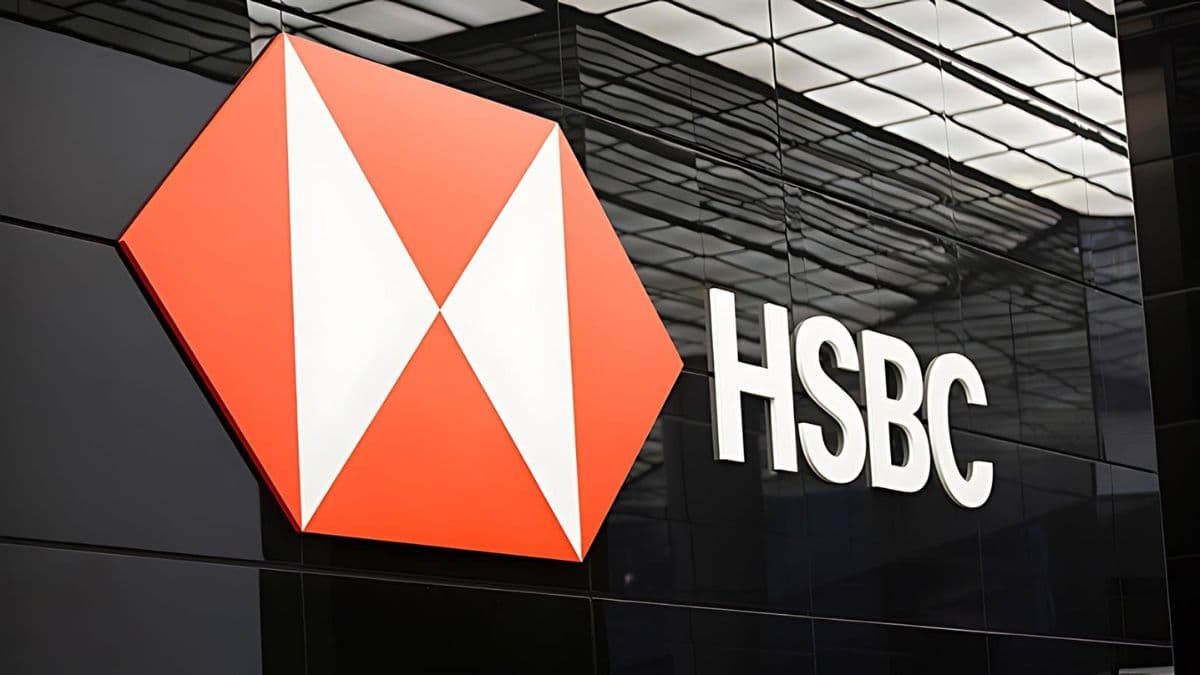
The Hongkong and Shanghai Banking Corporation in Vietnam
This can make managing finances between the UK and Vietnam considerably easier, particularly for:
Salary transfers
International savings
Mortgage commitments
Investment funding
Pension income
HSBC also offers multi-currency account options, which can be useful if you regularly move funds between pound sterling and Vietnamese Dong. Rather than converting money immediately during periods of poor exchange rates, some expats prefer holding multiple currencies strategically before making transfers.
For example, if the GBP/VND exchange rate strengthens by just 3%, an expat transferring £25,000 could potentially receive the equivalent of an additional £750 in value. Over time, proper currency timing can make a meaningful difference to long-term finances.
Another advantage is HSBC’s generally strong English-language customer support. Larger branches in Ho Chi Minh City and Hanoi are well accustomed to working with foreign professionals, business owners, and retirees.
Digital banking functionality is also typically more familiar to UK users, with smoother international integration compared to some local banks.
2. Standard Chartered Vietnam
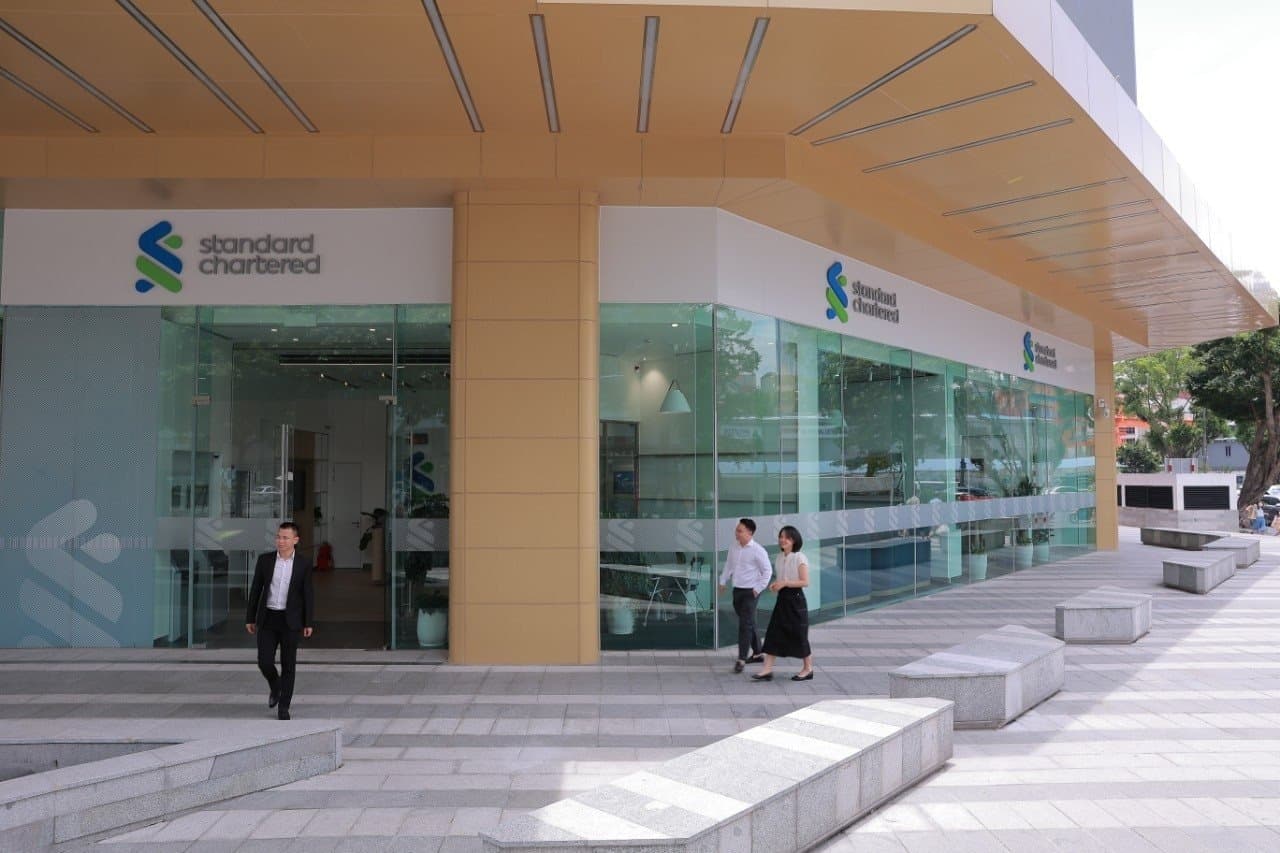
Standard Chartered is another well-established international bank serving expats in Vietnam, particularly professionals working in multinational industries, finance, technology, and international trade.
Much like HSBC, Standard Chartered offers a more internationally aligned banking experience than many domestic Vietnamese institutions. This can be reassuring for expats accustomed to UK banking standards, especially when managing larger cross-border financial obligations.
One area where Standard Chartered performs particularly well is international wealth management integration. Expats with broader financial planning considerations, such as offshore investments, retirement planning, or multi-jurisdiction financial structures, may appreciate the bank’s global perspective and cross-border capabilities.
In practical terms, this can simplify:
International transfers
Foreign currency management
Overseas account access
Investment-related transactions
The bank’s online and mobile banking systems are also generally polished and user-friendly, which is increasingly important in Vietnam’s fast-moving digital payment environment.
Additionally, Standard Chartered often appeals to expats who prioritise relationship-based banking. Depending on account level, clients may receive more personalised support compared to some high-volume domestic banks.
Documents Required to Open a Bank Account in Vietnam
When considering how to open a bank account in Vietnam, preparation is essential. Requirements vary slightly between banks, but most expats will need the following:
Essential Documents
Valid passport
Vietnamese visa or temporary residence card
Proof of Vietnamese address
Employment contract or work permit
Minimum opening deposit
Some banks may also request:
Tax identification number
Vietnamese phone number
Passport-sized photographs
Always bring original documents rather than photocopies alone.
Step-by-Step Process: How to Open a Bank Account in Vietnam
Once you understand which bank best suits your needs, the actual process of opening an account in Vietnam is usually relatively straightforward. However, preparation makes a significant difference, particularly for expats navigating an unfamiliar banking system for the first time.
While procedures vary slightly between banks, most UK and European expats can expect the following steps.
1. Choose the Right Bank
Before opening an account, take time to assess how you intend to use your banking facilities in Vietnam.
For example, an expat working for a local Vietnamese employer may prioritise:
Salary payments
Domestic transfers
Low local banking fees
Meanwhile, a retiree receiving pension income from the UK may place greater importance on:
International transfer capabilities
Multi-currency accounts
Exchange rate efficiency
English-language support
This distinction matters because no single bank is ideal for every expat situation.

If you expect to transfer money internationally on a regular basis, compare:
Currency conversion margins
International wire fees
ATM withdrawal costs
Overseas card usability
A small percentage difference in exchange rates can quickly become expensive. For instance, transferring £2,000 per month with a poor exchange rate could potentially cost several hundred pounds annually compared to more efficient transfer structures.
Equally important is digital functionality. Vietnam has become increasingly cashless in urban areas, with QR code payments and mobile transfers now widely used for everyday spending.
As a result, a strong mobile banking app can significantly improve your day-to-day convenience.
2. Visit a Local Branch
Although Vietnam’s banking sector continues to modernise, most foreign nationals still need to visit a branch in person to complete the account opening process.
Whenever possible, choose a larger branch in major cities such as:
Ho Chi Minh City
Hanoi
Da Nang
These locations generally have more experience assisting expats and are more likely to provide English-speaking staff.
Timing can also make a difference. Visiting during quieter weekday hours often results in faster service and more attentive assistance.
In some branches, you may receive a queue number and wait to meet a banking adviser, while other banks operate through appointment-based systems for foreign applicants.
The overall experience can range from highly efficient to somewhat administrative depending on the institution you select.
3. Submit Your Documentation
Once seated with a bank representative, you will be asked to provide your documentation for verification.
Typically, banks will request:
Your passport
Valid visa or residence documentation
Proof of local address
Employment contract or work permit
Some banks may also ask for a Vietnamese phone number before activating online banking services.

It is advisable to bring both original documents and photocopies, even if the bank does not explicitly request copies beforehand. This can prevent unnecessary delays if additional paperwork becomes necessary.
At this stage, you will also complete application forms and signature registrations. Depending on the bank, some documents may still be partially written in Vietnamese, although staff at expat-focused branches will usually guide you through the process.
For UK expats unfamiliar with local administrative procedures, patience is helpful. Vietnamese banking systems can occasionally involve more manual paperwork than modern UK digital onboarding processes.
4. Make an Initial Deposit
Most Vietnamese banks require a minimum opening deposit before activating your account.
In many cases, this amount is relatively modest and may range between approximately £15 and £100 equivalent in Vietnamese Dong, depending on:
Account type
Bank policy
Account features
Premium international accounts may require significantly higher balances.
For example, some international banking packages geared towards affluent clients may expect ongoing balances equivalent to several thousand pounds in order to waive monthly service charges.
Before funding the account, it is worth clarifying:
Minimum balance rules
Dormancy fees
International transfer charges
Debit card fees
Understanding these details early helps avoid unnecessary surprises later.
5. Activate Online Banking
Before leaving the branch, ensure your online banking and mobile banking services are fully activated.
This step is particularly important in Vietnam, where digital payments have become deeply integrated into everyday life. Many expats are surprised by how frequently mobile banking apps are used for:
Restaurant payments
Taxi fares
Rent transfers
Utility bills
Grocery purchases
In larger cities especially, QR code payment systems are often preferred over cash.

Take time to confirm:
Mobile app access
Internet banking login details
SMS verification setup
Transaction notification settings
Some banks require activation codes sent to a local Vietnamese mobile number, so arranging a local SIM card beforehand can simplify the process considerably.
6. Receive Your Debit Card
After your account is approved, the bank will issue your debit or ATM card.
Depending on the bank, this may happen:
Immediately at the branch
Within several working days
Through a follow-up collection appointment
Many standard Vietnamese debit cards operate through the domestic NAPAS payment network, which works well within Vietnam but may have limitations overseas.
Expats who travel frequently or continue spending internationally may prefer Visa or Mastercard-linked debit cards where available.
It is also worth discussing daily withdrawal limits with the bank. Some local ATM limits can be lower than what UK banking customers are accustomed to, which occasionally surprises newly arrived expats.
For example, withdrawing the equivalent of £500 may require multiple ATM transactions depending on your bank’s daily limits and local machine restrictions.
Finally, once your card is active, test both ATM withdrawals and mobile banking transfers early to ensure everything functions correctly before relying on the account for larger financial commitments.
Can You Open a Vietnamese Bank Account Online?
In most cases, foreign nationals still need to attend a branch in person.
However, Vietnam’s banking sector continues to modernise rapidly. Some banks now offer partial online registration processes before final identity verification in branch.
Digital banking improvements have accelerated significantly in recent years, especially among younger private banks.
Banking Fees and Charges in Vietnam
Understanding banking fees is an important part of managing your finances effectively as an expat in Vietnam.
At first glance, many accounts appear inexpensive. However, the true cost of banking abroad often comes from the combination of:
International transfer fees
Currency conversion margins
ATM charges
Card usage fees
Minimum balance penalties
For expats regularly moving money between the UK and Vietnam, these small costs can accumulate surprisingly quickly.
Below are some common banking costs for your reference:
1. Monthly Account Fees
Many standard Vietnamese current accounts either carry no monthly maintenance fee or charge only a small amount, particularly at local banks.
However, some banks require customers to maintain a minimum balance in order to avoid service charges. If your balance falls below the required threshold, the bank may deduct a monthly fee automatically.
For example, an international bank account designed for expats may require a minimum balance equivalent to £1,500–£4,000 to maintain premium banking benefits or fee-free status.
Local Vietnamese banks are generally more accessible in this regard, with significantly lower balance requirements for standard accounts.
That said, it is still important to clarify:
Whether fees apply to inactive accounts
How minimum balance calculations work
Whether certain services carry additional charges
These details are not always immediately obvious during account setup.
2. ATM Withdrawal Fees
Vietnam has an extensive ATM network, particularly in larger cities. However, fees can vary depending on:
Which bank owns the ATM
Whether you use a local or foreign-issued card
Your account type
Using your own bank’s ATM network often results in little or no charge, while withdrawing from another bank’s machine may incur a small fee per transaction.
Although individual charges may seem minor, repeated withdrawals can become expensive over time.
For instance, if you withdraw cash three times per week and pay the equivalent of £1 per transaction, this could total more than £150 annually simply in ATM charges.
Additionally, some UK cards may apply:
Overseas withdrawal fees
Foreign transaction fees
Unfavourable exchange rate mark-ups
This is one reason many long-term expats choose to establish local banking arrangements rather than relying exclusively on UK debit cards.
3. International Transfer Fees
For many UK expats, international money transfers represent one of the most important financial considerations.
If you receive income from the UK, maintain financial commitments overseas, or regularly send money home, transfer costs can significantly affect your long-term finances.
Banks may charge:
Fixed transfer fees
Receiving bank charges
Intermediary bank fees
Currency conversion spreads
Unfortunately, the exchange rate itself is often where the largest hidden cost occurs.
For example, imagine an expat transferring £20,000 from the UK into Vietnamese Dong for a property purchase or investment. A bank offering an exchange rate 2% weaker than the true market rate could effectively reduce the transfer value by approximately £400.
This is why exchange rate management becomes increasingly important for:
Pension transfers
Property purchases
Investment funding
Large savings movements
Many expats initially focus only on visible transfer fees while overlooking the larger impact of exchange rate inefficiencies.
4. Currency Conversion Costs
Currency conversion charges deserve special attention because they are often less transparent than direct banking fees.
When converting pound sterling into Vietnamese Dong, banks rarely provide the exact mid-market exchange rate shown online. Instead, they apply a margin that generates profit on the transaction.
While this may seem insignificant for smaller purchases, it becomes much more noticeable with larger or repeated transfers.
For example:
A 1% exchange margin on £1,000 equals roughly £10
A 1% margin on £100,000 equals roughly £1,000
Over several years abroad, these differences can materially affect your overall financial position.
Expats with long-term financial plans in Vietnam should therefore pay close attention not only to banking convenience but also to broader currency management strategies.
5. Debit Card and Foreign Transaction Fees
Some Vietnamese banks issue domestic-only debit cards, while others provide international Visa or Mastercard-linked cards.
International cards often offer greater flexibility for:
Online purchases
Overseas travel
International subscriptions
Multi-currency spending
However, foreign transaction fees may still apply when using the card outside Vietnam or when making purchases in non-Vietnamese currencies.
Additionally, some merchants in Vietnam may impose small card surcharges, particularly in:
Restaurants
Hotels
Smaller retail businesses
As a result, many expats maintain a combination of:
Local cash access
Vietnamese digital payments
International cards for overseas spending
This layered approach often provides the best balance between convenience and cost-efficiency.
Why Fee Awareness Matters for Expats
When viewed individually, many banking fees appear relatively minor. However, expat finances are often more internationally complex than domestic financial arrangements.
Over time, repeated charges across:
Transfers
Currency exchange
ATM usage
Overseas spending
Investment funding
can quietly erode wealth.
For example, an expat losing just £150 per month through avoidable fees and poor exchange rates could potentially forfeit £1,800 annually — or £18,000 over a decade abroad, excluding investment growth opportunities on those funds.
This is why many internationally mobile professionals eventually seek broader financial planning support rather than focusing solely on day-to-day banking.
Efficient banking is not simply about convenience. It forms part of a much larger financial structure involving:
Wealth preservation
Currency management
Retirement planning
International investment strategy
Long-term financial security
Financial Planning Considerations for Expats in Vietnam
Opening a bank account is only one aspect of building financial security overseas.
Many UK expats in Vietnam eventually need guidance regarding:
Retirement planning
Pension transfers
International investments
Tax-efficient savings
Currency management
Property financing
Succession planning
As a globally experienced financial adviser specialising in wealth management for expat clients, I work closely with individuals and families to help them create structured, long-term financial strategies while living abroad.
Having experienced expatriate life myself, I understand both the opportunities and challenges international living creates. Financial planning for expats requires a proactive and pragmatic approach that considers multiple jurisdictions, currencies, and future objectives.
How Benjamin Sharvell Can Help Expats in Vietnam
Whether you are newly relocating to Vietnam or already established overseas, professional financial guidance can help you make more informed decisions with your wealth.
My advisory services include:
Future Planning: Helping expats plan confidently for retirement, education costs, succession planning, and long-term financial security across multiple countries.
Savings Solutions: Assisting clients with tax-efficient savings strategies, lump sum investments, offshore banking, and managing foreign exchange more effectively.
Pension Solutions: Providing guidance on UK and international pensions, including SIPPs, QROPS, and retirement planning tailored to internationally mobile lifestyles.
Property Solutions: Supporting expats with property investment strategies, UK mortgages, international mortgages, and long-term portfolio growth planning.
Insurance Solutions: Helping clients protect themselves and their families through suitable international health insurance and life insurance arrangements.
Every client situation is unique. I believe successful financial planning comes through collaboration, personalised strategies, and staying informed on evolving global financial trends.
Start Your Financial Journey in Vietnam with Confidence
Understanding how to open a bank account in Vietnam is an important first step towards settling successfully as an expat.
With careful preparation and professional guidance where appropriate, expat life in Vietnam can offer both rewarding personal experiences and valuable financial opportunities.
Get in touch with Benjamin Sharvell today to get a free consultation!