

For many British expats approaching retirement, the question is no longer whether to retire abroad, but where. Rising living costs in the UK, combined with the desire for a warmer climate and a slower pace of life, has led many retirees to look towards Southeast Asia. Within the region, one country is increasingly capturing attention: Vietnam.
From a financial planning perspective, the key question I often hear from clients is simple: is Vietnam the best retirement destination in Southeast Asia?
While no destination suits everyone, Vietnam consistently stands out for its affordability, quality of life, healthcare improvements and vibrant expat communities. For those looking to make their retirement savings go further without sacrificing comfort or lifestyle, Vietnam deserves serious consideration.
In this article, I’ll explore why many expats are beginning to see Vietnam as the best retirement destination in Southeast Asia, and what UK retirees should think about when planning such a move.
Why Southeast Asia Appeals to UK Retirees
Over the past two decades, Southeast Asia has become one of the world’s most popular retirement regions. The appeal is clear:
Warm year-round climate
Welcoming local cultures
Strong expat communities
Access to modern amenities and healthcare

For retirees managing investment portfolios and retirement income, location plays an important role in long-term financial sustainability. A well-planned move abroad can significantly reduce day-to-day expenses while improving lifestyle quality.
Among countries such as Thailand, Malaysia and Indonesia, Vietnam has emerged as an increasingly attractive option.
Cost of Living: A Major Advantage
From a financial perspective, the most compelling argument for Vietnam being the best retirement destination in Southeast Asia is the cost of living.
Even in major cities such as Hanoi or Ho Chi Minh City, retirees can enjoy a very comfortable lifestyle at a fraction of UK costs.
While every retiree’s lifestyle will differ slightly, many expats find that £1,200–£2,000 per month is sufficient to maintain a very comfortable standard of living in Vietnam.
One of the key reasons why many people consider Vietnam the best retirement destination in Southeast Asia is that everyday expenses remain remarkably affordable compared with the UK.
Below is a closer look at how these typical monthly costs break down in practice.
1. Modern Apartment Rent: £400–£800
Accommodation is usually the largest monthly expense, yet even high-quality apartments in Vietnam are significantly more affordable than in most British cities.
In popular expat areas, retirees can typically rent a modern one- or two-bedroom apartment for between £400 and £800 per month, depending on the location, building facilities and proximity to city centres or beaches.

For example:
£400–£500: A comfortable one-bedroom apartment in residential neighbourhoods slightly outside the main expat districts.
£600–£700: A modern apartment in central districts with amenities such as lifts, security, cleaning services and a small gym.
£700–£800: A high-end serviced apartment in a popular expat building with facilities such as a swimming pool, concierge services and regular housekeeping.
Coastal cities such as Da Nang often provide excellent value. A modern beachfront apartment with sea views may still fall within the £600–£800 range, something that would be almost unimaginable in most UK seaside towns.
For retirees considering relocation, it is usually advisable to:
Rent initially rather than buy property.
Choose an apartment near hospitals, supermarkets and transport routes.
Spend several weeks exploring neighbourhoods before committing to a longer lease.
This flexibility allows expats to settle into the lifestyle before deciding where they feel most comfortable long term.
2. Utilities and Internet: £60–£120
Utility costs in Vietnam are generally modest, even when running air conditioning during warmer months. Most apartments include separate billing for electricity, water and internet services.
A typical monthly breakdown might look like this:
Electricity: £25–£70 depending on air conditioning usage.
Water: £5–£10.
High-speed fibre internet: £10–£15.
Mobile phone plan: £5–£10 with generous data allowances.
For example, a retiree living in a one-bedroom apartment and using air conditioning regularly during the hotter months may pay around £80–£100 per month in total utilities.
Fortunately, Vietnam’s internet infrastructure has improved considerably in recent years. Fibre connections are widely available and reliable enough for:
Video calls with family in the UK
Streaming television and films
Managing online investment portfolios
Running small remote businesses or consulting work
Many expats also find that cafés and co-working spaces offer excellent Wi-Fi, creating additional flexibility for staying connected.
3. Dining Out Regularly: £150–£300
One of the true pleasures of living in Vietnam is the food culture. Dining out is both affordable and a central part of daily life, meaning retirees can enjoy fresh meals without needing to cook constantly.

For instance:
A traditional Vietnamese meal from a local restaurant may cost £1.50–£3.00.
A meal at a casual Western-style café might cost £6–£10.
Dining at an upscale international restaurant could range from £15–£25 per person.
Many retirees adopt a balanced routine that combines local dining with occasional Western meals. A typical monthly dining budget of £150–£300 allows for frequent restaurant visits without financial strain.
A common weekly routine for expats might include:
Street food lunches during the week
Coffee and pastries at local cafés
A couple of social dinners with friends at international restaurants
Weekend brunches in expat-friendly districts
Vietnam’s famous dishes such as pho, banh mi and fresh seafood make everyday dining both enjoyable and affordable. This culinary culture is often cited as one of the lifestyle highlights by retirees who relocate to the country.
4. Groceries: £150–£250
For those who enjoy cooking at home, grocery costs remain very reasonable. Fresh produce is widely available at local markets, supermarkets and specialty shops.
A monthly grocery budget of £150–£250 is usually sufficient for one person to purchase a mix of local ingredients and imported goods.
Typical prices might include:
Fresh vegetables and herbs: £0.50–£1.50 per bundle
Local fruit such as mangoes or dragon fruit: £1–£2 per kilogram
Fresh fish or seafood: £4–£8 per kilogram
Chicken or pork: £3–£5 per kilogram
Imported items such as cheese, wine or British products are naturally more expensive, and retirees who rely heavily on imported goods may see their grocery costs increase slightly.
However, many expats find that embracing local ingredients keeps costs low while also improving their diet through fresh, minimally processed foods.
A practical approach many retirees take is to:
Buy fresh produce from local markets.
Purchase imported staples from international supermarkets.
Combine home cooking with regular dining out.
This approach keeps both variety and affordability in balance.
5. Private Healthcare Insurance: £80–£200
Healthcare planning is an essential consideration for any retiree moving abroad. Fortunately, private health insurance in Vietnam is typically far more affordable than comparable policies in the UK.

International health insurance plans for expats usually range from £80 to £200 per month, depending on factors such as:
Age
Pre-existing medical conditions
Coverage limits
Whether regional or global coverage is included
These policies allow access to private hospitals and international clinics, which are common in larger cities. Many of these facilities employ English-speaking doctors and internationally trained medical staff.
For example, a retiree with comprehensive insurance may receive:
Private hospital access
Specialist consultations
Diagnostic testing
Emergency treatment
International evacuation coverage if required
Even without insurance, medical consultations in Vietnam are relatively affordable. However, most retirees prefer to maintain private insurance to ensure long-term peace of mind.
As part of prudent financial planning, it is worth reviewing insurance options annually and ensuring coverage aligns with both health needs and retirement income.
High Quality of Life Without High Costs
Affordability alone does not make a good retirement destination. While keeping living expenses manageable is important, most retirees are equally concerned with maintaining an enjoyable and fulfilling lifestyle.
Fortunately, Vietnam offers a compelling balance between affordability and quality of life. Many expats discover that the country allows them to enjoy modern comforts, cultural experiences and an active social life without placing pressure on their retirement finances.
For individuals seeking both lifestyle and financial sustainability, this balance is one of the strongest arguments for Vietnam being the best retirement destination in Southeast Asia.
Below are several aspects of daily life that make Vietnam particularly appealing for retirees.
1. Excellent Street Food and International Dining
Vietnam is widely recognised as one of the world’s great food destinations. What makes it especially attractive for retirees is that exceptional food is available at very modest prices.
Local Vietnamese cuisine is not only delicious but also fresh and nutritious. Many dishes rely heavily on herbs, vegetables, lean proteins and broths, making them both flavourful and healthy.

For example, everyday meals might include:
Pho: a fragrant noodle soup often eaten for breakfast or lunch.
Banh mi: a Vietnamese baguette sandwich filled with meats, vegetables and herbs.
Fresh seafood dishes in coastal areas.
Rice and noodle dishes served with grilled meats and vegetables.
A typical street food meal may cost £1.50–£3, allowing retirees to eat out frequently without worrying about overspending.
At the same time, Vietnam’s larger cities offer a rapidly growing range of international dining options. Expats can easily find restaurants serving:
British and European cuisine
Japanese and Korean dishes
Italian and French restaurants
Modern cafés and bakeries
This variety means retirees can comfortably mix local culinary experiences with familiar Western meals. As a result, many expats report that they enjoy a more varied and social dining lifestyle than they did in the UK, all while spending far less overall.
2. Beautiful Coastlines and Beaches
Another major lifestyle advantage is Vietnam’s extensive coastline. Stretching for more than 3,000 kilometres, the country offers numerous coastal destinations that appeal strongly to retirees.
Cities such as Da Nang and Nha Trang have become particularly popular among expats thanks to their relaxed pace of life and easy access to beaches.
For retirees, coastal living in Vietnam can include:
Morning walks along long sandy beaches
Swimming in warm tropical waters
Enjoying seaside cafés and seafood restaurants
Watching sunsets over the ocean
What makes this especially appealing is that beachfront living remains surprisingly affordable. As mentioned earlier, a modern apartment near the beach can often be rented for £600–£800 per month, a cost that would be considerably higher in many Western coastal locations.
This accessibility allows retirees to incorporate daily outdoor relaxation into their routines, which can have a positive impact on both physical health and overall wellbeing.
3. Historic Towns and Cultural Experiences
Vietnam also offers a rich cultural landscape that appeals to retirees who enjoy history, travel and exploration.
The country’s long history is reflected in its architecture, traditions and historic towns. One of the most notable examples is Hoi An, a beautifully preserved trading port famous for its lantern-lit streets and traditional wooden houses.

Living in Vietnam allows retirees to regularly experience:
Historic temples and pagodas
Colonial architecture
Traditional markets and artisan workshops
Cultural festivals and local celebrations
For example, a weekend trip from Da Nang to Hoi An might involve:
Exploring historic streets and markets
Taking part in a traditional lantern-making workshop
Enjoying riverside dining in the evening
Domestic travel within Vietnam is also relatively inexpensive. Short flights between cities often cost £30–£70, making it easy for retirees to explore different parts of the country throughout the year.
For many expats, this ongoing sense of discovery adds excitement and enrichment to retirement life.
4. Affordable Domestic Travel
Vietnam’s geography makes it an excellent base for retirees who enjoy travelling. The country is long and narrow, meaning many diverse landscapes are accessible within relatively short distances.
Retirees living in Vietnam often spend their time exploring:
Mountain regions in the north
Tropical islands in the south
Historic cities in central Vietnam
National parks and nature reserves
Domestic flights between major cities such as Hanoi, Da Nang and Ho Chi Minh City are frequent and affordable. In many cases, return flights can be found for under £70, particularly when booked in advance.
In addition to flights, Vietnam’s train and coach networks provide comfortable and economical travel options. For retirees who enjoy slower journeys, the country’s coastal railway routes offer particularly scenic experiences.
This affordability allows retirees to take frequent short trips without significantly impacting their retirement budget. Many expats develop a routine of regular weekend getaways or extended trips during quieter seasons, helping them make the most of their time in retirement.
5. Friendly and Welcoming Local Communities
Finally, one of the most frequently mentioned benefits of living in Vietnam is the friendliness of the local population. Vietnamese culture places a strong emphasis on hospitality, and many expats find that locals are welcoming and eager to help newcomers settle in.
This welcoming atmosphere can make a significant difference when relocating abroad. Simple daily interactions, whether at local cafés, markets or neighbourhood shops, often create a strong sense of community.

Retirees may quickly become familiar faces within their local areas, developing relationships with:
Local café owners
Market vendors
Neighbours in their apartment buildings
Language tutors or fitness instructors
These connections can greatly enhance the retirement experience, helping expats feel integrated rather than isolated.
Additionally, many younger Vietnamese professionals speak good English, particularly in larger cities. This makes everyday activities such as shopping, visiting clinics or arranging travel far easier for international residents.
Growing Expat Communities
Over the past decade, Vietnam has experienced steady growth in its international population. Increasing numbers of retirees, professionals and entrepreneurs are choosing to settle in the country, creating vibrant communities that make it much easier for newcomers to adapt.
For many retirees, this growing network of fellow expats is another reason why Vietnam is increasingly considered the best retirement destination in Southeast Asia.
Below are several ways in which these expat communities contribute to a smoother and more enjoyable relocation experience.
1. Established Expat Hubs in Major Cities
While expats can be found throughout Vietnam, several cities have become particularly well known for their international communities. These locations offer the ideal combination of modern amenities, social opportunities and supportive networks.
Among the most popular cities for expats are:
Ho Chi Minh City
Hanoi
Da Nang
Hoi An
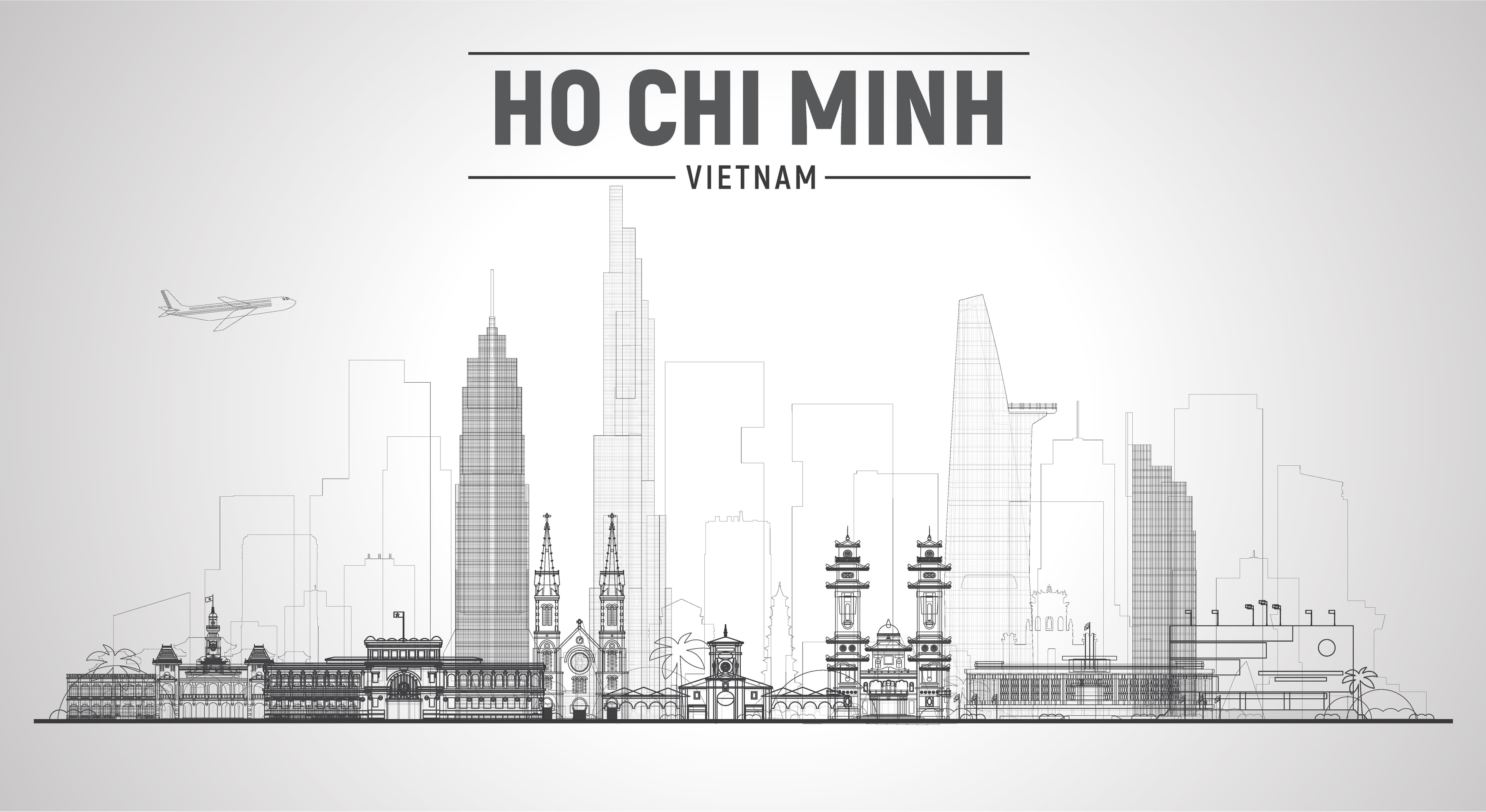
Each of these locations offers a slightly different lifestyle.
For example:
Ho Chi Minh City is the country’s largest and most international city, offering excellent restaurants, private hospitals and international schools.
Hanoi, the capital, provides a vibrant cultural scene with historic architecture and a strong arts community.
Da Nang has become a favourite among retirees thanks to its relaxed atmosphere, modern infrastructure and easy access to beaches.
Hoi An appeals to those seeking a quieter and more charming environment, with its famous lantern-lit streets and historic architecture.
For retirees planning a move, it is often sensible to visit several cities before choosing a permanent base. Spending a few weeks in each location allows you to experience the pace of life, climate and local community first-hand.
2. Social Clubs and Community Groups
Once settled, many expats quickly discover that Vietnam offers a wide range of social groups and community activities designed specifically for international residents.
These organisations provide an excellent way to meet people and establish a social circle soon after arriving.
Common expat activities include:
Weekly coffee meet-ups
Walking and cycling groups
Language exchange clubs
Book clubs and hobby groups
Charity and volunteer organisations
In cities such as Da Nang and Ho Chi Minh City, expats frequently organise social gatherings through community groups and online platforms. These events may include casual dinners, networking evenings or weekend excursions.
For retirees, these groups can be invaluable during the early months of relocation. They not only provide companionship but also create opportunities to exchange practical advice about everyday life in Vietnam.
3. Online Networks and Support Communities
Modern technology has made it easier than ever for expats to connect with one another before and after relocating.
A large number of Vietnam-based expat communities exist online, particularly on social media platforms and expat forums. These groups often include thousands of members who regularly share advice, recommendations and local insights.

Typical topics discussed in these communities include:
Apartment rental recommendations
Healthcare and insurance providers
Visa updates and immigration guidance
Local restaurant and café suggestions
Buying furniture or household items
Travel ideas within Vietnam
For someone planning retirement abroad, joining these groups before relocating can be extremely useful. They allow prospective expats to ask questions and gain first-hand perspectives from people already living in the country.
After arriving, these same communities often serve as a helpful support network when navigating everyday practical matters.
4. Practical Advice for Settling In
One of the greatest benefits of an established expat community is the ability to learn from those who have already gone through the relocation process.
For instance, long-term expats are often happy to share advice on practical matters such as:
Finding reliable landlords and property agents
Choosing reputable healthcare providers
Opening local bank accounts
Navigating visa renewals and administrative procedures
Understanding local customs and etiquette
This type of informal guidance can save newcomers considerable time and effort.
For example, a retiree who has just arrived in Da Nang might receive recommendations for:
A trustworthy property manager
A reliable motorbike or car rental company
A nearby international clinic
The best local markets for fresh produce
Having access to this shared knowledge can make settling into daily life much less stressful.
5. A Balanced Lifestyle Between Expat and Local Culture
Another important advantage of Vietnam’s expat communities is that they rarely exist in isolation. Instead, many international residents enjoy a balanced lifestyle that blends both expat social circles and local Vietnamese culture.
Retirees often find themselves participating in a mixture of activities, such as:
Socialising with other expats at cafés and restaurants
Learning basic Vietnamese phrases
Visiting local markets and neighbourhood shops
Attending cultural festivals and celebrations
This balance allows newcomers to enjoy the comfort of familiar social networks while still immersing themselves in the local culture.
For many retirees, this combination creates a particularly rewarding lifestyle. They gain the benefits of living abroad without feeling disconnected from the wider community.
Improving Healthcare Standards
Healthcare is naturally one of the most important considerations when choosing a retirement destination abroad. While lifestyle and cost of living may initially attract retirees to a country, access to reliable medical care ultimately plays a decisive role in long-term planning.
Below are several factors that illustrate how Vietnam’s healthcare landscape is evolving and why it can meet the needs of many expat retirees.
1. Modern Private Hospitals in Major Cities
While Vietnam has a public healthcare system, most expats prefer to use private medical facilities. Private hospitals generally offer shorter waiting times, English-speaking staff and more modern equipment.
Major cities such as Hanoi, Ho Chi Minh City and Da Nang now host a growing number of high-quality international hospitals and clinics. These facilities often collaborate with overseas medical institutions and employ doctors who have trained in Europe, Australia or North America.

Typical services available at private hospitals include:
General practitioner consultations
Specialist appointments
Diagnostic imaging (such as MRI and CT scans)
Outpatient procedures
Emergency treatment
Preventative health screenings
Many hospitals also provide international patient services, meaning English-speaking staff are available to assist with appointments, insurance documentation and medical explanations.
For retirees, this level of service can make healthcare experiences significantly more comfortable and accessible.
2. Affordable Medical Costs Compared with the UK
One of the advantages of living in Vietnam is that private healthcare remains far more affordable than private treatment in the UK or many Western countries.
For example, typical private medical costs may include:
GP consultation: £15–£40
Specialist consultation: £40–£80
Blood tests or diagnostics: often under £100
Comprehensive health screening packages: £150–£400
Even more advanced procedures can cost a fraction of Western prices.
This affordability means retirees often have greater flexibility in accessing preventative care, such as routine health checks and specialist consultations, which can contribute to better long-term health management.
However, while individual medical visits are relatively inexpensive, serious medical treatment can still be costly. For this reason, most expats choose to maintain comprehensive health insurance to ensure coverage for major procedures or hospital stays.
3. Access to International Health Insurance
International health insurance plays a central role in healthcare planning for retirees living abroad.
Most expats living in Vietnam purchase private insurance policies that provide access to the country’s best hospitals as well as medical facilities across the wider region. These policies typically cost between £80 and £200 per month, depending on several factors.

Key variables affecting premiums include:
Age of the policyholder
Existing medical conditions
Coverage limits
Geographic coverage (regional vs global)
Inclusion of emergency evacuation services
A comprehensive policy often provides access to:
Private hospitals and specialist clinics
Advanced diagnostic services
Emergency medical treatment
Hospital stays and surgical procedures
Medical evacuation to neighbouring countries if necessary
For example, in rare cases where extremely specialised treatment is required, patients may be transferred to hospitals in regional medical hubs such as Singapore or Bangkok.
When planning retirement abroad, it is advisable to review insurance policies carefully to ensure they provide the appropriate level of protection for long-term residency.
4. Increasing Number of International Clinics
In addition to major hospitals, Vietnam has seen rapid growth in international clinics and specialised medical centres. These clinics are often located in expat districts and provide convenient access to everyday healthcare.
Services commonly offered by these clinics include:
General medical consultations
Vaccinations and preventative care
Minor procedures and wound treatment
Dental services
Physiotherapy and rehabilitation
Routine diagnostic testing
Many of these clinics operate with English-speaking doctors and reception staff, which greatly simplifies communication for foreign residents.
For retirees, these clinics often become their first point of contact for non-emergency medical issues, similar to visiting a GP surgery in the UK.
Because appointments are typically easy to arrange and waiting times are short, routine healthcare can be managed efficiently and without unnecessary stress.
5. Regional Medical Hubs Provide Additional Security
Although Vietnam’s healthcare standards have improved substantially, some retirees may feel reassured knowing that world-class medical centres exist within relatively short distances.
Southeast Asia is home to several internationally recognised medical hubs. If a complex procedure or specialised treatment is required, expats can travel to nearby countries where some of Asia’s most advanced hospitals are located.

These regional centres often specialise in areas such as:
Advanced surgery
Oncology treatments
Cardiac care
Orthopaedics
Complex diagnostics
Flights from major Vietnamese cities to regional medical centres are typically between two and three hours, providing additional peace of mind for long-term residents.
In many cases, comprehensive international insurance policies include coverage for medical evacuation or treatment abroad, further strengthening healthcare security for retirees.
Climate and Lifestyle Benefits
For many retirees, climate and lifestyle are just as important as financial considerations when choosing where to live abroad. After decades of working through long British winters and unpredictable weather, it is understandable that many people begin to prioritise sunshine, outdoor living and a more relaxed daily routine.
Below are several aspects of Vietnam’s climate and lifestyle that retirees often find particularly appealing.
1. Warm Weather Throughout the Year
One of the most immediate lifestyle changes for many UK retirees moving to Vietnam is the climate. Unlike the UK, where winters can feel long and grey, Vietnam enjoys warm temperatures for most of the year.
However, it is important to understand that Vietnam’s climate varies across the country due to its long north-to-south geography.

For example:
Northern Vietnam (including Hanoi) experiences four seasons, with cooler winters and warm summers. Winter temperatures may occasionally drop to around 10–15°C, while summer temperatures can reach 30°C or higher.
Central Vietnam (including Da Nang and Hoi An) enjoys warm weather for most of the year, although the region may experience a rainy season between September and November.
Southern Vietnam (including Ho Chi Minh City) has a tropical climate with consistently warm temperatures, typically between 25–35°C year-round.
For retirees, this means it is possible to choose a location that best suits personal comfort preferences. Some individuals enjoy the seasonal variation found in the north, while others prefer the consistently warm climate of southern cities.
In practical terms, the warmer climate allows retirees to spend significantly more time outdoors compared with life in the UK.
2. Outdoor Living Becomes Part of Daily Life
Vietnam’s climate encourages a lifestyle centred around outdoor activities. In many cities, daily routines naturally include time spent outside, whether enjoying a morning coffee on a terrace or taking an evening walk along the river or beach.
Many retirees adopt simple daily habits that contribute to a healthier and more active lifestyle, such as:
Morning walks in parks or along the coastline
Outdoor café visits with friends
Cycling through quieter neighbourhoods
Visiting local markets for fresh produce
Practising activities such as yoga or tai chi in public parks
For example, a typical day for a retiree living in Da Nang might include a morning beach walk, followed by coffee at a nearby café and an afternoon exploring markets or local neighbourhoods.
This type of routine not only promotes physical wellbeing but also encourages a more relaxed pace of life.
3. Opportunities for Sport and Recreation
Retirement often provides the opportunity to rediscover hobbies and activities that busy working lives previously made difficult to pursue. Vietnam offers numerous recreational options that allow retirees to remain active while enjoying the country’s natural beauty.

Popular activities among expats include:
Swimming and beach activities along Vietnam’s extensive coastline
Golf, with several high-quality courses located near major cities
Cycling, particularly in coastal areas and quieter towns
Hiking and nature walks in national parks and mountainous regions
Water sports, including paddleboarding, kayaking and snorkelling
Many of these activities are far more affordable than in the UK. For example, golf in Vietnam can cost £30–£60 per round at well-maintained courses, compared with significantly higher prices at many British clubs.
For retirees who value staying active, these opportunities can contribute to both physical health and social engagement.
Visa and Residency Considerations
While Vietnam offers an attractive lifestyle and relatively low living costs, it is important for prospective retirees to carefully consider visa and residency arrangements before making the move.
Unlike some neighbouring countries in Southeast Asia, Vietnam does not currently operate a dedicated retirement visa programme. However, many expats successfully live in the country for extended periods by using alternative visa options and working with reputable relocation advisers. Understanding these pathways is essential when assessing whether Vietnam is the best retirement destination in Southeast Asia for your long-term plans.
1. Understanding the Current Visa Landscape
Vietnam offers several visa types that allow foreigners to stay in the country for extended periods. Although these visas were not specifically designed for retirees, they are commonly used by expats who wish to live in Vietnam long term.

Some of the most frequently used visa categories include:
Business visas
Investor visas
Work permits and employment visas
Short-term visas with periodic renewals
Each option has different requirements, validity periods and renewal processes. Because regulations can change periodically, it is advisable to confirm current policies with immigration specialists or legal advisers before making firm relocation plans.
Many expats begin by entering Vietnam on a shorter visa while exploring the country and evaluating where they might prefer to live. This approach provides time to understand local regulations before committing to longer-term residency arrangements.
2. Business and Investor Visas
For retirees with financial resources or entrepreneurial interests, business or investor visas are often among the most practical pathways to long-term residency.
An investor visa is typically granted to foreigners who establish or invest in a Vietnamese company. The level of investment required may vary depending on the type of business and local regulations. In return, the visa holder may receive a longer residency period and the ability to remain in the country while their investment remains active.
Similarly, business visas may be issued to individuals involved in commercial activities or partnerships with Vietnamese companies.
Some retirees use these routes by:
Investing in small local businesses
Establishing consulting companies
Partnering with existing enterprises
Running remote or online businesses from Vietnam
Naturally, this approach requires careful planning and professional guidance. Anyone considering this option should seek legal advice to ensure compliance with Vietnamese business regulations and tax requirements.
3. Periodic Visa Renewals
Another approach commonly used by expats is maintaining residency through periodic visa renewals or extensions.
Under this model, individuals remain in Vietnam using visas that require renewal after a certain period. The exact length of these visas can vary, and the renewal process may involve leaving the country briefly or applying through authorised visa agents.

For retirees who prefer flexibility, this option can be quite practical. It allows individuals to maintain residency without committing to a permanent investment or business structure.
However, it is important to consider several practical factors when relying on this approach:
Visa regulations may change over time.
Renewal requirements should always be checked in advance.
Reliable visa agencies can help manage paperwork and administrative processes.
Many long-term expats in Vietnam successfully maintain residency using this method, although it does require occasional administrative attention.
4. Working With Professional Advisers
Given that visa regulations can evolve, working with reputable advisers can significantly simplify the relocation process.
Professional relocation consultants, immigration specialists and legal advisers can assist with matters such as:
Selecting the most appropriate visa category
Preparing documentation for visa applications
Advising on company formation or investment structures
Managing visa renewals and extensions
Navigating local administrative procedures
For retirees planning to relocate permanently, obtaining reliable professional advice can prevent unnecessary complications later on.
It is also sensible to verify that any adviser or visa agent you work with has a strong reputation and proven experience assisting international clients.
5. Considering Tax Residency and Financial Planning
Visa status and residency arrangements can also have implications for tax planning and financial management.

When moving abroad, retirees should carefully consider questions such as:
Whether they will remain tax residents in the UK
How overseas income may be taxed
How pensions and investment withdrawals will be structured
Whether local tax obligations apply in Vietnam
These matters can vary significantly depending on individual circumstances, including how long a person spends in each country and the nature of their financial assets.
As a financial adviser working with expat clients, I often encourage individuals to view relocation through a broader financial planning lens. Visa arrangements are only one part of the overall picture. It is equally important to ensure that pension withdrawals, investment portfolios and tax exposure are structured efficiently when living overseas.
Protecting and Managing Your Wealth Abroad
Relocating abroad can bring significant financial advantages, but it also requires careful planning.
As a financial adviser specialising in wealth management for expat clients, I often help individuals consider key factors such as:
Structuring investment portfolios for international living
Managing currency exposure between sterling and local currencies
Planning pension withdrawals efficiently
Understanding tax residency rules
Consolidating global assets for easier long-term management
Retirement abroad is not simply a lifestyle decision; it is also a strategic financial decision. With the right planning in place, retirees can enjoy the benefits of a lower-cost environment while preserving and growing their wealth.
Is Vietnam the Best Retirement Destination in Southeast Asia?
For many expats, the answer is increasingly yes.
Vietnam combines several advantages that are difficult to find together elsewhere:
Low cost of living
Strong lifestyle appeal
Growing expat communities
Improving healthcare standards
Beautiful and diverse geography
While other Southeast Asian countries certainly offer attractive retirement options, Vietnam often provides one of the best balances between affordability and quality of life.
For UK retirees seeking adventure, comfort and financial sustainability, Vietnam is rapidly becoming one of the region’s most compelling destinations.
Planning Your Retirement in Vietnam
Retirement abroad is an exciting step, but it should always be approached with careful financial planning.
For many individuals I work with, the goal is not simply to retire somewhere cheaper, but to create a lifestyle that allows their wealth to last longer while improving their quality of life.
Vietnam is increasingly demonstrating that it can deliver both.
Get in touch with Benjamin Sharvell IFA today for a free consultation in Vietnam!