

For many UK retirees considering life abroad, Vietnam has increasingly become a compelling option. A combination of low living costs, excellent food, improving healthcare, warm climate, and welcoming communities makes it particularly attractive. From a financial planning perspective, Vietnam also allows retirees to stretch their retirement savings significantly further than they might in the UK.
As a financial adviser who specialises in working with expat clients, I often speak with individuals who are exploring where their retirement funds can provide both security and quality of life.
In this guide, I’ll walk you through the best cities in Vietnam for expats to retire in 2026, highlighting lifestyle, cost considerations, and the types of retirees each location tends to suit best.
Why Vietnam Is Attracting More Retirees
Before exploring the best cities, it’s worth understanding why Vietnam is increasingly appearing on expat retirement lists.
1. Affordable Cost of Living
Compared with the UK, Vietnam's living costs are dramatically lower. A comfortable lifestyle in many Vietnamese cities can often be achieved for £900–£1,500 per month, depending on lifestyle and housing choices.

Typical monthly costs might include:
Modern apartment rental: £350–£800
Dining out regularly: £150–£250
Utilities and internet: £50–£90
Private healthcare insurance: £70–£150
This affordability allows retirees to preserve capital while still enjoying a high quality of life.
2. Growing Expat Communities
Over the past decade, Vietnam has seen a steady rise in international residents. Cities such as Ho Chi Minh City and Da Nang now have thriving expat communities, international schools, western amenities, and modern healthcare facilities.
3. Excellent Food and Lifestyle
Vietnamese cuisine is widely regarded as one of the healthiest in the world. Fresh vegetables, herbs, seafood, and balanced flavours make dining both enjoyable and nutritious. Combined with a slower pace of life in many areas, this can create an appealing retirement lifestyle.
4. Strategic Location for Travel
Vietnam is also well positioned for travel throughout Asia. Retirees often use the country as a base to explore nearby destinations such as Thailand, Singapore, Japan, and Malaysia.
Best Cities in Vietnam for Expats to Retire in 2026
While Vietnam offers many attractive locations, a few cities consistently stand out for expats. Each offers a slightly different lifestyle, so the best choice ultimately depends on your priorities.
1. Ho Chi Minh City – Best for Urban Lifestyle
For retirees who enjoy an energetic environment with modern conveniences, Ho Chi Minh City (formerly Saigon) is often the first place they consider.
Below, I outline the key considerations if you are evaluating Ho Chi Minh City as a potential retirement base.
Why Expats Choose It
One of the primary reasons expats gravitate towards Ho Chi Minh City is the sheer convenience of everyday life. Compared with smaller Vietnamese cities, it offers a far wider range of international services, which can be particularly valuable during the first few years of retirement abroad.

For instance, the city is home to several international hospitals and clinics, including facilities that many expats rely on for routine care, specialist consultations, and preventative health screening. This is often a significant factor for retirees who want reassurance about access to quality medical services.
In addition, Ho Chi Minh City has a large and active expat population. This naturally creates a strong support network through social clubs, sports groups, and professional communities. Many new retirees find this helpful when settling in.
Some practical advantages include:
International supermarkets and imported goods: Shops such as Annam Gourmet Market or international grocery stores carry British and European food products, making it easier to maintain familiar eating habits.
Wide range of restaurants and cafés: The city offers everything from traditional Vietnamese street food to fine dining restaurants and international cuisine.
Strong transport links: Tan Son Nhat International Airport connects the city to major Asian hubs such as Singapore, Bangkok, Hong Kong, and Tokyo, which is convenient for regional travel or visits back to the UK.
Modern residential developments: Many expats live in newly built apartment complexes that include security, swimming pools, gyms, and serviced amenities.
When choosing where to live in Ho Chi Minh City, retirees often focus on a few popular districts:
District 2 (Thao Dien): arguably the most established expat neighbourhood, with international schools, cafés, and modern apartments.
District 7 (Phu My Hung): known for its planned urban layout, wider roads, and quieter environment.
Binh Thanh District: increasingly popular due to modern high-rise developments and proximity to the city centre.
Each area offers a slightly different lifestyle, so spending time exploring them before committing to a lease is advisable.
Typical Costs
Although Ho Chi Minh City is one of the more expensive locations in Vietnam, it remains significantly more affordable than most UK cities. However, costs can vary widely depending on your lifestyle choices, particularly accommodation and dining habits.
For example, many retirees choose to rent a modern serviced apartment in an expat-friendly neighbourhood. These often include amenities such as security, swimming pools, gyms, and underground parking.
Typical rental prices include:
Modern one-bedroom apartment: £600–£750 per month
Larger two-bedroom apartment in a luxury complex: £800–£1,000 per month
Serviced apartment with housekeeping: £900–£1,200 per month
Food costs can also be surprisingly low if you embrace local cuisine. A typical Vietnamese meal at a neighbourhood restaurant may cost as little as £2–£4, while dining in a western restaurant may range from £10–£20 per person.
To give a clearer example, a comfortable monthly budget might look like this:
Example monthly budget for a retiree in Ho Chi Minh City
Rent (modern apartment): £700
Utilities and internet: £70
Groceries: £150
Dining out and cafés: £200
Transport (taxis, ride apps): £80
Healthcare insurance: £120
Leisure and travel: £150
Estimated total: approximately £1,470 per month
Naturally, this can vary depending on lifestyle preferences. Some retirees live comfortably on £1,200 per month, while others may prefer a more luxurious lifestyle closer to £2,000 per month.
From a financial planning standpoint, it is wise to build a modest contingency fund for unexpected expenses such as travel, visa renewals, or private healthcare treatments.
Who It Suits
Ho Chi Minh City tends to appeal to retirees who want an active and socially engaging retirement rather than a quiet coastal lifestyle. The city has an energetic rhythm, and many expats enjoy the sense of activity and opportunity it provides.

In particular, Ho Chi Minh City is well suited to retirees who:
Enjoy city life and social interaction
Want easy access to international healthcare
Prefer convenience and modern infrastructure
Plan to travel frequently within Asia
However, it is also important to recognise that Ho Chi Minh City is a large and busy metropolis. Traffic congestion, humidity, and noise can take some adjustment. For that reason, many retirees spend time visiting the city for extended stays before making a permanent move.
2. Da Nang – Best Balance of City and Beach
If there is one location that repeatedly appears when discussing the best cities in Vietnam for expats to retire, it is Da Nang.
Located in central Vietnam, Da Nang sits between the historic towns of Hoi An and Hue, and it benefits from a well-developed international airport, modern road networks, and a rapidly growing expat community. Compared with Ho Chi Minh City or Hanoi, it feels far more manageable in size, yet it still provides most of the amenities retirees require for comfortable day-to-day living.
Why Expats Love Da Nang
One of the strongest attractions of Da Nang is its balance between urban convenience and natural surroundings. The city sits directly on the coastline and is bordered by mountains, rivers, and beaches, creating a setting that feels far less congested than Vietnam’s larger cities.

Many expats are drawn to My Khe Beach, a long stretch of sandy coastline that runs alongside the city. It is common to see residents walking, cycling, or practising tai chi along the beachfront promenade in the mornings. This active lifestyle is one of the reasons Da Nang is often described as one of the most liveable cities in Vietnam.
Another factor that attracts retirees is the city’s cleaner and more organised environment. Compared with Ho Chi Minh City or Hanoi, Da Nang generally has:
Wider roads and less traffic congestion
Lower noise levels in residential areas
More green spaces and waterfront walking paths
A more relaxed pace of daily life
For expats settling into the city, the An Thuong neighbourhood has become something of an international hub. This area is close to the beach and offers:
Western cafés and bakeries
International restaurants
Co-working spaces and social venues
A growing community of long-term expats
Living near this area can make the transition easier, especially during your first year in Vietnam, as English is widely spoken and the social community is well established.
Additionally, Da Nang has a modern international airport, offering direct flights to several Asian destinations such as Bangkok, Singapore, and Seoul. This makes it convenient for retirees who wish to travel regularly or receive visiting family members from abroad.
Typical Costs
One of the reasons Da Nang is frequently recommended to retirees is its excellent value for money. Living costs remain lower than in Vietnam’s largest cities while still providing access to high-quality housing and amenities.
Accommodation is often the largest expense, but even modern apartments with sea views remain relatively affordable compared with western standards.
Typical rental costs include:
One-bedroom apartment near the beach: £400–£550 per month
Two-bedroom apartment in a modern complex: £600–£700 per month
Serviced apartment with cleaning services: £650–£850 per month
Dining is another area where retirees can benefit from lower costs. For instance:
Local Vietnamese meal: £2–£4
Casual restaurant meal: £6–£10
Western-style restaurant: £12–£20 per person
To give a clearer picture, here is an example monthly budget for a retiree living comfortably in Da Nang.
Example monthly budget in Da Nang
Rent (modern apartment near the beach): £500
Utilities and internet: £60
Groceries: £130
Dining out and cafés: £180
Transport (ride apps, occasional taxis): £60
Private healthcare insurance: £110
Leisure and travel: £150
Estimated monthly total: approximately £1,190
Naturally, this figure can vary depending on lifestyle. Retirees who cook frequently and favour local restaurants may spend less, while those enjoying frequent travel or luxury accommodation may budget closer to £1,500 per month.
From a financial planning standpoint, many expats appreciate that Da Nang allows them to maintain a comfortable lifestyle while preserving more of their retirement capital.
Who It Suits
Da Nang tends to attract retirees who want a balanced lifestyle, somewhere that offers both activity and relaxation without the intensity of a large city.

In particular, the city appeals to individuals who:
Enjoy outdoor living
Prefer a slower pace of life
Want a manageable city size
Value access to nature
Another advantage is Da Nang’s proximity to several cultural destinations. Retirees can easily take short trips to:
Hoi An, a historic lantern-lit town around 30 minutes away
Hue, the former imperial capital roughly two hours north
The Hai Van Pass, one of the most scenic coastal drives in Vietnam
This variety of nearby destinations allows retirees to enjoy both cultural exploration and coastal living.
3. Hoi An – Best for Culture and Charm
Located about 30 minutes from Da Nang, Hoi An offers a very different lifestyle.
Located about 30 minutes south of Da Nang, Hoi An combines historic charm with modern comforts. Its lantern-lit streets, riverside cafés, and historic merchant houses have made it one of Vietnam’s most recognisable destinations. In fact, the town’s Old Town district is recognised as a UNESCO World Heritage Site, reflecting its importance as a historic trading port.
From the perspective of many retirees I speak with, Hoi An provides an appealing alternative to large cities. Life here moves at a noticeably slower rhythm, which can be ideal for those who want their retirement to feel relaxed, sociable, and culturally rich.
Why Expats Choose Hoi An
One of the main reasons expats choose Hoi An is its unique sense of place. While many destinations in Southeast Asia have experienced rapid development, Hoi An has maintained a distinctive character rooted in its centuries-old architecture and cultural traditions.

Walking through the historic centre in the evening, you will see colourful lanterns lighting the streets, small family-run cafés, and local markets operating much as they have for generations. For many retirees, this atmosphere creates a lifestyle that feels far removed from the pace of modern urban life.
Another significant advantage is the town’s strong sense of community. Because Hoi An is smaller than most Vietnamese cities, it is easier to build friendships and social networks. Many expats quickly become familiar faces in local cafés, restaurants, and neighbourhood markets.
The town also has a vibrant creative scene, which attracts artists, writers, and entrepreneurs from around the world. Retirees often find opportunities to participate in community activities such as:
Cooking classes focusing on Vietnamese cuisine
Language exchanges with local residents
Art workshops and photography groups
Volunteer initiatives supporting local charities
Although Hoi An is relatively small, it still offers many modern conveniences. For example:
International restaurants and cafés are widely available
Tailoring and custom clothing are famous local industries
Nearby beaches provide a relaxing coastal escape
The popular beach areas of An Bang Beach and Cua Dai Beach are only a short cycle or taxi ride from the historic centre, allowing residents to combine town living with coastal relaxation.
Another practical advantage is Hoi An’s proximity to Da Nang. If you require larger hospitals, international flights, or major shopping centres, Da Nang is easily accessible within 30–40 minutes by car.
Typical Costs
Hoi An is often slightly more affordable than Da Nang while still offering a comfortable lifestyle. Housing options range from small apartments to traditional-style houses with gardens, which many retirees find appealing.
Typical rental prices include:
One-bedroom apartment: £350–£450 per month
Two-bedroom house or modern apartment: £450–£650 per month
Larger villa with garden or pool: £700–£900 per month
Because the town is relatively compact, transport costs are minimal. Many residents rely primarily on bicycles or short taxi journeys.
Daily living expenses are also quite modest. For example:
Local Vietnamese meal: £2–£3
Casual café lunch: £4–£7
Western-style restaurant dinner: £10–£18
To provide a practical illustration, here is an example monthly budget for a retiree living comfortably in Hoi An.
Example monthly budget in Hoi An
Rent (two-bedroom apartment): £500
Utilities and internet: £60
Groceries: £120
Dining out and cafés: £170
Transport (taxis and occasional car hire): £50
Healthcare insurance: £110
Leisure activities and travel: £150
Estimated monthly total: approximately £1,160
Some retirees live comfortably on less, particularly if they cook frequently and embrace local markets. However, it is sensible to allow some additional flexibility for travel, healthcare, and visa-related costs.
From a financial planning standpoint, Hoi An can allow retirees to maintain a comfortable lifestyle while preserving capital for long-term financial security.
Who It Suits
Hoi An is particularly appealing to retirees who want their daily life to feel relaxed, sociable, and culturally immersive. Rather than the busy energy of a major city, the town offers a more intimate environment where routines develop naturally.

In general, Hoi An tends to suit retirees who:
Prefer a slower pace of life
Appreciate culture and history
Enjoy community interaction
Value proximity to both beach and countryside
A typical day for many retirees might involve a morning bicycle ride through rice fields, coffee at a riverside café, a visit to the local market, and dinner with friends at a small restaurant in the evening.
In addition, Hoi An is well suited to retirees who enjoy creative or personal pursuits. Many residents spend their time writing, painting, learning photography, or studying Vietnamese cooking and culture.
4. Hanoi – Best for Culture and History
Vietnam’s capital city offers a unique blend of tradition and modern development.
Hanoi’s atmosphere is shaped by its long history. Ancient temples, colonial-era architecture, and bustling street markets exist alongside contemporary cafés, art galleries, and international businesses. For many expats, this contrast creates a stimulating environment that makes daily life feel vibrant and engaging.
From a financial planning perspective, Hanoi can also be an attractive option for retirees who want access to modern healthcare, international communities, and cultural experiences while still benefiting from Vietnam’s relatively low cost of living.
Why Retirees Consider Hanoi
One of the most compelling aspects of Hanoi is its deep cultural identity. Unlike newer cities that have grown rapidly in recent decades, Hanoi has evolved over centuries, and this history is visible in its architecture, traditions, and everyday life.
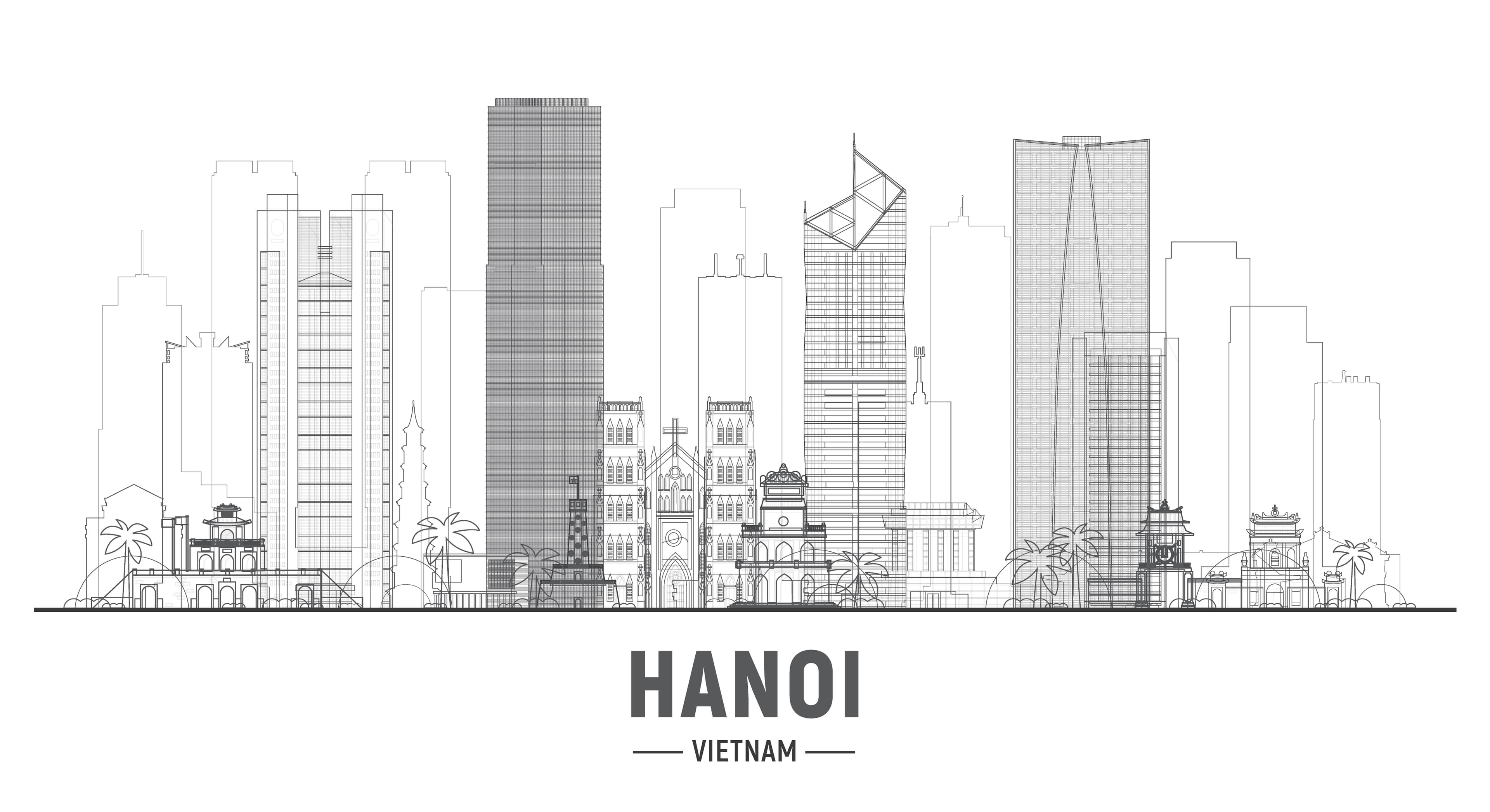
The heart of the city is the Old Quarter, a maze of narrow streets that historically housed different artisan guilds. Even today, many streets still specialise in particular trades, from silk and textiles to metalwork and traditional crafts. For retirees who enjoy exploring historic neighbourhoods, this area provides endless opportunities for discovery.
Another defining feature of Hanoi is its network of lakes and tree-lined boulevards. Areas surrounding Hoan Kiem Lake and West Lake (Tay Ho) offer scenic walking routes, cafés, and cultural attractions. In particular, the West Lake district has become one of the most popular areas for expats due to its calmer atmosphere and abundance of international restaurants.
Retirees who settle in Hanoi often appreciate the wide variety of cultural activities available, including:
Visiting historic temples and pagodas
Attending traditional music or theatre performances
Exploring museums and art galleries
Participating in local festivals and seasonal celebrations
In addition, Hanoi has a thriving café culture. Many residents begin their mornings with Vietnamese coffee at a street-side café while watching daily life unfold. This simple routine is often described by expats as one of the most enjoyable aspects of living in the city.
From a practical perspective, Hanoi also offers several international hospitals and private clinics, as well as convenient air connections through Noi Bai International Airport.
Typical Costs
While Hanoi can be slightly more expensive than smaller Vietnamese cities, it remains significantly more affordable than most European capitals. Housing, food, and everyday services still represent good value compared with the UK.
Accommodation prices depend largely on the district and type of property. Many expats prefer the West Lake area, which offers larger apartments and a quieter environment while remaining close to the city centre.
Typical rental costs include:
One-bedroom apartment: £500–£650 per month
Two-bedroom apartment in a modern building: £700–£900 per month
Luxury serviced apartment: £900–£1,200 per month
Food and dining expenses are also quite manageable. Hanoi is famous for its street food culture, and many local dishes are both delicious and inexpensive.
For example:
Local Vietnamese meal: £2–£4
Casual restaurant meal: £6–£10
Western-style dining: £12–£20 per person
To provide a practical example, here is a typical monthly budget for a retiree living comfortably in Hanoi.
Example monthly budget in Hanoi
Rent (two-bedroom apartment): £750
Utilities and internet: £70
Groceries: £150
Dining out and cafés: £200
Transport (ride apps and taxis): £80
Private healthcare insurance: £120
Leisure activities and travel: £180
Estimated monthly total: approximately £1,550
Of course, actual costs will vary depending on lifestyle. Retirees who dine frequently at international restaurants or travel regularly may spend more, while those who favour local markets and simple living may find their expenses considerably lower.
As with any international retirement plan, it is advisable to maintain a financial buffer for healthcare costs, travel, and potential currency fluctuations affecting sterling income.
Who It Suits
Hanoi tends to attract retirees who appreciate cultural depth, intellectual stimulation, and urban character. The city offers a rich environment for those who enjoy exploring history, cuisine, and local traditions.

In general, Hanoi suits retirees who:
Enjoy cultural exploration
Prefer a lively urban atmosphere
Appreciate seasonal variation
Value an established expat community
For example, a typical day for many retirees in Hanoi might involve a morning walk around West Lake, lunch at a local restaurant serving pho or bun cha, and an afternoon visiting an art gallery or historical site.
5. Nha Trang – Best Coastal Lifestyle
For retirees seeking sunshine and sea views, Nha Trang is another attractive choice.
Compared with major cities such as Ho Chi Minh City or Hanoi, Nha Trang has a more laid-back rhythm. While it is still a functioning city with modern services, daily life tends to revolve around the beach, outdoor activities, and a slower pace. For many retirees, this balance between convenience and leisure is precisely what makes Nha Trang one of the best cities in Vietnam for expats to retire.
From a financial perspective, Nha Trang can also offer good value. Housing costs remain relatively affordable, and the lifestyle naturally encourages simple pleasures such as outdoor dining, seaside walks, and local markets.
Why Expats Move to Nha Trang
One of the most obvious attractions of Nha Trang is its coastal setting. The city sits along a sweeping bay lined with palm trees and a wide promenade that stretches for several kilometres. Residents frequently take advantage of the beach for early morning swims, evening walks, or simply relaxing in the sea breeze.

Unlike some resort destinations that feel seasonal, Nha Trang functions as a genuine city with a stable population and established infrastructure. This means retirees can enjoy beach living while still having access to practical services such as supermarkets, healthcare clinics, and international restaurants.
Another benefit is the city’s abundance of outdoor activities. Nha Trang is particularly well known for water sports and island excursions. Popular activities among expats include:
Snorkelling and scuba diving around nearby coral reefs
Boat trips to surrounding islands in Nha Trang Bay
Paddleboarding or kayaking along the coast
Cycling along coastal roads and nearby countryside
Seafood also plays a major role in the local lifestyle. The city has numerous small restaurants and seafood markets where freshly caught fish, prawns, and shellfish are prepared daily. Dining at these establishments is often both inexpensive and highly social.
In addition, Nha Trang has a number of modern residential developments along the beachfront. Many apartments offer balconies with ocean views, which is a significant attraction for retirees seeking a scenic environment.
Some practical advantages of living in Nha Trang include:
Easy access to beaches and outdoor recreation
Growing expat and digital nomad communities
A variety of cafés, bars, and international restaurants
Convenient access to nearby islands and coastal scenery
Although the expat community is smaller than in cities like Ho Chi Minh City or Da Nang, many retirees appreciate the more intimate and relaxed atmosphere this creates.
Typical Costs
Living in Nha Trang can be quite affordable compared with many international coastal destinations. Rent, food, and everyday expenses remain reasonable, particularly if you embrace local markets and restaurants.
Accommodation options vary from small apartments to beachfront condominiums with sea views.
Typical rental prices include:
One-bedroom apartment: £350–£450 per month
Two-bedroom apartment near the beach: £500–£650 per month
Modern beachfront apartment with sea view: £650–£850 per month
Food and dining costs are also modest. Many retirees mix local eateries with occasional international restaurants.
Typical dining costs include:
Local Vietnamese meal: £2–£4
Casual restaurant meal: £6–£10
Western-style dinner: £12–£18 per person
Here is an example monthly budget illustrating how a retiree might live comfortably in Nha Trang.
Example monthly budget in Nha Trang
Rent (one-bedroom beachfront apartment): £500
Utilities and internet: £60
Groceries: £130
Dining out and cafés: £170
Transport (taxis or scooter hire): £60
Private healthcare insurance: £110
Leisure activities and island trips: £150
Estimated monthly total: approximately £1,180
Naturally, lifestyle choices will influence spending. Retirees who travel frequently or rent luxury apartments may spend closer to £1,400–£1,600 per month, while those living more simply could manage on less.
As always, maintaining an emergency reserve and appropriate insurance coverage is a sensible part of any retirement financial strategy.
Who It Suits
Nha Trang is particularly appealing to retirees who prioritise outdoor living, warm weather, and a relaxed coastal environment. The city’s daily rhythm is centred around the beach and social gatherings rather than business or urban activity.

In general, Nha Trang suits retirees who:
Enjoy beach life and water activities
Prefer a slower and more relaxed pace
Value scenic surroundings
Appreciate affordable seaside living
That said, it is worth noting that Nha Trang has a more limited range of international services than larger Vietnamese cities. While healthcare clinics and private hospitals are available, some retirees choose to travel occasionally to Ho Chi Minh City for specialised medical treatments.
Financial Considerations for Retiring in Vietnam
From my experience advising expats, retirement abroad tends to introduce a number of additional considerations beyond those typically faced in the UK. These include currency risk, healthcare planning, residency regulations, and ensuring that investment portfolios remain appropriately structured for life overseas.
Below are several financial areas that retirees should consider carefully before making the move.
1. Currency and Income Planning
One of the most important financial considerations for UK retirees living abroad is currency exposure. If your pension income or investment withdrawals are paid in pounds sterling while your daily expenses are in Vietnamese dong, fluctuations in exchange rates can directly affect your purchasing power.

For example, if sterling weakens significantly against the Vietnamese currency, the amount of local spending power you receive from your pension could decrease. While Vietnam’s cost of living is relatively low, currency volatility can still have an impact over a long retirement period.
To manage this risk, retirees often take a structured approach to currency planning. Some practical strategies include:
Maintaining a sterling income base: Many UK pensions and investment withdrawals remain denominated in pounds, providing stability and simplicity.
Holding a multi-currency bank account: This allows retirees to transfer funds at favourable exchange rates rather than converting money on fixed schedules.
Staggering currency conversions: Instead of transferring large sums at once, spreading conversions across several months can help reduce exposure to short-term exchange rate fluctuations.
For example, some retirees transfer three to six months of living expenses at a time, rather than converting a full year’s income in a single transaction. This approach helps smooth out currency movements over time.
When planning retirement income, it is also sensible to ensure your investment portfolio produces a sustainable withdrawal strategy, allowing income to last comfortably through your retirement years.
2. Healthcare Planning
Healthcare is another essential consideration when retiring abroad. Although Vietnam’s healthcare system has improved significantly in recent years, many expats rely on private international medical services for routine care and specialist treatments.
Major cities such as Ho Chi Minh City, Hanoi, and Da Nang have reputable international hospitals and clinics that cater to expatriates. However, treatment costs can still vary depending on the level of care required.
For this reason, many retirees choose to purchase international health insurance, which provides coverage for treatment both within Vietnam and in neighbouring countries if necessary.
Typical healthcare planning steps include:
Purchasing comprehensive international health insurance
Choosing a policy that includes hospitalisation, outpatient care, and emergency evacuation
Identifying nearby private hospitals or clinics before relocating
Setting aside an emergency medical fund
Insurance premiums naturally vary depending on age and coverage level, but many retirees pay somewhere in the region of £70 to £150 per month for suitable coverage.
It is also worth considering that some expats choose to travel to nearby medical hubs such as Singapore or Thailand for certain specialist procedures, so having insurance that covers international treatment can be valuable.
3. Residency and Visa Options
Unlike some countries that actively market retirement visas, Vietnam currently does not offer a dedicated long-term retirement visa. As a result, many expats rely on alternative visa arrangements to remain in the country.

Common approaches include:
Business visas connected to local sponsorship
Investor visas linked to small business ownership or investment
Short-term visas with periodic renewals
Because immigration policies can evolve, it is important to keep up to date with the latest regulations before committing to a long-term relocation.
Some practical steps to consider include:
Consulting an immigration specialist or relocation adviser
Understanding visa renewal requirements and timelines
Planning travel schedules around visa renewal periods if necessary
Although this process may sound complex, many long-term expats manage it quite comfortably with the assistance of local visa agents.
4. Investment and Wealth Management
Perhaps the most important aspect of retiring abroad is ensuring that your financial assets continue to support your lifestyle over the long term. Retirement is no longer simply about preserving wealth, it is about managing income, protecting against inflation, and maintaining financial flexibility.
For expats living overseas, investment planning often involves several additional layers of complexity, including cross-border taxation, currency management, and access to suitable investment platforms.
In practice, retirees may benefit from focusing on several key principles:
a. Diversification Across Global Markets
Maintaining a diversified portfolio that includes international equities, bonds, and alternative assets can help protect against volatility and inflation.
b. Sustainable Income Generation
Rather than drawing down investments too aggressively, retirees should aim to establish a sustainable withdrawal rate that supports long-term financial stability.

c. Tax Efficiency
Living abroad may change how investment income and capital gains are taxed. Structuring investments appropriately can help ensure tax efficiency across jurisdictions.
d. Regular Financial Reviews
Retirement planning should remain dynamic. Reviewing investment performance, income requirements, and risk tolerance each year can help ensure your portfolio remains aligned with your long-term goals.
For many expats, working with a financial adviser experienced in international wealth management can provide valuable reassurance that their financial plan remains robust while living overseas.
5. A Practical Approach to Retirement Planning Abroad
Retiring in Vietnam can offer an excellent quality of life at a relatively modest cost. However, the key to enjoying that lifestyle comfortably is careful financial preparation.
Before relocating, it is sensible to review several important areas:
Your long-term retirement income strategy
Investment portfolio diversification and sustainability
Healthcare insurance arrangements
Currency exposure and exchange planning
Visa and residency requirements
By addressing these elements in advance, retirees can move abroad with confidence, knowing their finances are structured to support the lifestyle they have worked hard to achieve.
In my experience working with expat clients, the most successful retirements abroad tend to be those where lifestyle aspirations and financial planning are considered together. With the right strategy in place, destinations such as Vietnam can provide not only affordability but also an exceptionally rewarding retirement experience.
Start Planning Your Retirement in Vietnam
For UK retirees willing to embrace a different pace of life, the best cities in Vietnam for expats to retire provide opportunities to enjoy a comfortable lifestyle while making retirement savings go significantly further.
Having worked extensively with expat clients over the years, I’ve seen first-hand how thoughtful planning can transform retirement from a period of uncertainty into one of genuine freedom.
Get in touch with us to get a free consultation today!