

In recent years, rising living costs in the UK, combined with longer life expectancy and greater global mobility, have prompted many retirees to seriously explore their options overseas. More than 1.3 million British pensioners already receive their pension while living abroad, and the numbers keep growing. If you are weighing up the best countries to retire to from the UK, you are in good company, and you have more choice than ever.
As a globally experienced financial adviser specialising in wealth management for expat clients, I regularly speak with individuals and couples who are weighing up where they can retire comfortably. Having navigated the expat journey myself, I understand both the opportunities and the complexities involved.
This guide explores the best countries to retire to from the UK, taking into account cost of living, healthcare, taxation, visas, lifestyle and post-Brexit considerations. Crucially, it also covers the one factor most destination lists ignore and that can quietly cost you tens of thousands of pounds: whether your UK State Pension keeps rising each year, or is frozen for life. There is no single best destination for everyone. The right choice depends on your financial position, health needs, family circumstances and personal preferences.
If you want the wider view first, our guide on how to retire abroad walks through the process step by step, and if budget is your priority, see the best countries to retire on a budget.
Best Countries to Retire to From the UK at a Glance
This table summarises every destination covered below. Monthly costs are indicative for a comfortable single-person lifestyle and vary by city and lifestyle. The State Pension column shows whether the UK triple-lock increase is still paid to you each year (uprated) or fixed for life (frozen), which we explain in full in the next section.
| Country | Region | Approx. monthly cost | UK State Pension | Main retirement visa route | Best for |
|---|---|---|---|---|---|
| Portugal | S. Europe | £900–£1,150 | Uprated | D7 passive-income visa | Balanced all-rounder, mild climate |
| Spain | S. Europe | £1,050–£1,300 | Uprated | Non-Lucrative Visa | Large British community, sunshine |
| Cyprus | S. Europe | £950–£1,300 | Uprated | Category F / visitor residency | Low 5% pension tax, English widely spoken |
| Greece | S. Europe | Under £1,300 | Uprated | FIP / retirement route | 7% flat tax, island living |
| Italy | S. Europe | Varies by region | Uprated | Elective Residence Visa | 7% southern-region tax, culture |
| France | W. Europe | Varies by region | Uprated | Long-stay visitor visa | Top healthcare, close to home |
| Malta | S. Europe | £1,600–£2,000 | Uprated | Malta Retirement Programme | English-speaking EU, 15% flat tax |
| Vietnam | Asia | £700–£1,000 | Frozen | No retirement visa (long-stay routes) | Lowest costs, active lifestyle |
| Thailand | Asia | £600–£900 | Frozen | O-A / O-X retirement visa | Value plus expat infrastructure |
| Philippines | Asia | £800–£1,100 | Uprated | SRRV retirement visa | English official, easy visa |
| Panama | Americas | £1,000–£1,400 | Frozen | Pensionado programme | Permanent residency, discounts |
| Mexico | Americas | £900–£1,300 | Frozen | Permanent Resident Visa | Culture, healthcare, easy residency |
| Australia | Oceania | £1,450–£1,600 | Frozen | No retirement visa (family/other) | Family ties, high living standards |
| Canada | N. America | ~£1,500 | Frozen | No retirement visa (family/other) | Stability, healthcare (residents) |
For a UK-specific shortlist beyond retirement alone, our guide to the best countries for British expats is a useful companion, and if you are still comparing regions, the best places to retire as an expat covers the global picture.
The Frozen Pension Trap: The Number One Thing to Check Before You Move
Before you fall in love with a destination, check one thing: will your UK State Pension keep rising, or will it freeze? This single decision can be worth tens of thousands of pounds over a retirement, yet most retirees only discover it after they have moved.
The full new State Pension for the 2026/27 tax year is £241.30 per week, roughly £12,548 a year. In the UK it rises every April under the triple lock, the higher of inflation, average earnings growth or 2.5%. That annual increase is only paid abroad if you retire to a country that has a reciprocal social security agreement with the UK.
Where your pension keeps rising (uprated): every EU and EEA country plus Switzerland (this was unaffected by Brexit), and a number of others with agreements, including the United States, the Philippines, Israel, Jamaica and Turkey. So Spain, Portugal, France, Italy, Greece, Cyprus and Malta all uprate your pension, and among the Asian options in this guide, the Philippines does too.
Where your pension is frozen for life: most countries outside the EEA without an agreement, including Australia, Canada, New Zealand, Thailand, Vietnam, Malaysia, Panama, Mexico and South Africa. In these countries your pension is fixed at the rate you first receive it and never increases.
Why it matters so much: a frozen pension is a slow leak. After around 20 years of modest inflation, a frozen pension can be worth little more than half its original value in real terms, and analysts estimate the cumulative loss over a typical retirement can run to tens of thousands of pounds compared with an uprated retiree on the same starting amount. There is no back-pay if you later move to an uprating country, so this needs planning up front.
The practical takeaway is not to avoid frozen countries altogether. Vietnam and Thailand are so affordable that many retirees accept the freeze and simply plan around it with private pensions and investment income. The key is to go in with eyes open and build the shortfall into your plan. That is exactly the kind of modelling I do for clients, and it is why managing your UK pension while living in Vietnam deserves proper attention before you move.
Two more UK-specific points worth acting on early. First, check your State Pension forecast at gov.uk and consider filling gaps in your National Insurance record, though note that from 6 April 2026 voluntary Class 2 contributions for overseas periods are no longer available and Class 3 becomes the main route, so National Insurance for pensioners is worth reviewing. Second, in EU and EEA countries the S1 form can give you state healthcare funded by the UK, a valuable benefit that survived Brexit.
The Best Countries to Retire to from the UK – By Region
Choosing the best country to retire to from the UK is rarely about finding a single “perfect” destination. Instead, it is about identifying the country that best aligns with your financial position, lifestyle preferences and long-term plans.
By looking at retirement destinations by region, it becomes easier to compare costs, healthcare systems, residency options and overall quality of life, allowing you to narrow your choices and focus on the countries that truly suit your individual retirement goals.
Asia: Exceptional Value and Adventure
For UK retirees who are willing to venture further afield, Asia offers some of the best value retirement destinations in the world. Lower living costs, warm climates and a high standard of private healthcare allow pensions and investment income to stretch significantly further than in Europe.
That said, retiring in Asia requires careful planning. For the right individual, however, Asia can deliver an outstanding quality of life at a fraction of UK costs.
For a fuller regional view, see our guide to the best Asian countries for expats.
1. Vietnam
Vietnam is increasingly recognised as one of the best countries to retire to from the UK for active, cost-conscious retirees seeking cultural richness and affordability. While it may not yet have the same scale of expat infrastructure as Thailand, Vietnam’s rapid development and improving healthcare make it an exciting option.

Living costs in Vietnam are among the lowest in Asia, allowing retirees to maintain a high standard of living on a modest income.
Typical monthly expenses include:
Overall living costs of £700–£1,000
Three-bedroom city apartments averaging £600
Utilities around £55 per month
Meals for two at mid-range restaurants for £14–£16
Vietnam offers diverse lifestyle options:
Ho Chi Minh City: bustling city with a great expat community
Da Nang: coastal city with modern amenities and good hospitals
Hoi An: charming, slower-paced town with a strong expat presence
Nha Trang: beach-focused lifestyle
Hanoi: vibrant, cultural and energetic
Residency rules in Vietnam are more restrictive than in some neighbouring countries. At present, there is no dedicated retirement visa, meaning retirees often rely on long-term tourist visas or business-linked residency options. This makes forward planning particularly important. We cover the workarounds in our Vietnam retirement visa guide and the practical Vietnam retirement visa alternatives.
Healthcare has improved significantly, especially in major cities, with international-standard private hospitals now available. Most expats rely entirely on private healthcare and insurance.
UK State Pension status: frozen. Vietnam has no reciprocal agreement, so your State Pension will not rise here. This is a major reason retirees in Vietnam lean on private pensions and investments, and you can read more in our guide to how to retire in Vietnam.
Vietnam is best suited to retirees who:
Enjoy active, culturally rich environments
Are flexible and adaptable
Want maximum value for money in daily living
2. Thailand
Thailand remains one of the most popular Asian destinations for UK retirees, largely due to its affordability, excellent private healthcare and well-established expat communities.
From a cost perspective, Thailand is highly attractive. Many retirees live comfortably on a modest budget while still enjoying domestic help, dining out and regular travel.

Typical monthly costs include:
Comfortable living from £600–£900 per month
City apartment rents of around £200–£350
Meals for two at a mid-range restaurant for approximately £20–£25
Popular retirement locations include:
Chiang Mai – cooler climate, lower costs, strong expat community
Hua Hin – quiet coastal town favoured by retirees
Phuket – island lifestyle with high-quality hospitals
Bangkok – modern infrastructure and top-tier medical facilities
In terms of residency, Thailand offers two primary retirement visa options:
O-A Retirement Visa:
Valid for one year, renewable
Requires minimum income or savings thresholds
O-X Retirement Visa:
Valid for five years
Higher financial requirements but greater long-term stability
Healthcare is entirely private for expat retirees. Thailand’s private hospitals are internationally recognised, but health insurance is mandatory.
Insurance costs typically range from:
£300–£800 annually for local policies
£1,000–£3,000+ per year for international coverage
UK State Pension status: frozen. Thailand is one of the cheapest places to retire, but your pension will not increase. If you are torn between the two most popular value options, our head-to-head on Vietnam vs Thailand for UK retirees compares costs, visas and healthcare side by side.
Thailand suits retirees who:
Want very low living costs
Are comfortable living far from the UK
Value high-quality private healthcare and warm weather
3. Philippines
The Philippines offers a unique advantage for UK retirees: English is an official language, making day-to-day life significantly easier. Combined with low living costs and a friendly culture, it is one of the most accessible Asian destinations for British pensioners.
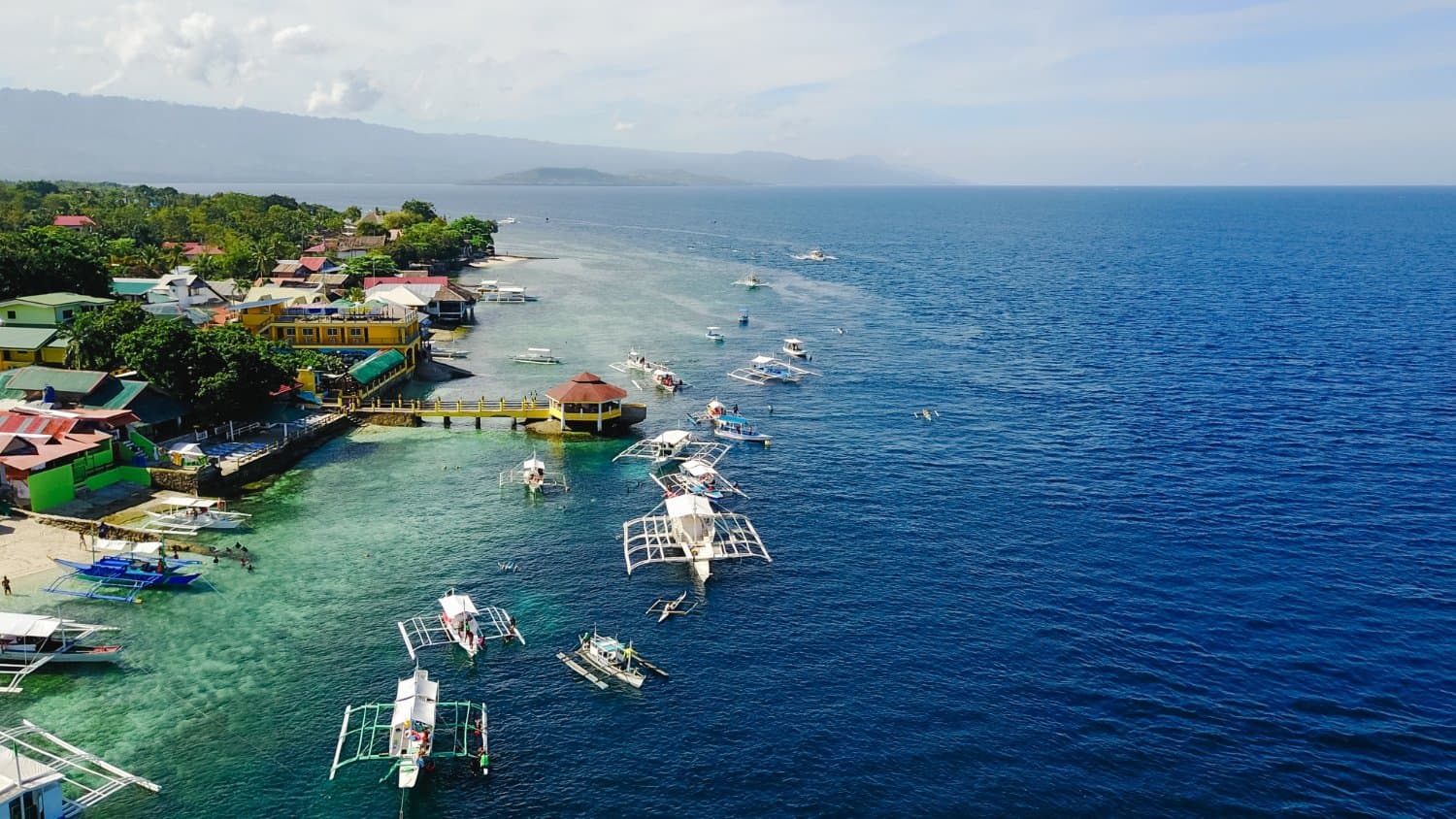
Costs remain highly competitive:
Monthly living costs of £800–£1,100
Three-bedroom apartments in cities averaging £470
Dining out for two costing around £15–£18
The Philippines also stands out for its Special Resident Retiree’s Visa (SRRV), one of the most flexible retirement visas in Asia.
SRRV benefits include:
Long-term residency
Multiple-entry privileges
Exemptions from certain taxes on foreign pensions
Healthcare access is mixed. While public healthcare exists, most retirees prefer private hospitals in major cities such as Cebu or Manila. Private health insurance is strongly recommended.
UK State Pension status: uprated. This is a genuine hidden advantage: unlike Thailand and Vietnam, the Philippines has a reciprocal agreement with the UK, so your State Pension keeps rising each year. For a direct comparison with Vietnam, see Vietnam vs Philippines for UK retirees.
The Philippines is ideal for retirees who:
Want minimal language barriers
Prefer a familiar, Western-friendly culture
Enjoy island and coastal living
Southern Europe: Familiar, Sunny and Close to Home
For many UK retirees, Southern Europe strikes the ideal balance between lifestyle improvement and practical convenience. Short flight times, cultural familiarity, established British expat communities and strong healthcare systems make this region particularly appealing post-Brexit.
A major and often overlooked bonus: every country in this section uprates your UK State Pension and offers S1 healthcare access.
1. Spain
Spain has long been regarded as one of the best countries to retire to from the UK, and its popularity has endured even after Brexit. The combination of a warm climate, relaxed pace of life and relatively low cost of living continues to attract British retirees in large numbers.
From a financial perspective, Spain remains affordable compared to the UK, particularly outside major cities like Madrid and Barcelona. Many retirees choose coastal or regional hubs where living costs are lower and expat networks are well established.

Typical costs and lifestyle considerations include:
Monthly living costs of approximately £1,050–£1,300 for a comfortable lifestyle
One-bedroom apartment rents of £520–£700 in cities such as Valencia or Málaga
Excellent transport links, with frequent low-cost flights back to the UK
However, post-Brexit residency requires careful planning. UK retirees generally apply for the Non-Lucrative Visa, which is designed for those who do not intend to work in Spain.
Key requirements include:
Proof of passive income of at least €2,400 per month (approximately £2,050)
Additional income of around £7,200 per year per dependent
Comprehensive private health insurance
Once resident, retirees can access Spain’s public healthcare system (SNS), although it is not free. Monthly healthcare contributions range from €60 to €157, depending on age. Many retirees supplement this with private insurance, which typically costs £500–£2,000 per year.
UK State Pension status: uprated.
Spain is particularly well suited to retirees who value:
Sunshine and outdoor living
A strong British expat presence
Affordable day-to-day expenses with good infrastructure
2. Portugal
Portugal has become one of the most sought-after retirement destinations in Europe, and for good reason. It consistently ranks highly for safety, quality of life and affordability, while offering a welcoming environment for British retirees.
The cost of living is lower than in much of Western Europe, yet the standard of living remains high. This makes Portugal especially attractive to retirees who want their pensions to stretch further without sacrificing comfort.

Typical costs include:
Monthly living expenses of £900–£1,150
Affordable rents outside Lisbon, particularly in the Algarve, Porto and Madeira
Reasonably priced utilities and groceries compared to the UK
For residency, most UK retirees apply for the D7 Visa, which is designed for individuals with stable passive income such as pensions, rental income or investments.
D7 visa essentials:
Proof of sufficient passive income (aligned to Portuguese minimum wage benchmarks)
Evidence of accommodation in Portugal
Portuguese bank account and tax number
Healthcare is another strong advantage. Once resident, retirees can access Portugal’s Serviço Nacional de Saúde (SNS), which provides low-cost or free public healthcare. Many expats also choose private health insurance to reduce waiting times, with premiums typically ranging from £300 to £1,500 annually.
Note that Portugal's old Non-Habitual Resident tax breaks are now closed to new applicants, so plan on standard tax treatment of pension income and take advice before you move.
UK State Pension status: uprated.
Portugal is well suited to retirees who want:
A calm, outdoor-oriented lifestyle
Predictable healthcare costs
A well-established visa route for non-working retirees
3. Cyprus
Cyprus is frequently ranked the strongest all-round choice for UK pensioners, and it is a notable omission from many retirement guides. It combines an English-friendly environment, a large and long-established British community, sound healthcare and one of the most attractive pension tax regimes in Europe. Retirees can opt to have foreign pension income taxed at a flat 5% rate above a modest tax-free allowance, which is unusually generous.
Living costs are reasonable by Western European standards, with a comfortable lifestyle achievable from around £950 to £1,300 per month outside the priciest coastal spots. UK retirees typically secure residency through Cyprus's income-based routes for financially independent non-EU nationals, showing stable pension or investment income and private cover, with access to the GeSY health system and S1 entitlement once registered. English is very widely spoken, road signs and paperwork are familiar, and direct flights serve Paphos and Larnaca from many UK airports.
UK State Pension status: uprated. Cyprus is ideal for retirees who want strong tax efficiency, EU lifestyle benefits and the comfort of an English-speaking community.
4. France
France appeals to UK retirees who prioritise healthcare quality, culture and proximity to home. While it can be more expensive than Spain or Portugal, costs vary significantly depending on location, with rural France offering excellent value.
Many British retirees choose areas such as Normandy, Brittany or the Dordogne, where property prices are lower and communities are welcoming.

Healthcare is one of France’s strongest advantages. After three months of legal residence, retirees can apply for the Protection Universelle Maladie (PUMA) scheme, granting access to the public healthcare system.
However, it is important to note:
Public healthcare typically reimburses around 70% of medical costs
Most retirees take out additional private “top-up” insurance (mutuelle)
Average combined healthcare insurance costs can exceed £2,200 per year per couple
From a tax perspective, pensions are generally taxed in France, and marginal tax rates can be higher than in the UK. Therefore, pre-move financial planning is particularly important.
UK State Pension status: uprated.
France is ideal for retirees who:
Value top-tier healthcare
Prefer a culturally rich and slower-paced lifestyle
Want easy travel access to the UK
5. Italy
Italy offers a unique blend of lifestyle appeal, historic charm and targeted tax incentives that can make it financially attractive for certain retirees. While major cities such as Milan and Rome are expensive, many retirees opt for regions such as Abruzzo, Puglia or Sicily, where living costs are significantly lower.
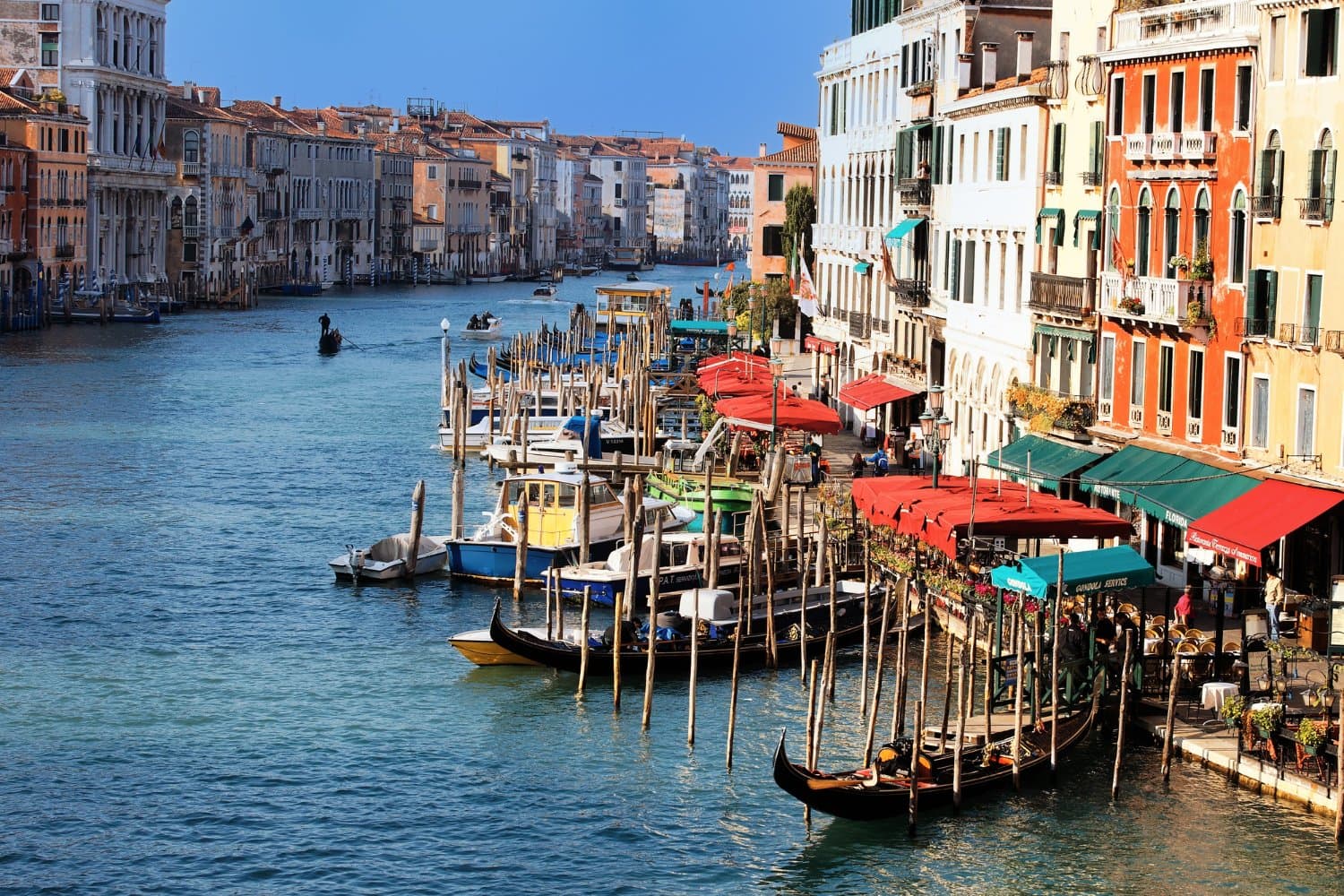
To retire in Italy, UK nationals must apply for the Elective Residence Visa, which is designed for individuals with sufficient passive income.
Income requirements typically include:
Around €31,000 per year for a single applicant
Around €38,000 per year for a couple
Income must be stable, passive and non-employment related
One of Italy’s most attractive features is the 7% flat tax regime for retirees relocating to certain southern regions. This can dramatically simplify tax planning for pension and investment income.
Healthcare is provided through the Servizio Sanitario Regionale (SSR), which is accessible to residents but involves co-payments. Many retirees choose private healthcare alongside public access, with costs varying widely depending on age and coverage.
UK State Pension status: uprated.
Italy suits retirees who:
Appreciate history, food and community life
Have predictable pension income
Want access to targeted tax incentives
6. Greece
Greece has become increasingly popular with UK retirees, particularly since introducing one of Europe’s most favourable tax regimes for foreign retirees.
Those who spend more than 183 days per year in Greece become tax residents and can opt into a 7% flat tax on foreign income, including pensions. This alone makes Greece one of the most tax-efficient options in Southern Europe.

Living costs are generally affordable, especially outside major tourist areas:
Monthly expenses often fall below £1,300
Property rents are modest in mainland regions and less tourist-heavy islands
Healthcare is provided through the ESY public healthcare system, with access available after registration with the National Social Security Fund (EFKA).
Healthcare costs include:
Annual contributions of approximately €250–€650
Optional private insurance starting from around £55–£85 per year, increasing with age
Greece offers several residency routes, including retirement-focused visas and investment-linked options, making it more flexible than many EU countries post-Brexit.
UK State Pension status: uprated.
Greece is particularly suitable for retirees who:
Want strong tax efficiency
Enjoy a relaxed, outdoor Mediterranean lifestyle
Prefer affordable living without sacrificing quality
The Americas: Lifestyle and Residency Benefits
Countries in Central and North America often provide clearer long-term residency pathways for retirees than parts of Europe or Asia, alongside favourable climates, strong healthcare systems and vibrant expat communities.
While travel distance from the UK is greater, many retirees find that the lifestyle benefits, cost savings and residency certainty more than compensate. Careful planning remains essential, particularly around healthcare access, currency exposure and taxation.
Do note that the destinations in this section freeze your UK State Pension, so factor that into your income plan.
1. Panama
Panama is widely regarded as one of the most retiree-friendly countries in the world, largely due to its Pensionado Programme, which actively encourages foreign retirees to settle permanently.
From a lifestyle standpoint, Panama offers a tropical climate, modern infrastructure and easy access to North America and Europe via direct flights. Importantly, the cost of living remains relatively low while healthcare standards are high.

Typical living costs include:
Monthly expenses of approximately £1,000–£1,400
Affordable rental accommodation outside Panama City
Reasonably priced utilities and domestic services
The Pensionado Visa is one of Panama’s strongest attractions.
Key benefits include:
Permanent residency status
Discounts of up to 50% on healthcare, utilities, transport and entertainment
Exemption from tax on foreign-sourced income, including UK pensions
Healthcare access is another major advantage. Retirees can use Panama’s public healthcare system, which is accessible and affordable, or opt for private healthcare, which is high quality by international standards.
Private health insurance costs typically range from:
- £400–£1,000 per year, depending on age and coverage
UK State Pension status: frozen.
Panama is particularly suitable for retirees who:
Want permanent residency with minimal bureaucracy
Value strong healthcare and financial incentives
Prefer a warm climate with urban and coastal options
2. Mexico
Mexico has become an increasingly popular retirement destination for UK citizens, offering cultural richness, diverse climates and excellent private healthcare at a lower cost than the UK.
One of Mexico’s strengths is its variety. Retirees can choose between bustling cities, colonial towns or coastal resorts, each with established expat communities.

Typical costs include:
Monthly living expenses of £900–£1,300
Affordable rents outside major cities
Low-cost domestic travel
Residency is relatively straightforward through the Permanent Resident Visa, which is particularly attractive to retirees.
Visa advantages include:
No need for renewal once granted
Access to public healthcare schemes
No requirement to invest or purchase property
Healthcare in Mexico is a strong draw. Retirees can opt into the public IMSS healthcare scheme, with annual premiums based on age, or choose private healthcare, which many expats prefer.
Healthcare cost examples:
IMSS public healthcare: approx. £350–£900 per year, depending on age
Private health insurance: around £4,800 annually
UK State Pension status: frozen.
Mexico is ideal for retirees who:
Want a mix of affordability and modern healthcare
Enjoy vibrant culture and cuisine
Prefer a structured, long-term residency option
Higher-Cost but High-Security Options
While many UK retirees look abroad to reduce living costs, others prioritise stability, security, healthcare quality and familiarity over affordability. For these individuals, higher-cost destinations can still represent excellent value when measured against quality of life, safety and long-term peace of mind.
Countries in this category typically offer world-class infrastructure, strong legal systems and highly developed healthcare services. However, they also require greater financial preparation, particularly around housing, healthcare and residency eligibility.
1. Malta
Malta continues to be a popular choice for UK retirees who want the reassurance of an English-speaking environment combined with Mediterranean living. English is an official language, the legal system is familiar, and the island has a long-standing British expat community.
Although Malta is more expensive than many Southern European alternatives, it remains cheaper than the UK for many day-to-day expenses, particularly outside prime locations.

Typical costs include:
Monthly living expenses of £1,600–£2,000
One-bedroom apartment rents of £720–£960 depending on location
Utilities averaging £80–£90 per month
Residency options are well established but require careful planning. Many UK retirees use Malta’s Retirement Programme, which is designed specifically for non-EU pensioners.
Key requirements include:
A pension making up at least 75% of annual income
A 15% flat tax rate on pension income remitted to Malta
A minimum annual tax liability equivalent to approximately £6,500
Private health insurance, typically costing £260–£350 per year
Healthcare in Malta is of a high standard, with both public and private facilities widely available. However, free public healthcare is limited to Maltese citizens and EU nationals, meaning private health insurance is essential for UK retirees.
UK State Pension status: uprated.
Malta is particularly suitable for retirees who:
Want an English-speaking country
Value legal and cultural familiarity
Are comfortable with structured residency and tax requirements
2. Australia
Australia has long been an attractive destination for UK retirees, especially for those with family already living there. Cultural familiarity, a shared language and an excellent standard of living make the transition relatively smooth.
However, Australia is one of the most expensive retirement destinations globally and does not currently offer a dedicated retirement visa.
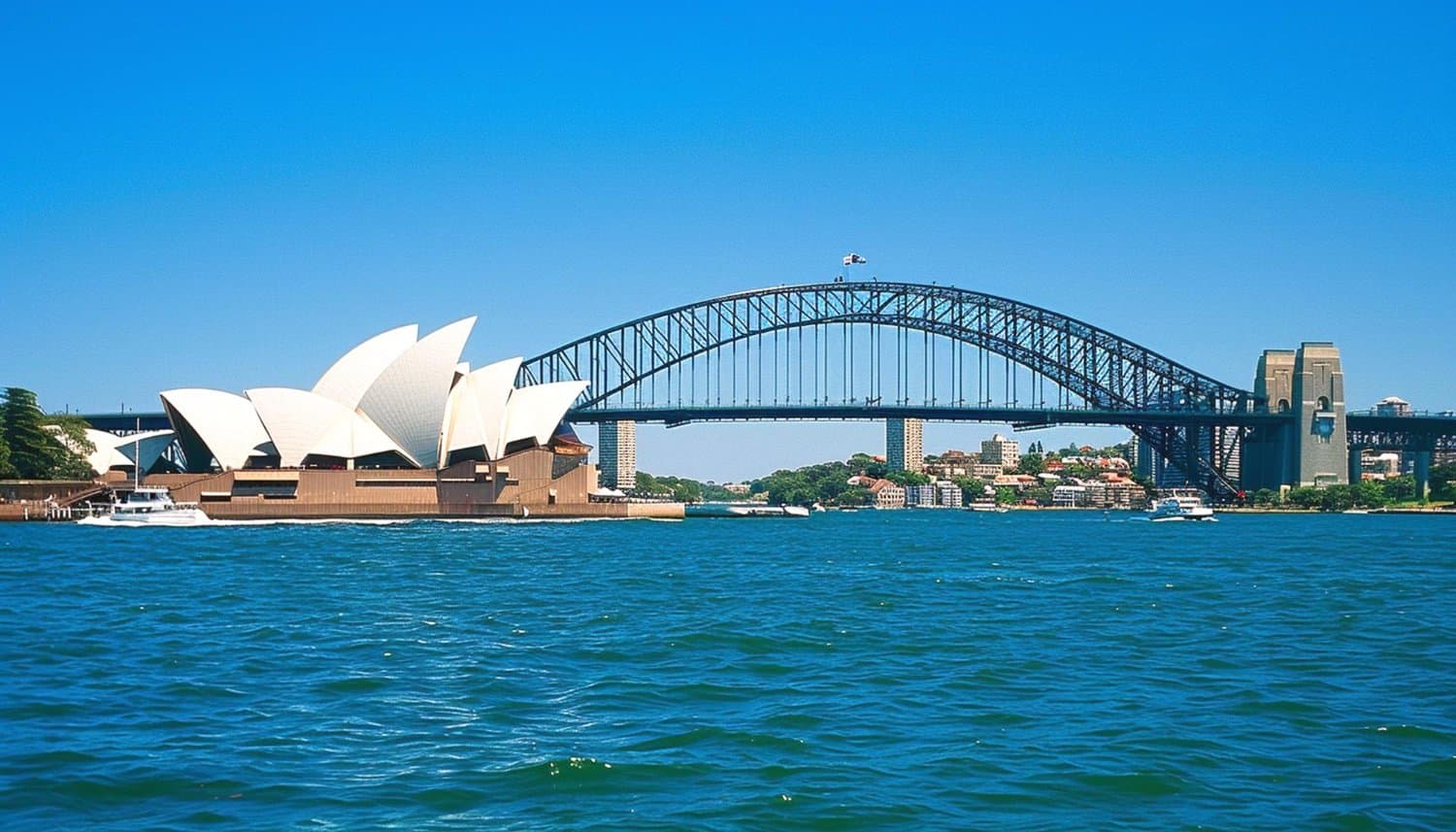
Cost considerations include:
Monthly living costs of around £1,450–£1,600
One-bedroom city-centre rents averaging £1,300 per month
High healthcare and insurance costs without residency
Healthcare in Australia is exceptional, but access to the public Medicare system is limited for non-residents. This means private healthcare insurance is often necessary, adding to overall costs.
Residency pathways are limited and typically involve:
Family sponsorship
Skilled migration (pre-retirement)
Business or investment visas
UK State Pension status: frozen. This is a significant drawback in a high-cost country, because your pension will not keep pace with Australian inflation.
Australia suits retirees who:
Have strong family ties in the country
Possess significant financial resources
Value lifestyle and healthcare quality over affordability
3. Canada
Canada offers one of the highest standards of living in the world, with excellent public services, a stable political environment and outstanding healthcare. For UK retirees, it also benefits from cultural familiarity and an English-speaking population.
However, like Australia, Canada does not offer a traditional retirement visa, making residency planning more complex.

Typical costs include:
Monthly living expenses of approximately £1,500
One-bedroom apartment rents of £1,100 in major cities
Lower housing costs in smaller towns and rural areas
Healthcare is publicly funded and of high quality, but access is limited to residents. This means retirees must first secure permanent residency before benefiting from Canada’s healthcare system.
Residency options generally involve:
Family sponsorship
Business immigration programmes
Provincial Nominee Programmes for entrepreneurs
UK State Pension status: frozen.
Canada is better suited to retirees who:
Have family connections
Are open to relocating before full retirement
Value security, healthcare and long-term stability
Where Can I Emigrate to at 60 From the UK? Retiring Before State Pension Age
Many people want to move abroad in their early sixties, well before the UK State Pension age of 66 (rising to 67). If that is you, two things change. First, you will need to bridge the income gap until your State Pension starts, usually from private or workplace pensions, drawdown, or investment income, so your plan must fund those early years comfortably. Second, most retirement and passive-income visas (Portugal's D7, Spain's Non-Lucrative Visa, the Philippines' SRRV and Panama's Pensionado) accept private pension and investment income, not just the State Pension, which makes them realistic at 60.
The most accessible options for a move at 60 tend to be Portugal, Spain, Cyprus and Greece in Europe, and the Philippines, Thailand and Malaysia further afield, all of which offer clear income-based routes. If you would rather not deal with a visa at all, Ireland is the only country where UK citizens can live indefinitely with no visa, under the Common Travel Area. The key at this age is sequencing your income so early retirement does not drain the pot you will need at 80, which is where cash-flow modelling earns its keep.
Choosing the Right Country for Your Retirement
There is no universal answer to where you should retire. The best countries to retire to from the UK depend on how well your chosen destination aligns with:
Your retirement income and assets
Healthcare needs and insurance costs
Tax efficiency and pension access
Desired lifestyle and proximity to family
From a financial planning perspective, it is vital to model your retirement cash flow in your chosen country, stress-test it against currency movements, inflation and healthcare costs, and ensure your pensions and investments are structured tax-efficiently.
Retirement and Pension Planning for UK Retirees Moving to Vietnam
Retiring to Vietnam can offer excellent value for money and an engaging lifestyle, but it also requires careful financial planning to ensure long-term security. This is particularly important given that Vietnam does not have a state-backed retirement system for expats and most employers do not provide pension benefits.
My role as a financial adviser is to help retirees understand how their existing pensions, investments and savings can be structured to support a sustainable retirement overseas. This includes reviewing UK pensions, assessing how and when benefits can be accessed, and ensuring income remains reliable while living abroad.
For those still building their retirement fund, early and consistent planning can make a significant difference.
To illustrate this, someone starting pension contributions at 25 could potentially invest around £300 per month to achieve a given retirement goal, whereas delaying until 35 could require contributions closer to £800 per month to reach the same outcome. Time, quite simply, is one of the most powerful factors in retirement planning.
For UK nationals retiring to Vietnam, planning typically focuses on:
Understanding how UK state and private pensions will be paid while living abroad
Deciding whether to continue voluntary UK National Insurance contributions
Structuring income to manage currency risk between sterling and local expenses
Reviewing options such as SIPPs for flexibility, control and long-term planning
Ensuring both partners in a household have independent retirement provision
For more experienced investors, Self-Invested Personal Pensions (SIPPs) can offer greater flexibility, particularly for expats. These allow access to a wide range of investments and can be aligned with phased or early retirement plans. Where appropriate, they may also be reviewed in the context of future overseas arrangements.
Ultimately, retiring to Vietnam is not just about lower living costs today, but about ensuring your finances remain resilient for decades to come.
Planning Your Retirement Abroad with Confidence
Retiring abroad can be immensely rewarding, offering improved quality of life, lower living costs and new experiences. However, it also introduces complexity.
As a senior adviser and professional financial planner specialising in expat wealth management, I strongly believe that successful retirement abroad starts with clear planning and informed decision-making.
Get in touch with our team today to get a free consultation!
Frequently Asked Questions
1. What is the best country to retire to from the UK?
There is no single answer, but for UK pensioners who want their State Pension to keep rising, EU destinations such as Portugal, Spain, Cyprus and Greece rank highest on cost, tax and healthcare. For maximum value, Vietnam and Thailand are hard to beat, provided you plan around the frozen State Pension with private income.
2. What is the cheapest country to retire to from the UK?
Thailand and Vietnam are among the cheapest, with comfortable single-person budgets from around £600 to £1,000 a month, though both freeze your UK State Pension. The cheapest options that still uprate your pension are Greece and Cyprus, from roughly £950 a month. See our guide to the best countries to retire on a budget for more.
3. Will my UK State Pension increase if I retire abroad?
Only in countries with a reciprocal social security agreement. Your pension keeps rising in all EU and EEA countries, Switzerland, the United States and the Philippines, among others, but is frozen for life in places such as Australia, Canada, Thailand and Vietnam.
4. Where can I emigrate to at 60 from the UK?
Most passive-income retirement visas, including Portugal's D7, Spain's Non-Lucrative Visa and the Philippines' SRRV, accept private pension and investment income, so a move at 60 is realistic before your State Pension starts. Ireland requires no visa at all under the Common Travel Area.
5. Do I still pay UK tax if I retire abroad?
It depends on your residency status, the type of income and the double taxation agreement between the UK and your new country. Government pensions are often taxed only in the UK, while private pensions may be taxed abroad. This is worth modelling with an adviser before you move.
6. Which country can I retire to from the UK without a visa?
Ireland is the only country where UK citizens can live indefinitely with no visa, thanks to the Common Travel Area. Every other destination requires a long-stay visa or residence permit.