

For many British retirees, Southeast Asia has become one of the most attractive regions in the world to enjoy retirement. Lower living costs, warm climates, excellent food, growing healthcare systems, and welcoming expat communities continue to attract retirees looking for a better quality of life abroad.
Among the most popular destinations, Vietnam and the Philippines stand out for very different reasons. Both countries offer appealing lifestyles, affordable retirement options, and vibrant cultures. However, choosing between them requires careful consideration, particularly when it comes to finances, residency options, healthcare, taxation, infrastructure, and long-term retirement planning.
As an expat myself and a financial adviser working with international clients across Asia, I regularly speak with retirees weighing up this exact decision. While both countries offer genuine opportunities for an enjoyable retirement, the right destination ultimately depends on your priorities, lifestyle expectations, and financial objectives.
In this guide, I will provide a complete comparison of Vietnam vs Philippines for UK retirees to help you make a more informed decision.
Why UK Retirees Are Looking Towards Southeast Asia
Increasing numbers of British retirees are looking towards Southeast Asia for a more affordable and enjoyable retirement lifestyle. Rising living costs in the UK, pressure on pension income, and the desire for warmer climates have made countries such as Vietnam and the Philippines increasingly attractive for expats.

For many retirees, the main appeal is the ability to enjoy a higher quality of life whilst making pension income in pounds sterling stretch considerably further than it would in Britain.
Popular benefits of retiring to Southeast Asia include:
Lower living costs
Warm weather
Affordable healthcare
Modern apartments at lower prices
Active expat communities
Beach and city lifestyle options
Affordable dining and domestic services
For example, retirees with a monthly income of approximately £2,500–£3,500 may often find they can comfortably cover accommodation, healthcare, dining, and leisure expenses whilst still maintaining additional savings.
At the same time, infrastructure and healthcare standards across parts of Southeast Asia have improved significantly in recent years, making long-term retirement abroad increasingly practical for British and European expats.
Among the region’s most popular retirement destinations, Vietnam and the Philippines stand out for their affordability, climate, and lifestyle opportunities, although each offers a very different retirement experience depending on individual priorities.
Vietnam vs Philippines for UK Retirees Comparison Table
If you're a UK retiree choosing between retiring in Vietnam and retiring in the Philippines, both offer a lower cost of living and warm climates, but they suit different retirement styles.
| Category | Vietnam | Philippines |
|---|---|---|
| Retirement Visa | No dedicated retirement visa | Special Resident Retiree's Visa (SRRV) available |
| English Proficiency | Moderate in tourist areas; limited elsewhere | Excellent; English is an official language |
| Cost of Living | Lower overall | Low, but generally 10–20% higher than Vietnam |
| Monthly Budget (comfortable single retiree) | £900–£1,500 | £1,100–£1,700 |
| Healthcare Quality | Good private hospitals in major cities; limited outside large urban areas | Good private hospitals in Manila and Cebu; English-speaking staff |
| Healthcare Costs | Affordable by UK standards | Affordable by UK standards |
| Climate | Tropical; north has cooler winters | Tropical year-round; more humid |
| Expat Community | Growing, especially in Da Nang, Hoi An, and Ho Chi Minh City | Large, well-established expat communities |
| Food | Outstanding cuisine; very inexpensive | Diverse cuisine with Western options widely available |
| Public Transport | Developing; motorbike culture dominates | Limited outside major cities; taxis and ride-hailing common |
| Property Ownership | Foreign ownership restrictions apply | Foreigners cannot own land but can own certain condominiums |
| Best For | Budget-conscious retirees seeking adventure and culture | Retirees prioritising ease of residency and English usage |
Cost of Living: Vietnam vs Philippines for UK Retirees
For most retirees, affordability remains one of the biggest deciding factors.
Vietnam: Exceptional Value for Money
Vietnam consistently ranks among the most affordable countries in Asia for British retirees, particularly when balancing cost against lifestyle quality. One of the country’s strongest advantages is that retirees can enjoy a modern and comfortable lifestyle without needing an exceptionally large pension income. In practical terms, many couples can live well on approximately £1,500–£2,500 per month, while single retirees living more modestly may spend considerably less depending on location and lifestyle choices.
Ho Chi Minh City, for example, offers a level of convenience and infrastructure that surprises many first-time visitors. Modern serviced apartments, international supermarkets, private healthcare facilities, fitness clubs, cafés, and reliable transport options are all widely accessible, yet costs remain significantly lower than in the UK. A modern one-bedroom apartment in a desirable area such as District 2 or District 7 may cost between £500–£900 per month, while similar standards of accommodation in central London would be several times higher.

Daily expenses also remain very manageable. Local Vietnamese meals often cost only £2–£5, whilst dining at international restaurants generally ranges between £10–£25 per person depending on venue and cuisine. Importantly for retirees, Vietnam’s affordable labour market means domestic services such as housekeeping, laundry, food delivery, and private transport remain inexpensive, allowing many retirees to enjoy conveniences that would be considered luxuries back home.
Healthcare costs are another major financial advantage. A consultation at a reputable international clinic may cost approximately £20–£60, while comprehensive annual health insurance for retirees is often substantially cheaper than equivalent cover in Europe. This becomes particularly important for retirees looking to preserve pension income over the long term.

Outside major urban centres, living costs fall further still. Coastal cities such as Da Nang and Nha Trang are increasingly popular among retirees because they combine beach lifestyles with lower accommodation costs and a more relaxed pace of life. In many cases, retirees can rent modern apartments near the sea for under £600 per month whilst still enjoying good infrastructure and access to private healthcare.
From a financial planning perspective, Vietnam also offers retirees an opportunity to stretch pound sterling considerably further. For example, a UK retiree receiving a combined pension income of £3,000 per month may find they can comfortably cover accommodation, dining, healthcare, travel, and leisure activities whilst still retaining surplus income for savings or investment purposes. This level of financial flexibility is one of the key reasons Vietnam continues to attract increasing numbers of British and European expats.
Philippines: Affordable but More Variable
The Philippines also offers relatively affordable retirement living, although costs can vary much more significantly depending on the region and lifestyle expectations. While many retirees are initially attracted by the country’s English-speaking environment and island lifestyle, budgeting carefully is important because certain expenses can become higher than expected, particularly in larger cities or more developed expat areas.
Manila, for instance, can be surprisingly expensive when compared to other Southeast Asian capitals. Traffic congestion, infrastructure challenges, and strong demand for premium accommodation often push prices upwards. A modern one-bedroom apartment in a desirable district may range from approximately £600–£1,100 per month, whilst imported Western groceries, international dining, and private healthcare can quickly increase monthly expenses further.
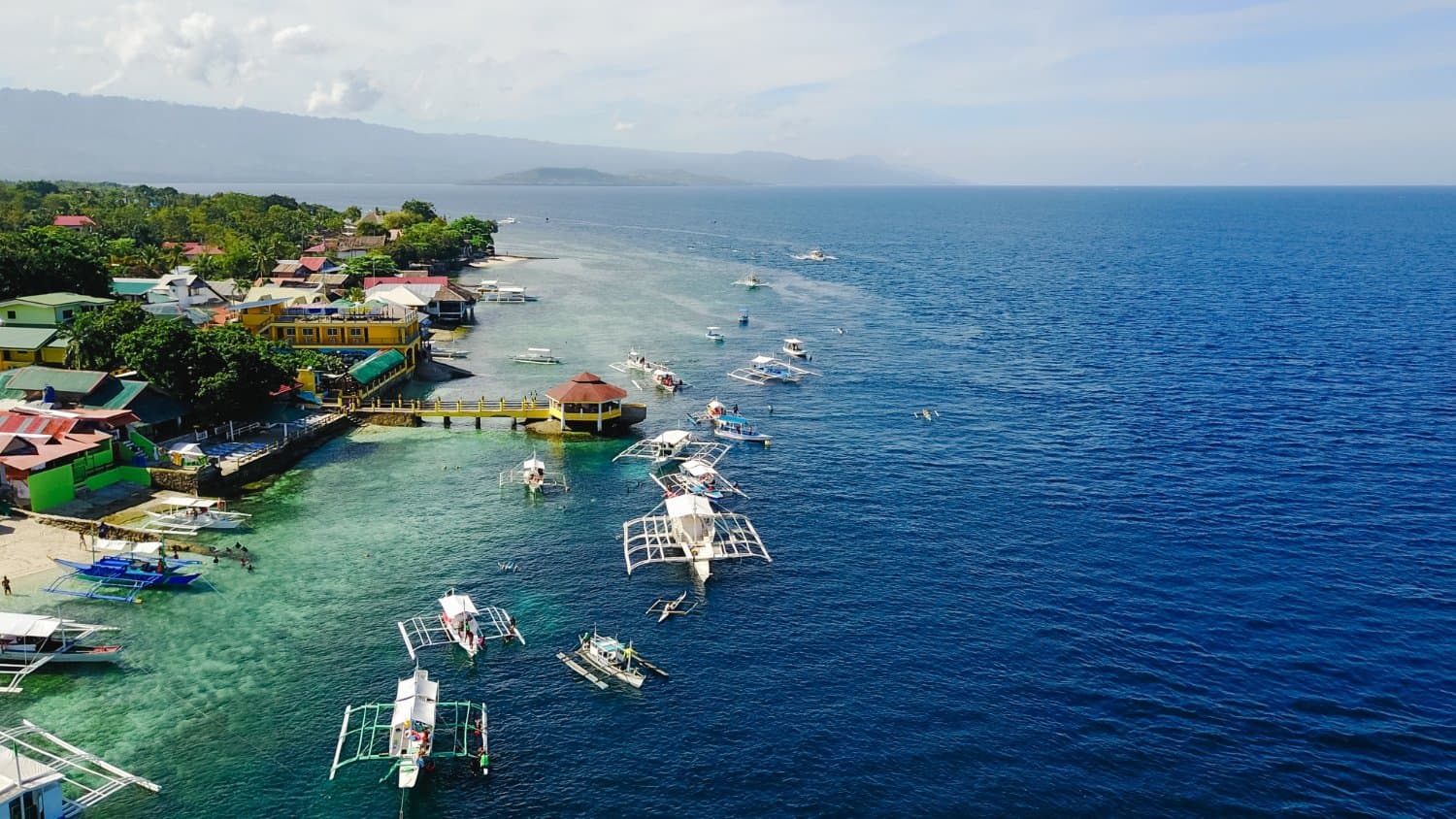
However, retirees who choose locations such as Cebu, Dumaguete, or smaller coastal towns may find substantially better value. These areas remain popular with foreign retirees because they offer a slower pace of life, beach access, and lower housing costs compared to Manila. In some provincial areas, comfortable accommodation can still be found for under £500 per month, although infrastructure standards may vary considerably.
One important factor retirees should account for is utility costs, particularly electricity. Air conditioning is often essential due to the tropical climate, and electricity prices in the Philippines tend to be noticeably higher than in Vietnam. As a result, monthly utility bills for retirees can regularly exceed £150–£200 depending on usage and location.

Healthcare also requires careful consideration. While private hospitals in major cities can provide good standards of care with English-speaking staff, access to specialist treatment becomes more limited outside urban centres. Consequently, many retirees choose to maintain comprehensive international health insurance and budget for occasional travel to larger cities for medical appointments.
For retirees living comfortably in the Philippines, monthly living costs often range between £1,500–£2,500, although lifestyle expectations play a significant role. Retirees seeking island living, imported products, regular travel between islands, or premium accommodation may spend considerably more.
Financially, the Philippines can still provide excellent value compared to the UK, particularly for retirees prioritising English-speaking environments and coastal living. However, compared directly against Vietnam, retirees may find that infrastructure, healthcare value, and overall day-to-day affordability are generally more consistent in Vietnam, particularly within its larger cities.
Residency and Retirement Visas
For many retirees, residency options can ultimately become just as important as cost of living. While both Vietnam and the Philippines welcome foreign residents, their approaches to long-term retirement residency differ quite significantly. Understanding visa structures, renewal requirements, and long-term stability is essential before making any relocation decision, particularly for retirees intending to spend many years abroad.
Vietnam Residency Options
Vietnam does not currently offer a dedicated retirement visa specifically designed for foreign retirees. However, this does not necessarily prevent retirees from living comfortably in the country long term. In practice, many expats successfully establish residency through alternative visa routes, particularly with professional guidance and proper financial planning.
Common long-term residency pathways in Vietnam include:
Investor visas
Business visas
Family sponsorship visas
Temporary residence cards (TRCs)
Employment-sponsored visas
In recent years, Vietnam has steadily modernised its immigration system as foreign investment and international migration continue to grow. While regulations can change periodically, many long-term expats find that Vietnam remains manageable once residency structures are properly established.

For retirees with investment interests or business involvement, investor visas can be particularly attractive. Depending on investment level and structure, temporary residence cards may provide residency validity ranging from one to ten years.
Typical government fees and associated costs may include:
E-visa applications: approximately £20–£40
Business visa arrangements: approximately £80–£250 depending on duration and provider
Temporary residence card processing: approximately £100–£300
Legal or visa agent support: varies widely depending on complexity
Importantly, Vietnam’s visa system often rewards retirees who take a long-term and organised approach. Many expats initially arrive on shorter-term visas before transitioning into more stable residency arrangements once they better understand local regulations and opportunities.
Another major advantage is Vietnam’s economic trajectory. As infrastructure, banking systems, healthcare, and foreign investment continue to improve, many retirees feel increasingly confident about building a long-term future in the country. For financially organised retirees willing to structure their affairs correctly, Vietnam can provide both stability and flexibility.
Philippines Retirement Visa Advantages
The Philippines offers one of Southeast Asia’s more established retirement residency programmes through the Special Resident Retiree’s Visa (SRRV). This programme is specifically designed for foreign retirees and is often considered one of the country’s strongest advantages for expats seeking simplicity and long-term residency certainty.
The SRRV provides several appealing benefits, including:
Indefinite residency rights
Multiple-entry privileges
Exemption from regular visa renewals
Ability to open local bank accounts more easily
Eligibility to invest under certain conditions
Access to certain tax and importation benefits
One of the key attractions for British retirees is the relative straightforwardness of the process compared to some neighbouring countries. English being widely spoken also makes administration and paperwork considerably easier for many retirees.
However, retirees should understand that the SRRV programme typically requires a qualifying deposit, which varies depending on age, pension income, and visa category.

Indicative deposit requirements may include:
Approximately £7,000–£15,000 for retirees with qualifying pensions
Higher deposits for applicants without pension income
Additional processing and administrative fees
Retirees should also budget for:
Annual programme fees
Medical examinations
Background checks
Insurance requirements
Legal or consultancy support if required
Although the Philippines offers a more formal retirement visa structure, retirees should still research locations carefully. Infrastructure quality, healthcare access, and security can differ significantly between islands and regions, meaning the ease of obtaining residency does not always translate directly into overall retirement quality.
From a purely immigration perspective, however, the Philippines remains one of the more accessible options in Southeast Asia for retirees seeking a clearly defined long-term visa pathway.
Healthcare Comparison
Healthcare is one of the most important considerations for any retiree relocating abroad. While cost of living and lifestyle often attract initial interest, long-term peace of mind frequently depends on access to reliable medical care, quality hospitals, specialist treatment, and affordable health insurance. Fortunately, both Vietnam and the Philippines have developed strong private healthcare sectors in recent years, although there are still meaningful differences between the two countries.
Vietnam Healthcare
Vietnam’s healthcare system has improved remarkably over the past decade, particularly in larger cities such as Ho Chi Minh City, Hanoi, and Da Nang. Significant investment in private healthcare has led to the development of modern international-standard hospitals and clinics that are increasingly popular among expats and affluent locals alike.
For many British retirees, one of Vietnam’s biggest advantages is the balance between quality and affordability. International hospitals often provide high standards of care, modern diagnostic equipment, and well-trained medical staff, yet treatment costs remain substantially lower than in the UK, Singapore, or Hong Kong.

Popular international healthcare providers in Vietnam include:
FV Hospital
Vinmec International Hospital
Family Medical Practice
City International Hospital
Typical private healthcare costs in Vietnam may include:
GP consultation: approximately £20–£60
Specialist consultation: approximately £40–£100
Dental cleaning: approximately £20–£50
MRI scan: approximately £150–£400
Comprehensive annual health screening: approximately £150–£500
For retirees managing ongoing conditions or requiring regular check-ups, these lower treatment costs can make a meaningful difference to long-term retirement budgeting.
International health insurance remains highly recommended, particularly for retirees seeking access to premium hospitals or regional medical evacuation if necessary. However, even without insurance, many day-to-day medical expenses remain manageable compared to Western healthcare systems.
Another important consideration is convenience. In major Vietnamese cities, private clinics are widely available, waiting times are often relatively short, and telemedicine services continue to expand. Ho Chi Minh City in particular has become increasingly attractive for retirees seeking modern healthcare access combined with lower living costs.
That said, healthcare quality becomes less consistent in smaller towns and rural provinces. Retirees planning to live outside major urban centres should carefully assess nearby hospital access before relocating permanently.
Philippines Healthcare
The Philippines also offers a well-developed private healthcare sector, especially in major urban areas such as Manila, Cebu, and Davao. One of the country’s strongest advantages for British retirees is the widespread use of English within the healthcare system, which naturally makes communication with doctors, nurses, and specialists much easier.
Many private hospitals in the Philippines provide good standards of care, particularly within larger cities. Medical professionals are generally well trained, and the country has a long history of producing internationally recognised healthcare workers.
Leading private hospitals include:
St. Luke’s Medical Center
Makati Medical Center
The Medical City
Cebu Doctors’ University Hospital

Indicative private healthcare costs in the Philippines may include:
GP consultation: approximately £25–£70
Specialist consultation: approximately £50–£120
Dental cleaning: approximately £25–£60
MRI scan: approximately £200–£500
Private hospital room per night: approximately £80–£250
While costs remain affordable compared to the UK, they are often slightly higher than equivalent services in Vietnam, particularly in premium hospitals catering to expats.
One challenge retirees should consider is regional inconsistency. Healthcare standards can vary substantially between islands and provinces, and specialist treatment options may be limited outside major metropolitan areas. Consequently, retirees living in smaller coastal or island communities may occasionally need to travel domestically for more advanced medical care.
Electricity reliability, transport infrastructure, and emergency response times can also differ significantly depending on location. These are practical considerations that become increasingly important later in retirement.
As with Vietnam, comprehensive international health insurance is strongly recommended for retirees living in the Philippines, particularly for those with pre-existing conditions or ongoing healthcare needs.
Climate and Lifestyle
Lifestyle is often the deciding factor when retirees compare destinations abroad. While financial considerations remain important, retirement is ultimately about day-to-day quality of life — how comfortable, enjoyable, convenient, and fulfilling life feels over the long term. Both Vietnam and the Philippines offer warm climates, welcoming cultures, and attractive lifestyles for British retirees, although the overall experience can differ quite considerably depending on personal preferences.
Vietnam Lifestyle
Vietnam offers an unusually diverse lifestyle for retirees because the country combines energetic modern cities, peaceful coastal regions, mountain retreats, and deeply rooted cultural traditions all within relatively short travel distances. This variety allows many expats to tailor their retirement experience far more precisely to their preferred pace of life.

For retirees who enjoy convenience and urban living, Ho Chi Minh City remains one of Southeast Asia’s most dynamic expat hubs. The city offers:
International restaurants and cafés
Modern shopping centres
High-quality serviced apartments
Growing public infrastructure
Excellent domestic travel connections
Increasingly sophisticated healthcare facilities
Importantly, all of this is available at a considerably lower cost than comparable international cities. Many retirees are pleasantly surprised by how comfortably they can live whilst still maintaining an active social life and regular leisure spending.
For example, a retired couple living comfortably in Ho Chi Minh City may spend approximately:
£700–£1,200 on modern accommodation
£300–£600 on dining and entertainment
£100–£250 on utilities and internet
£150–£400 on healthcare and insurance
£100–£300 on domestic travel and leisure
Meanwhile, retirees seeking a slower pace of life often gravitate towards Da Nang, Nha Trang, or Da Lat. Da Nang in particular has become increasingly popular because it offers a balance between beach living, modern infrastructure, manageable traffic, and lower living costs than Ho Chi Minh City.

Vietnam’s food culture also plays a major role in overall lifestyle quality. Fresh ingredients, healthy cooking, abundant seafood, and affordable dining make it easy for retirees to maintain both an enjoyable and relatively healthy lifestyle. Eating out regularly is not viewed as a luxury in Vietnam in the same way it often is in the UK.
Climate-wise, Vietnam offers more regional variation than many retirees initially expect. Southern Vietnam, including Ho Chi Minh City, remains warm year-round with tropical conditions, while northern regions such as Hanoi experience cooler winters. Central coastal areas often provide a slightly milder climate with sea breezes and less humidity during certain months.
Another major lifestyle advantage is Vietnam’s sense of momentum and development. Infrastructure, transport networks, international amenities, and urban planning continue to improve rapidly. Many retirees appreciate feeling part of a country that is modernising quickly whilst still retaining strong cultural identity and affordability.
Philippines Lifestyle
The Philippines appeals strongly to retirees seeking tropical island living, relaxed coastal communities, and English-speaking environments. With more than 7,000 islands, the country offers exceptional natural beauty, particularly for retirees who prioritise beaches, diving, sailing, or slower-paced retirement lifestyles close to nature.
Many British retirees choose locations such as Cebu, Dumaguete, or Palawan because these areas provide established expat communities and access to coastal living at relatively affordable prices. Compared to Vietnam’s larger urban centres, retirement in the Philippines often feels more relaxed and informal.

Typical monthly lifestyle costs in popular retirement regions may include:
£500–£1,100 for accommodation
£250–£600 for dining and leisure
£150–£250 for utilities, particularly air conditioning
£150–£500 for healthcare and insurance
Additional domestic travel costs between islands
The widespread use of English undoubtedly makes day-to-day life easier for many British retirees. Administrative tasks, medical appointments, social integration, and property arrangements often feel more straightforward due to the lack of language barriers.
However, infrastructure consistency can vary significantly depending on location. While major cities and established expat regions offer modern amenities, retirees living in smaller islands or provincial areas may encounter:
Traffic congestion
Power interruptions
Slower internet speeds
More limited healthcare access
Domestic travel complications during adverse weather

The tropical climate is another important consideration. The Philippines experiences high humidity year-round and is also more exposed to typhoons and seasonal storms than Vietnam, particularly in certain northern and central regions. Retirees should therefore consider climate resilience and insurance planning carefully when selecting a long-term location.
Nevertheless, for retirees prioritising beachfront living and a more laid-back island atmosphere, the Philippines continues to offer a very appealing retirement lifestyle.
Language and Ease of Communication
Language plays a far greater role in retirement abroad than many people initially expect. While holiday travel can often be managed with minimal local language skills, long-term retirement requires regular interaction with healthcare providers, landlords, government offices, banks, service staff, and local communities. As a result, ease of communication can significantly affect both comfort levels and overall quality of life during retirement.
When comparing Vietnam vs Philippines for UK retirees, this is one area where the two countries differ quite noticeably.
Vietnam
Vietnamese is the official language throughout the country, and while English proficiency continues to improve rapidly, communication can still present occasional challenges for retirees, particularly outside major cities and established expat districts.
In larger urban centres such as Ho Chi Minh City, Hanoi, and Da Nang, many younger professionals, hospitality staff, medical providers, and business owners now speak conversational English. International hospitals, modern cafés, property agencies, and expat-oriented services are generally able to assist foreign residents comfortably in English.
Retirees living within expat-friendly areas will often find that daily life can be managed reasonably well with basic English, particularly when using translation applications and local support services. However, routine situations may still require patience and adaptability, including:
Government administration
Banking procedures
Local property arrangements
Utility services
Taxi or transport communication
Smaller local shops and markets

For this reason, many long-term expats eventually choose to learn basic conversational Vietnamese. Even modest efforts to speak the local language often improve day-to-day convenience considerably and can also help retirees integrate more naturally into local communities.
One advantage Vietnam offers is its increasingly international business environment. As foreign investment and tourism continue to expand, English usage is becoming more common each year, particularly among younger generations. This trend is especially noticeable in Ho Chi Minh City, where many international businesses, schools, and service providers now operate routinely in English.
Retirees who are open-minded, adaptable, and willing to embrace cultural differences often settle into life in Vietnam very comfortably despite the initial language adjustment period.
Philippines
The Philippines has one of the strongest English-speaking populations in Asia, which remains a major advantage for British retirees. English is an official language alongside Filipino and is widely spoken throughout the country across business, education, healthcare, and government sectors.
For many retirees, this creates a significantly easier transition into daily life abroad. Tasks that can sometimes feel administratively challenging elsewhere in Southeast Asia — such as opening bank accounts, arranging visas, attending medical appointments, or discussing property matters — are generally more straightforward in the Philippines because communication barriers are minimal.
English is commonly used in:
Hospitals and medical consultations
Government offices
Banking and financial services
Restaurants and hospitality
Property and legal services
Everyday social interaction

This accessibility can provide considerable reassurance, particularly for retirees who may feel less confident adapting to language barriers later in life.
Social integration may also feel easier for some retirees in the Philippines. Conversations with locals often happen naturally, and many expats find they can build friendships and community connections relatively quickly due to the widespread use of English and the country’s strong Western cultural influences.
However, it is worth noting that communication convenience alone does not necessarily outweigh other retirement considerations such as infrastructure, healthcare consistency, cost efficiency, or long-term financial planning. While the Philippines offers exceptional ease of communication, retirees should still carefully assess broader lifestyle and financial factors before making relocation decisions.
Tax Considerations for UK Retirees
Tax planning is one of the most important aspects of retiring abroad. Many British retirees understandably focus on lifestyle, healthcare, and cost of living when choosing a destination, yet poor tax planning can create unnecessary financial complications later on. Pension taxation, residency rules, inheritance planning, and currency exposure all need careful consideration before relocating overseas.
When comparing Vietnam vs Philippines for UK retirees, both countries can offer financial advantages, although the tax implications vary depending on individual residency status, income structure, and long-term retirement objectives.
Importantly, retirees should remember that tax rules can change over time, and professional advice tailored to individual circumstances is essential before making decisions.
Vietnam Taxation
Vietnam’s tax system has become increasingly sophisticated as the country continues integrating into the global economy. For retirees, taxation primarily depends on residency status and the source of income.
Generally speaking, individuals who spend 183 days or more in Vietnam within a 12-month period may be considered Vietnamese tax residents. Tax residents can potentially become liable for tax on worldwide income, although practical application often depends on how income is structured and whether double taxation agreements apply.

For British retirees, this means careful planning is essential when dealing with:
UK pension income
State pension payments
Offshore investments
Rental income
Dividend income
Capital gains
International bank accounts
Vietnam and the United Kingdom currently have a double taxation agreement, which helps reduce the risk of retirees being taxed twice on the same income. However, the interaction between UK tax obligations and Vietnamese tax residency can still become complex depending on the retiree’s circumstances.
Retirees should also consider that Vietnam’s banking and reporting systems are becoming more internationally connected and transparent. Proper declaration and structuring of overseas income therefore becomes increasingly important for long-term compliance and financial stability.

One advantage for many retirees is that Vietnam’s relatively low cost of living can significantly reduce overall retirement expenditure. For example, a retiree receiving:
£2,500 per month from pensions and investments
£500–£1,000 additional passive income
Moderate investment growth over time
may find that they can comfortably maintain their desired lifestyle whilst still preserving or growing capital more efficiently than in the UK.
Additionally, because living expenses remain comparatively low, retirees may be able to adopt more tax-efficient withdrawal strategies from pensions and investment portfolios rather than drawing unnecessarily large amounts each year.
Currency management also becomes increasingly important. Retirees receiving income in pounds sterling but spending primarily in Vietnamese dong should monitor exchange rate movements carefully, particularly during periods of market volatility.
Philippines Taxation
The Philippines applies a different approach to taxation depending on residency classification and income source. In many cases, foreign retirees are only taxed on income sourced within the Philippines, which can appear attractive for retirees relying primarily on overseas pensions or investment income.
However, the practical application of tax residency rules can still become complicated, especially for retirees with multiple income streams, international investments, or business interests abroad.

Retirees living in the Philippines should carefully review potential implications relating to:
UK state and private pensions
Overseas investment portfolios
Property income
Offshore banking arrangements
Inheritance planning
Long-term residency classification
One reason many retirees initially find the Philippines appealing is that certain foreign-sourced retirement income may receive relatively favourable treatment depending on residency structure and tax interpretation. However, relying purely on general assumptions without professional advice can create problems later, particularly as international financial reporting standards continue tightening globally.

Retirees should also account for additional financial considerations beyond taxation itself, including:
Currency exchange fluctuations
International transfer costs
Healthcare funding
Insurance premiums
Estate planning across jurisdictions
In practical terms, retirees living comfortably in the Philippines may require approximately:
£1,500–£2,500 per month for regular living expenses
Additional healthcare and insurance reserves
Emergency travel or contingency funds
Long-term investment planning for inflation protection
As with Vietnam, proper financial structuring before relocation can often create significant long-term benefits and reduce unnecessary tax exposure.
Property Ownership and Investment
For many retirees, property forms an important part of long-term retirement planning abroad. Some retirees prefer to rent initially for flexibility, while others eventually consider purchasing property either as a residence, an investment opportunity, or part of a broader wealth preservation strategy.
However, property ownership rules across Southeast Asia can differ substantially from those in the UK. As a result, retirees comparing Vietnam vs Philippines for UK retirees should carefully understand not only purchase costs, but also legal ownership structures, long-term market potential, financing availability, and associated risks before making commitments.
In practice, many expats benefit from renting first before considering any property purchase. This allows retirees to better understand local neighbourhoods, infrastructure quality, climate preferences, and lifestyle suitability before committing capital.
Vietnam Property Market
Vietnam’s property market has experienced significant growth over the past two decades, driven by rapid urbanisation, foreign investment, expanding infrastructure, and a growing middle class. Cities such as Ho Chi Minh City, Hanoi, and Da Nang have seen substantial residential and commercial development, with modern condominium projects increasingly catering to both local professionals and foreign buyers.
Foreigners are permitted to purchase certain leasehold condominium properties in approved developments, typically under long-term lease structures. While foreigners cannot directly own land in the same way as Vietnamese citizens, many expats still find Vietnam’s property market attractive due to its growth potential and relatively accessible pricing compared to other major Asian cities.

Indicative condominium prices in Vietnam may include:
Ho Chi Minh City modern apartment: approximately £80,000–£250,000+
Da Nang coastal apartments: approximately £60,000–£180,000
Luxury international developments: considerably higher depending on location
Rental yields in well-located urban areas can also remain relatively attractive, particularly in districts with strong expat demand. For retirees who may not wish to purchase immediately, rental markets are generally well developed and affordable.
Typical monthly rental costs include:
Modern one-bedroom apartment in Ho Chi Minh City: approximately £500–£900
Mid-range apartment in Da Nang: approximately £350–£700
Serviced apartments with amenities: approximately £800–£1,500+

One of Vietnam’s strongest advantages is its broader economic trajectory. Ongoing investment in transport infrastructure, international business development, tourism, and manufacturing continues to support long-term urban growth. Many retirees and investors view Vietnam not simply as a retirement destination, but also as a country with substantial long-term economic potential.
That said, Vietnam’s property market requires careful due diligence. Legal structures, developer quality, ownership limits, and regulatory changes all need proper review before purchasing. Working with reputable legal advisers and experienced property professionals is essential.
Financing options for foreigners can also be more limited than in the UK, meaning many expat buyers purchase property outright or utilise offshore financing arrangements.
Philippines Property Ownership
The Philippines also attracts retirees interested in overseas property ownership, particularly within coastal and island regions popular with expats. Similar to Vietnam, foreigners cannot directly own land in the Philippines. However, foreign nationals are generally permitted to own condominium units provided foreign ownership within the building does not exceed legal thresholds.
For many British retirees, the Philippines’ property market feels somewhat more familiar due to the widespread use of English and the country’s stronger Western influence. Property transactions, legal documentation, and developer communications may therefore feel easier to navigate initially.

Indicative condominium prices in the Philippines may include:
Manila condominiums: approximately £90,000–£300,000+
Cebu condominiums: approximately £70,000–£200,000
Resort and beachfront developments: highly variable depending on location
Rental costs can also vary significantly depending on infrastructure quality and location:
One-bedroom apartment in Manila: approximately £600–£1,100
Cebu or provincial city apartment: approximately £400–£800
Beachfront or resort properties: considerably higher

The Philippines naturally appeals to retirees prioritising island lifestyles, beachfront living, and established expat retirement communities. Areas such as Cebu and Dumaguete remain especially popular among foreign retirees seeking slower-paced coastal living.
However, retirees should also consider infrastructure consistency carefully before purchasing property. Factors such as transport reliability, flood risk, healthcare proximity, electricity stability, and internet quality can vary significantly between islands and provinces.
Property appreciation potential may also differ more widely between locations compared to Vietnam’s rapidly expanding urban centres.
As with Vietnam, proper legal advice is essential before purchasing property in the Philippines, particularly regarding ownership structures, inheritance planning, and long-term residency implications.
Renting vs Buying for Retirees
For many retirees relocating to Southeast Asia, renting initially remains the most sensible approach. Even financially secure retirees often benefit from spending at least 12–24 months experiencing local life before committing to a property purchase.
Renting offers several advantages:
Greater flexibility
Easier relocation if preferences change
Lower upfront capital commitment
Reduced exposure to legal and regulatory risks
Time to understand local markets properly
This is especially important because retirement priorities can evolve over time. Some retirees initially prefer city living before later transitioning towards quieter coastal regions, whilst others discover that healthcare access and infrastructure become more important than scenery alone.
Final Verdict: Vietnam vs Philippines for UK Retirees
When comparing Vietnam vs Philippines for UK retirees, both countries offer appealing retirement opportunities, but they cater to slightly different lifestyles.
Choose Vietnam if you value:
Better value for money
Modern and improving infrastructure
Strong economic growth
Excellent food and city living
Greater long-term investment potential
High-quality private healthcare
Safety and stability
Choose the Philippines if you prioritise:
English-speaking convenience
Easier retirement visa pathways
Island and beach lifestyles
More familiar Western influences
From my professional and personal perspective as an expat adviser based in Vietnam, I believe Vietnam currently offers one of the strongest overall propositions for retirees seeking affordability, quality of life, and long-term financial efficiency in Asia.
Its combination of low living costs, rapidly improving infrastructure, healthcare development, and economic growth creates an increasingly attractive environment for expats looking to maximise their retirement years abroad.
How Benjamin Sharvell Can Help UK Retirees Moving Abroad to Vietnam
Relocating overseas is not only a lifestyle decision, it is also a significant financial one. From pensions and tax planning to healthcare costs and currency management, retiring abroad requires careful long-term planning to avoid unnecessary financial risks.
As a globally experienced financial adviser specialising in wealth management for expat clients based in Ho Chi Minh City, Vietnam, I help British and European retirees structure their finances efficiently whilst living overseas.
As an expat myself, I understand the unique opportunities and challenges that come with international retirement and focus on creating practical, personalised strategies tailored to each client’s goals.
My services include:
Retirement and pension planning
UK pension reviews, SIPPs, QROPS, and international pension solutions
Savings and investment strategies
Offshore banking and foreign exchange guidance
International property and mortgage considerations
Health and life insurance planning
Succession and long-term wealth planning
Contact our team today for a free consultation!