

Relocating abroad is one of the most significant financial and lifestyle decisions you can make. As an expat myself and as someone who advises clients globally on wealth management, I understand the balance required between affordability, quality of life, and long-term financial planning.
If you are considering a move in 2026, this guide to the best places to live as an expat will help you evaluate destinations not just by lifestyle appeal, but by how well they support your financial goals. For UK-based readers in particular, I’ve included approximate costs in pound sterling (£) to provide clearer context.
1. Vietnam
Vietnam continues to position itself as one of the best places to live as an expat in 2026, particularly for UK nationals seeking a meaningful improvement in both lifestyle and financial efficiency. What sets Vietnam apart is not simply its low cost of living, but how far your money can go without sacrificing comfort, convenience, or opportunity.

To begin with, the best cities in Vietnam for expats such as Ho Chi Minh City and Hanoi offer two distinct yet equally attractive expat experiences. Ho Chi Minh City is fast-paced and commercially driven, making it ideal for professionals and entrepreneurs, whereas Hanoi provides a more traditional atmosphere with a slightly lower cost base. Consequently, your choice should align with both your career ambitions and preferred lifestyle.
Cost of Living: What Your Money Actually Gets You
From a financial planning perspective, Vietnam's cost of living allows you to significantly reduce monthly expenditure while maintaining a high standard of living. For example:
Monthly budget (comfortable lifestyle): £700–£1,200
Modern one-bedroom apartment: £300–£700
Dining out regularly: £2–£10 per meal locally
Private healthcare insurance: from approximately £30–£80 per month
In practical terms, this means a UK expat earning even a modest remote income can comfortably cover expenses while still allocating a meaningful portion, often 30–50%, towards savings or investments.
Lifestyle and Quality of Life
Beyond affordability, Vietnam offers a dynamic and engaging lifestyle. The food culture is exceptional, transport is accessible, and the social environment is welcoming to foreigners. Moreover, the rapid pace of development means infrastructure continues to improve year-on-year.

Expats often find value in:
A vibrant café culture ideal for remote work
Access to domestic travel (beaches, mountains, countryside) at low cost
A growing international community, particularly in major cities
A strong balance between work and leisure
For instance, it is entirely feasible to spend weekdays working in a modern co-working space in Ho Chi Minh City, and then take a short, low-cost flight to coastal destinations for the weekend.
Practical Steps to Relocating
If you are considering Vietnam, it is important to approach the move methodically. Based on my experience advising expat clients, I recommend the following structured approach:
- Secure your visa strategy early
Vietnam offers several visa pathways, including business visas and emerging long-term residency options. However, regulations can evolve, so professional guidance is advisable.
- Choose accommodation strategically
Short-term: Begin with a serviced apartment for flexibility
Long-term: Negotiate directly with landlords for better rates
Focus areas: District 2 in Ho Chi Minh City or Tay Ho in Hanoi are popular with expats

- Set up your financial structure
Maintain a UK account for income and investments
Open a local Vietnamese bank account for daily expenses
Be mindful of currency exchange fluctuations between GBP and VND
- Arrange healthcare cover
While Vietnam has improving medical facilities, private international healthcare is strongly recommended for expats.
Financial Planning Considerations
What makes Vietnam particularly compelling from a wealth management perspective is the opportunity to optimise your savings rate without compromising lifestyle. Lower living costs can allow you to:
Increase contributions to investment portfolios
Build an emergency fund more rapidly
Explore international diversification strategies
For example, a client relocating from London with monthly expenses of £3,000 could reduce this to approximately £1,000 in Vietnam. The £2,000 difference, if invested consistently, can materially improve long-term financial outcomes.
2. Portugal
Portugal remains one of the best places to live as an expat, particularly for UK nationals who wish to stay within Europe while enjoying a more relaxed pace of life.
What makes Portugal especially appealing is the balance it strikes between affordability, climate, infrastructure, and cultural familiarity. In many respects, it offers a softer transition for those relocating from the UK, while still delivering meaningful lifestyle and financial benefits.
Cities such as Lisbon and Porto continue to attract expats, although smaller locations like the Algarve region are equally worth considering depending on your priorities. Lisbon, for instance, provides a cosmopolitan environment with strong career opportunities, whereas Porto offers a slightly lower cost base with a more traditional charm.

Cost of Living: What to Expect in Practice
Although Portugal is no longer the bargain it once was, it remains relatively affordable compared to the UK, particularly when measured against London and the South East. That said, costs can vary significantly depending on location and lifestyle choices.
Monthly budget (comfortable lifestyle): £1,200–£1,800
Rent (one-bedroom apartment): £600–£1,200 (higher in central Lisbon)
Utilities and internet: £100–£150
Dining out: £10–£25 per person at mid-range restaurants
To illustrate, a couple relocating from London could reduce their monthly living costs from approximately £3,500 to around £1,800–£2,200 in Portugal, depending on accommodation choices. This difference, while not as dramatic as in Southeast Asia, still creates meaningful room for savings and investment.
However, it is important to plan carefully. Rental demand in Lisbon has increased considerably, so I often advise clients to:
Start with short-term accommodation before committing long-term
Explore areas just outside city centres for better value
Budget conservatively during the first 3–6 months
Lifestyle and Quality of Life
Where Portugal truly excels is in its overall quality of life. The country offers a combination of excellent healthcare, safety, climate, and cultural richness that is difficult to replicate elsewhere at this price point.
One of the most notable advantages is the pace of life. Compared to the UK, daily living tends to feel less pressured, which can have a meaningful impact on wellbeing. In addition, the climate, particularly in the south, provides over 300 days of sunshine per year, encouraging a more outdoor-oriented lifestyle.
Expats typically benefit from:
A well-established international community, making integration easier
High-quality public and private healthcare systems
Reliable infrastructure, including transport and internet connectivity
Easy access to the rest of Europe for both business and leisure
Moreover, Portugal’s cultural familiarity, combined with widespread English proficiency, reduces many of the friction points that expats experience elsewhere. This makes it particularly suitable for those relocating for the first time.
3. Thailand
Thailand has long been recognised as one of the best places to live as an expat, and in 2026 it continues to offer a compelling mix of affordability, convenience, and quality of life.
Locations such as Bangkok and Chiang Mai cater to different lifestyles. Bangkok is vibrant, international, and fast-paced, ideal for professionals and those who enjoy city living, whereas Chiang Mai offers a more relaxed, community-oriented environment with a lower cost base.
As a result, your choice should reflect both your working arrangements and preferred day-to-day pace.

Cost of Living: Comfortable Living Without Excessive Spend
Thailand’s affordability is one of its strongest advantages, particularly when paired with the level of comfort available. Compared to the UK, everyday expenses, from rent to dining, are significantly lower, allowing for both lifestyle enjoyment and financial discipline.
Monthly budget (comfortable lifestyle): £800–£1,400
Modern one-bedroom apartment: £300–£700 (less in Chiang Mai)
Utilities and internet: £80–£150
Dining out: £2–£8 for local meals, £10–£20 for international dining
Private healthcare insurance: approximately £40–£100 per month
For example, a single professional earning £2,000 per month remotely could comfortably live in Thailand while still allocating £500–£1,000 towards savings or investments. Over time, this surplus can make a substantial difference to long-term financial planning.
To maximise value, I typically advise clients to:
Consider living slightly outside prime city centres for better rental value
Combine local and international dining to manage costs effectively
Review healthcare policies carefully to ensure adequate international cover
Lifestyle and Quality of Life
Thailand’s appeal extends far beyond cost. It offers a well-rounded lifestyle that combines convenience, leisure, and cultural richness. In many respects, it is one of the easiest countries in Asia for expats to settle into, thanks to its mature infrastructure and established international communities.
A key advantage is the accessibility of modern conveniences. Shopping centres, co-working spaces, international schools, and private hospitals are all widely available, particularly in Bangkok. At the same time, the country’s natural beauty allows for an excellent work-life balance.
Expats frequently enjoy:
A wide variety of food options, from street food to international cuisine
Efficient transport systems, especially in Bangkok
Access to beaches, islands, and mountains within short travel distances
A strong expat network, making social and professional integration easier
Moreover, Thailand’s healthcare system is a notable strength. Private hospitals in major cities are of a very high standard and are often more affordable than equivalent care in the UK private sector. This is an important consideration when planning a long-term relocation.
4. Mexico
Mexico continues to rank among the best places to live as an expat, particularly for those seeking a balance between affordability, culture, and accessibility to both North America and Europe.
Cities such as Mexico City and Playa del Carmen present two contrasting yet equally appealing options. Mexico City is dynamic and culturally rich, ideal for professionals and entrepreneurs, whereas Playa del Carmen offers a coastal, more relaxed lifestyle that is particularly popular with remote workers. Consequently, your choice should reflect whether you prioritise career opportunities or lifestyle pace.

Cost of Living: Achieving Balance and Flexibility
Mexico offers excellent value for money, especially when compared to UK living costs. While certain expat-heavy areas have seen rising prices, it remains possible to live comfortably at a moderate budget.
Monthly budget (comfortable lifestyle): £900–£1,500
Rent (one-bedroom apartment): £400–£900 (higher in prime areas)
Utilities and internet: £80–£150
Dining out: £5–£15 for local meals, £15–£30 for mid-range restaurants
For example, a UK expat relocating from a city such as Manchester or London could reduce their monthly expenses by £1,000 or more, depending on accommodation choices. This reduction can then be redirected into investments, pension contributions, or broader wealth planning strategies.
To manage costs effectively, I typically recommend:
Exploring neighbourhoods just outside expat hotspots for better rental value
Negotiating rent where possible, particularly for longer-term stays
Maintaining a clear monthly budget during your initial transition period
Lifestyle and Quality of Life
Mexico’s lifestyle offering is one of its greatest strengths. The country combines rich cultural heritage with modern conveniences, creating an environment that is both engaging and comfortable for expats.
One of the key advantages is variety. Whether you prefer urban living, beachside relaxation, or smaller colonial towns, Mexico provides options to suit a wide range of lifestyles. Additionally, the climate, particularly in coastal regions, supports an outdoor-oriented way of living throughout the year.
Expats often benefit from:
A diverse and vibrant food culture with excellent value
A growing international and digital nomad community
Strong connectivity, including international flights and reliable internet
A slower pace of life compared to the UK, particularly outside major cities
That said, it is important to approach relocation with a degree of awareness. Safety and infrastructure can vary by region, so careful location selection is essential. Areas popular with expats tend to offer better security and services, which is why research and, where possible, a preliminary visit are highly advisable.
5. Spain
Spain remains one of the best places to live as an expat, particularly for UK nationals seeking a familiar yet improved quality of life within Europe. While it may not offer the ultra-low costs of Southeast Asia, Spain provides a strong combination of infrastructure, climate, healthcare, and lifestyle, making it a consistently reliable choice for long-term relocation.
Cities such as Valencia and Seville are increasingly popular among expats, offering better value than Madrid or Barcelona while still delivering excellent amenities. Valencia, for example, strikes a particularly effective balance between coastal living and affordability, whereas Seville offers rich culture and a slower pace of life.

Cost of Living: Moderate but Manageable
Spain sits in the middle ground in terms of affordability. While costs have risen in recent years, it remains more accessible than many parts of the UK, especially London, if approached strategically.
Monthly budget (comfortable lifestyle): £1,200–£2,000
Rent (one-bedroom apartment): £600–£1,200 (lower outside major cities)
Utilities and internet: £100–£180
Dining out: £10–£25 per person at mid-range restaurants
For example, a UK expat currently spending £2,500–£3,000 per month could reasonably expect to reduce their outgoings by £500–£1,000 in Spain, depending on location and housing choices. While this may not seem dramatic, the improved lifestyle, combined with lower stress and better weather, often justifies the move.
To optimise your cost structure, I generally recommend:
Targeting second-tier cities (such as Valencia) rather than major hubs
Renting outside tourist-heavy districts for better long-term value
Factoring in regional variations, as southern Spain is often more affordable
Lifestyle and Quality of Life
Spain’s true strength lies in its lifestyle offering. The country consistently ranks highly for quality of life, largely due to its climate, culture, and approach to daily living.
One of the defining characteristics of life in Spain is its emphasis on balance. The culture prioritises social interaction, outdoor living, and time spent with family and friends. This, combined with a favourable climate, naturally encourages a healthier and more relaxed routine.
Expats typically benefit from:
A warm climate with long summers and mild winters
A strong café and dining culture that supports social living
High-quality and accessible healthcare services
Efficient public transport and well-developed infrastructure
Additionally, Spain’s proximity to the UK allows for relatively easy travel back home, which is an important consideration for many expats maintaining family or business ties.
6. Malaysia
Malaysia is often overlooked, yet it firmly deserves its place among the best places to live as an expat in 2026.
The capital, Kuala Lumpur, is the primary hub for expats. It is a modern, well-connected city with a strong business environment, excellent amenities, and a diverse international community. As a result, it is particularly suitable for professionals, families, and retirees seeking both comfort and value.

Cost of Living: High Standards at a Reasonable Cost
Malaysia offers exceptional value when compared to the UK, especially given the quality of housing and infrastructure available. In practical terms, you can enjoy a lifestyle comparable to a major Western city at a significantly reduced cost.
Monthly budget (comfortable lifestyle): £900–£1,400
Modern one-bedroom apartment (often with facilities): £350–£700
Utilities and internet: £80–£140
Dining out: £3–£10 for local meals, £10–£25 for international dining
For example, a UK expat relocating from London could reduce monthly expenses from approximately £3,000 to closer to £1,200–£1,500, while still enjoying high-quality accommodation—often including facilities such as swimming pools, gyms, and security.
To make the most of Malaysia’s cost advantages, I typically advise:
Choosing condominiums with included amenities to maximise value
Balancing local and international dining to control discretionary spending
Reviewing exchange rates and transferring funds strategically to optimise GBP value
Lifestyle and Quality of Life
Malaysia’s lifestyle offering is one of its strongest assets. It combines the convenience of a modern city with the cultural richness of Southeast Asia, creating an environment that is both comfortable and engaging for expats.
One of the key advantages is ease of communication. English is widely spoken, which significantly reduces the barriers often associated with relocating abroad. This makes Malaysia particularly attractive for first-time expats or those seeking a smoother transition.
Expats in Malaysia typically enjoy:
A high standard of living with modern shopping centres, healthcare, and infrastructure
A diverse food scene, blending Malay, Chinese, and Indian influences
Reliable transport networks and digital connectivity
Easy access to regional travel, including islands, beaches, and neighbouring countries
Additionally, Malaysia’s private healthcare system is both quality and cost-effective by UK standards. This is a significant consideration for long-term planning, particularly for expats without access to NHS services.
7. Colombia
Colombia has steadily evolved into one of the best places to live as an expat, particularly for those open to exploring emerging markets. While it may not yet have the same level of expat infrastructure as more established destinations, it offers excellent value, improving safety, and a vibrant lifestyle that appeals to professionals, entrepreneurs, and remote workers alike.
The city of Medellín is widely regarded as the country’s expat hub. Known as the “City of Eternal Spring” due to its consistent climate, Medellín provides a comfortable environment year-round, alongside modern amenities and a growing international community. As such, it is often the first choice for expats relocating to Colombia.

Cost of Living: Strong Affordability with Upside Potential
Colombia’s cost of living is one of its most attractive features. Compared to the UK, expenses are significantly lower, allowing expats to maintain a comfortable lifestyle while freeing up capital for savings or investment.
Monthly budget (comfortable lifestyle): £700–£1,200
Rent (modern one-bedroom apartment): £250–£600
Utilities and internet: £70–£120
Dining out: £3–£10 for local meals, £10–£20 for mid-range dining
For example, a UK expat previously spending £2,500 per month could potentially reduce their living costs by more than half in Medellín. This creates a substantial opportunity to redirect surplus income into long-term financial planning, whether through investment portfolios or pension contributions.
To manage your finances effectively in Colombia, I recommend:
Selecting well-established neighbourhoods (such as El Poblado in Medellín) for safety and convenience
Using a combination of local banking and international accounts to manage currency exposure
Budgeting conservatively during the initial months as you familiarise yourself with local costs
Lifestyle and Quality of Life
Colombia offers a rich and engaging lifestyle, particularly for those who value culture, climate, and a strong sense of community. While it requires a degree of adaptability, many expats find the experience highly rewarding once settled.
One of the most notable advantages is the climate in cities like Medellín, where temperatures remain relatively stable throughout the year. This eliminates the seasonal extremes often experienced in the UK and supports a more consistent, outdoor-oriented lifestyle.
Expats in Colombia typically enjoy:
A welcoming and social culture, with strong emphasis on community
Access to affordable domestic travel, including mountains, beaches, and coffee regions
A growing digital nomad and entrepreneurial scene
Increasingly reliable infrastructure, particularly in major cities
That said, it is important to approach Colombia with informed awareness. While safety has improved considerably, standards can vary by region. Therefore, careful location selection and local guidance are essential components of a successful relocation.
8. Poland
Poland has become an increasingly attractive option among the best places to live as an expat, particularly for UK nationals seeking a cost-effective base within Europe. While it may not offer the climate of southern Europe, it compensates with economic stability, modern infrastructure, and a relatively low cost of living compared to many Western European countries.
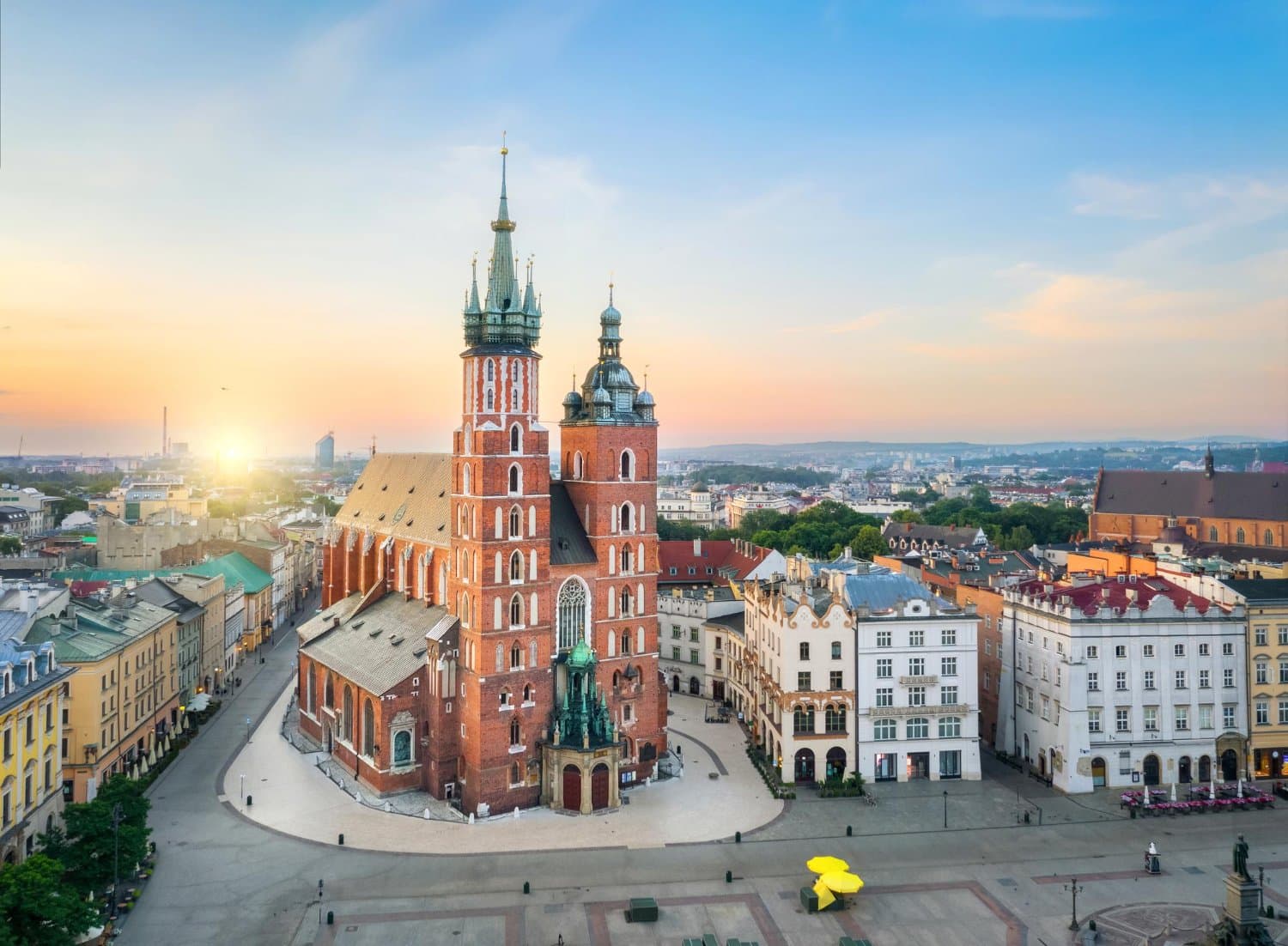
Cities such as Kraków and Warsaw are the primary choices for expats. Kraków is known for its historic charm and slightly lower cost base, making it appealing for those prioritising lifestyle, whereas Warsaw, as the capital, offers stronger career opportunities and a more dynamic business environment. Therefore, your choice should reflect whether your focus is professional growth or a more relaxed pace of life.
Cost of Living: European Structure at a Lower Price Point
Poland offers a compelling middle ground—allowing expats to enjoy the benefits of European living without the higher costs associated with countries such as the UK, France, or Germany.
Monthly budget (comfortable lifestyle): £1,000–£1,600
Rent (one-bedroom apartment): £400–£900 (higher in central Warsaw)
Utilities and internet: £120–£200 (seasonally higher in winter)
Dining out: £8–£20 per person at mid-range restaurants
For example, a UK expat relocating from London could reduce monthly living expenses by approximately £800–£1,200, depending on accommodation and lifestyle choices. While this may not be as significant as moving to Asia or South America, it still provides meaningful scope for savings and financial planning.
To manage costs effectively in Poland, I typically suggest:
Considering cities like Kraków or Wrocław for better value compared to Warsaw
Accounting for seasonal utility increases, particularly heating during winter
Reviewing rental contracts carefully, as pricing can vary widely by district
Lifestyle and Quality of Life
Poland offers a high standard of living, particularly for those who value structure, safety, and accessibility within Europe. Its cities are clean, well-organised, and increasingly international, making integration relatively straightforward for expats.
One of the key advantages is infrastructure. Public transport is efficient, internet connectivity is strong, and essential services are reliable. This creates a stable environment that supports both professional and personal life.
Expats in Poland typically benefit from:
A strong and growing economy with employment opportunities
High levels of safety and well-maintained urban environments
Access to European travel, with excellent rail and flight connections
A developing expat community, particularly in major cities
It is also worth noting that while English is widely spoken among younger professionals, learning some basic Polish can significantly enhance your day-to-day experience and integration.
9. Indonesia
Indonesia has become one of the best places to live as an expat, particularly for those prioritising lifestyle, flexibility, and affordability. While the country is vast and diverse, most expats are drawn to Bali, which has developed into a global hub for remote workers, entrepreneurs, and creatives.
What makes Indonesia especially appealing is the ability to design a lifestyle that blends work, wellbeing, and leisure. However, it is important to approach the move with careful planning, particularly around visas and long-term residency.

Cost of Living: Flexible and Lifestyle-Driven
Indonesia offers a wide range of living costs depending on your preferences. While it is possible to live very cheaply, most expats opt for a more comfortable lifestyle that still represents excellent value compared to the UK.
Monthly budget (comfortable lifestyle): £800–£1,500
Rent (villa or modern apartment): £400–£1,000 (often with added amenities)
Utilities and internet: £70–£150
Dining out: £2–£8 for local meals, £10–£25 for international options
For example, a UK expat accustomed to spending £2,500 per month could reduce their expenses to around £1,200 in Bali, while enjoying a higher quality of accommodation, often including private outdoor space, cleaning services, or shared facilities such as pools.
To manage your budget effectively in Indonesia, I typically recommend:
Defining your lifestyle expectations early (local vs Western-oriented living)
Renting short-term initially to explore different areas before committing
Monitoring discretionary spending, as frequent dining in international venues can increase costs quickly
Lifestyle and Quality of Life
Indonesia’s primary appeal lies in its lifestyle offering. Bali, in particular, provides an environment that encourages a healthier, more balanced way of living. The combination of natural beauty, wellness culture, and a strong expat network makes it especially attractive for those seeking a change of pace.
A key advantage is flexibility. Many expats structure their days around remote work, with time allocated to fitness, social activities, or personal projects. This level of autonomy can significantly improve overall wellbeing.
Expats in Indonesia often enjoy:
A strong focus on health and wellness, including yoga, fitness, and outdoor living
A large and active international community
Access to beaches, rice fields, and nature within close proximity
A wide range of co-working spaces and cafés suited to remote work
However, it is important to remain pragmatic. Infrastructure, healthcare access, and visa regulations require careful consideration. Private healthcare is available, but many expats choose international insurance with access to treatment in neighbouring countries such as Singapore for more complex needs.
10. Greece
Greece has increasingly emerged as one of the best places to live as an expat, particularly for UK nationals seeking a relaxed Mediterranean lifestyle combined with improving infrastructure and reasonable living costs. While historically overlooked in favour of Spain or Portugal, Greece now presents a compelling alternative, especially for those prioritising climate, culture, and a slower pace of life.
Cities such as Athens and Thessaloniki offer contrasting but equally appealing lifestyles. Athens provides a dynamic, urban environment with growing business opportunities, whereas Thessaloniki offers a more laid-back atmosphere with slightly lower living costs. In addition, the Greek islands present further options for those seeking a quieter, lifestyle-driven relocation.

Cost of Living: Accessible Mediterranean Living
Greece offers a relatively affordable cost of living compared to the UK, particularly outside the most tourist-heavy areas. While prices have risen in recent years, it remains possible to live comfortably without excessive expenditure.
Monthly budget (comfortable lifestyle): £1,000–£1,700
Rent (one-bedroom apartment): £400–£900 (higher in central Athens or popular islands)
Utilities and internet: £100–£180
Dining out: £10–£25 per person at mid-range restaurants
For example, a UK expat spending £2,500 per month could reasonably reduce their expenses to around £1,500 in Greece, depending on location and accommodation choices. This reduction, while moderate, still allows for consistent savings and improved financial flexibility.
To optimise your budget in Greece, I recommend:
Avoiding peak tourist areas where rental prices are inflated
Considering mainland cities or less commercialised islands for better value
Planning for seasonal variations in costs, particularly during summer months
Lifestyle and Quality of Life
Greece’s primary appeal lies in its lifestyle. The country offers a combination of favourable climate, rich cultural heritage, and a strong emphasis on social living. For many UK expats, this translates into a more balanced and enjoyable daily routine.
One of the key advantages is the Mediterranean climate, with long, warm summers and mild winters. This naturally encourages outdoor activities and a slower, more social pace of life.
Expats in Greece typically enjoy:
A relaxed lifestyle centred around food, family, and community
Access to beaches, islands, and historic sites
A growing expat and digital nomad community
A lower-pressure environment compared to major UK cities
It is worth noting that while English is widely spoken in urban and tourist areas, learning some basic Greek can significantly enhance your experience and integration into local communities.
11. Czech Republic
The Czech Republic continues to earn its place among the best places to live as an expat, particularly for UK nationals seeking a central European base with character, reliability, and reasonable living costs. It offers a compelling mix of historic charm and modern infrastructure, making it both an enjoyable and practical destination for long-term relocation.
The capital, Prague, is the focal point for expats. Known for its architecture and cultural richness, Prague also provides strong transport links, a growing international community, and a well-developed service sector. As a result, it is particularly suited to professionals, remote workers, and those looking for a balanced European lifestyle.

Cost of Living: Good Value Within a European Framework
While the Czech Republic is not the cheapest option in Central Europe, it remains more affordable than many Western European countries, including the UK. With careful planning, expats can enjoy a high standard of living at a manageable cost.
Monthly budget (comfortable lifestyle): £1,100–£1,700
Rent (one-bedroom apartment): £600–£1,100 (higher in central Prague)
Utilities and internet: £120–£180
Dining out: £10–£25 per person at mid-range restaurants
For example, a UK expat relocating from London could reduce their monthly expenses by £800–£1,200, depending on housing choices. While Prague has seen rising rental prices in recent years, it still offers better value when compared to similarly positioned cities in Western Europe.
To optimise your cost of living, I generally advise:
Looking slightly outside Prague’s historic centre for more competitive rental rates
Budgeting for seasonal utility fluctuations, particularly during winter
Reviewing lease agreements carefully, as terms and pricing can vary significantly
Lifestyle and Quality of Life
The Czech Republic offers a high quality of life, particularly for those who appreciate structure, culture, and accessibility. Prague, in particular, combines a rich historical setting with modern conveniences, creating a unique and highly liveable environment.
One of the country’s key strengths is its central location within Europe. This allows for straightforward travel to neighbouring countries, which is especially beneficial for expats maintaining professional or personal connections across the continent.
Expats in the Czech Republic typically benefit from:
Efficient public transport and well-maintained infrastructure
A safe and organised urban environment
A strong café culture and vibrant social scene
Easy access to other European cities via rail and short-haul flights
Additionally, while English is commonly spoken in Prague, particularly among younger professionals, learning some basic Czech can greatly improve your day-to-day experience and integration into local life.
12. Costa Rica
Costa Rica consistently ranks among the best places to live as an expat, particularly for those who prioritise wellbeing, stability, and a strong connection to nature. While it is not the cheapest option on this list, it offers a high quality of life supported by political stability, environmental focus, and a relaxed pace of living.
Unlike more urban-centric destinations, Costa Rica’s appeal lies in its variety of settings, from beachside towns to lush inland regions. As a result, expats can tailor their living environment based on lifestyle preferences rather than purely financial considerations.

Cost of Living: Moderate Costs with Lifestyle Value
Costa Rica sits at a slightly higher price point than many Latin American countries, yet it still offers reasonable value when compared to the UK, particularly when factoring in quality of life.
Monthly budget (comfortable lifestyle): £1,200–£2,000
Rent (one-bedroom apartment or small house): £500–£1,200 (varies significantly by location)
Utilities and internet: £100–£180
Dining out: £8–£20 for local meals, £20–£35 for mid-range restaurants
For example, a UK expat spending £2,500 per month could expect to spend a similar or slightly reduced amount in Costa Rica, depending on location and lifestyle choices. While the cost savings may not be substantial, the trade-off often comes in the form of improved wellbeing and a more relaxed daily routine.
To manage expenses effectively, I recommend:
Avoiding highly touristic areas where prices are inflated
Sourcing accommodation locally rather than through international platforms
Budgeting for imported goods, which can be significantly more expensive
Lifestyle and Quality of Life
Costa Rica’s defining strength is its lifestyle. The country is widely recognised for its focus on wellbeing, sustainability, and “pura vida”—a philosophy centred on enjoying life at a slower, more mindful pace. For many UK expats, this represents a meaningful shift away from the pressures of urban living.
One of the most notable advantages is access to nature. Beaches, rainforests, and national parks are all within relatively short distances, encouraging a more active and outdoor-oriented lifestyle.
Expats in Costa Rica typically enjoy:
A warm climate year-round, supporting outdoor living
A strong emphasis on health, wellbeing, and work-life balance
A welcoming and relaxed local culture
Access to private healthcare, with good standards in major areas
That said, it is important to approach Costa Rica with realistic expectations. Infrastructure can vary by region, and processes may be slower than what UK expats are accustomed to. Therefore, patience and flexibility are essential when settling in.
How to Choose the Right Destination as an Expat
With so many excellent options available, selecting from the best places to live as an expat ultimately comes down to aligning your personal goals with practical and financial realities.
From my experience advising expat clients, the decision should be guided by a combination of lifestyle preferences and long-term financial planning.
1. Define Your Priorities Clearly
Before choosing a destination, it is essential to understand why you are relocating. Different countries serve different objectives, so clarity at the outset will save both time and costly adjustments later.

Ask yourself:
Are you looking to reduce your cost of living significantly (e.g. Vietnam or Thailand)?
Do you prefer to remain within Europe for accessibility (e.g. Portugal or Spain)?
Are you prioritising lifestyle and wellbeing over financial savings (e.g. Costa Rica)?
By identifying your primary objective, you can immediately narrow down your options.
2. Evaluate the True Cost of Living
Headline figures can be misleading. While some destinations appear inexpensive, your actual spending will depend heavily on your lifestyle choices.
When assessing affordability, consider:
Housing costs in expat-friendly areas
Healthcare and insurance requirements
Imported goods and Western lifestyle expenses
Currency exchange impact if earning in GBP
For instance, while Malaysia may offer low day-to-day costs, regularly dining in international venues or living in premium districts can quickly increase your monthly budget.
3. Consider Tax and Financial Implications
Your choice of destination can have a significant impact on your financial position. Residency rules, tax obligations, and access to financial services vary widely between countries.

Key considerations include:
Your tax residency status and potential liabilities
Double taxation agreements between the UK and your chosen country
Investment accessibility and regulation
Pension and long-term wealth planning
This is an area where professional advice is particularly valuable, as missteps can be costly over time.
4. Assess Lifestyle Compatibility
Beyond finances, your day-to-day experience matters. A destination may look ideal on paper, but it must suit your personal preferences and routine.
Consider:
Climate and environment
Pace of life (fast-paced cities vs relaxed towns)
Language and ease of communication
Cultural fit and social opportunities
For example, Bali may appeal to those seeking flexibility and wellness, whereas Warsaw may suit individuals who prefer structure and a more traditional European environment.
5. Test Before You Commit
Where possible, I strongly recommend spending time in your chosen destination before making a long-term move. A short-term stay can provide valuable insight into both lifestyle and practical considerations.

During this period, aim to:
Explore different neighbourhoods
Understand local costs in real terms
Experience daily routines rather than holiday living
Identify any potential challenges early
This approach reduces uncertainty and allows you to make a more informed decision.
If Vietnam Is on Your Journey, You Can Count on Benjamin Sharvell
For many expats, Vietnam is becoming a strategic base for both lifestyle and financial growth. As highlighted earlier, cities such as Ho Chi Minh City and Hanoi offer a rare combination of affordability and opportunity. However, to fully benefit from this, your financial planning must be structured with care.
This is precisely where I support my clients.
Supporting Expats Living in Vietnam
Having worked extensively with expat clients across Asia, I understand the specific challenges that arise when living in Vietnam, from managing income across currencies to navigating international investment structures.
If you are based in Vietnam, or considering a move, I can help you:
Maximise your increased savings potential: Lower living costs often result in a higher monthly surplus. I help ensure that surplus is directed into well-structured investment strategies rather than sitting idle.
Manage GBP income effectively: Many UK expats continue earning in pounds while spending in Vietnamese đồng. Careful planning can reduce losses from exchange rates and improve overall efficiency.
Build an internationally diversified portfolio: Living in Vietnam should not limit your financial opportunities. I focus on positioning your investments globally, aligned with your long-term goals.
Plan for future transitions: Whether you intend to remain abroad, relocate again, or eventually return to the UK, your financial structure should remain flexible and robust.
A Trusted Partner for Your Expat Journey
Relocating to Vietnam can be one of the most rewarding decisions you make, both personally and financially. With the right structure in place, it becomes more than a lifestyle change; it becomes a strategic advantage.
If Vietnam is part of your journey, you can rely on me to help you make informed decisions, optimise your finances, and build a plan that supports your future.
Ready to Take the Next Step?
Relocating abroad is an exciting opportunity but without the right financial structure in place, it can also present unnecessary risks. Choosing from the best places to live as an expat is only the first step; ensuring your finances are aligned with your new lifestyle is what truly makes the difference.
If you are ready to move forward with confidence, I would be pleased to support you in building a strategy that works for you, wherever in the world you choose to live.
Get in touch with our team today!