

As global mobility continues to reshape how and where we live and work, Vietnam, and Ho Chi Minh City (HCMC) in particular, remains one of Southeast Asia’s most compelling destinations for expatriates. Having lived and worked here myself, I understand that expat life is about far more than lifestyle alone; it is also about long-term planning, financial security, and making informed decisions in an unfamiliar environment.
In this comprehensive 2026 guide, I will walk you through the realities of expat life in Ho Chi Minh City, from day-to-day living and neighbourhood choices to cost considerations, healthcare, and the financial implications of living overseas.
Key Takeaways
Ho Chi Minh City is now a mega-city. After the July 2025 merger with Binh Duong and Ba Ria-Vung Tau, the wider city is home to around 14 million people; the core urban area holds about 9.9 million.
A single expat needs roughly £1,200 to £1,500 a month for a comfortable lifestyle; a couple £1,800 to £2,300; families much more once school fees are included.
Best areas for expats: District 1 for professionals, Thao Dien and District 7 for families, District 3 for balance, Binh Thanh for value.
Getting around is cheap. Ride-hailing apps dominate, and the first metro line opened in December 2024.
It is a safe, family-friendly base, with strong international schools and clinics, provided your finances are structured for life abroad.
Why Ho Chi Minh City Continues to Attract Expats in 2026
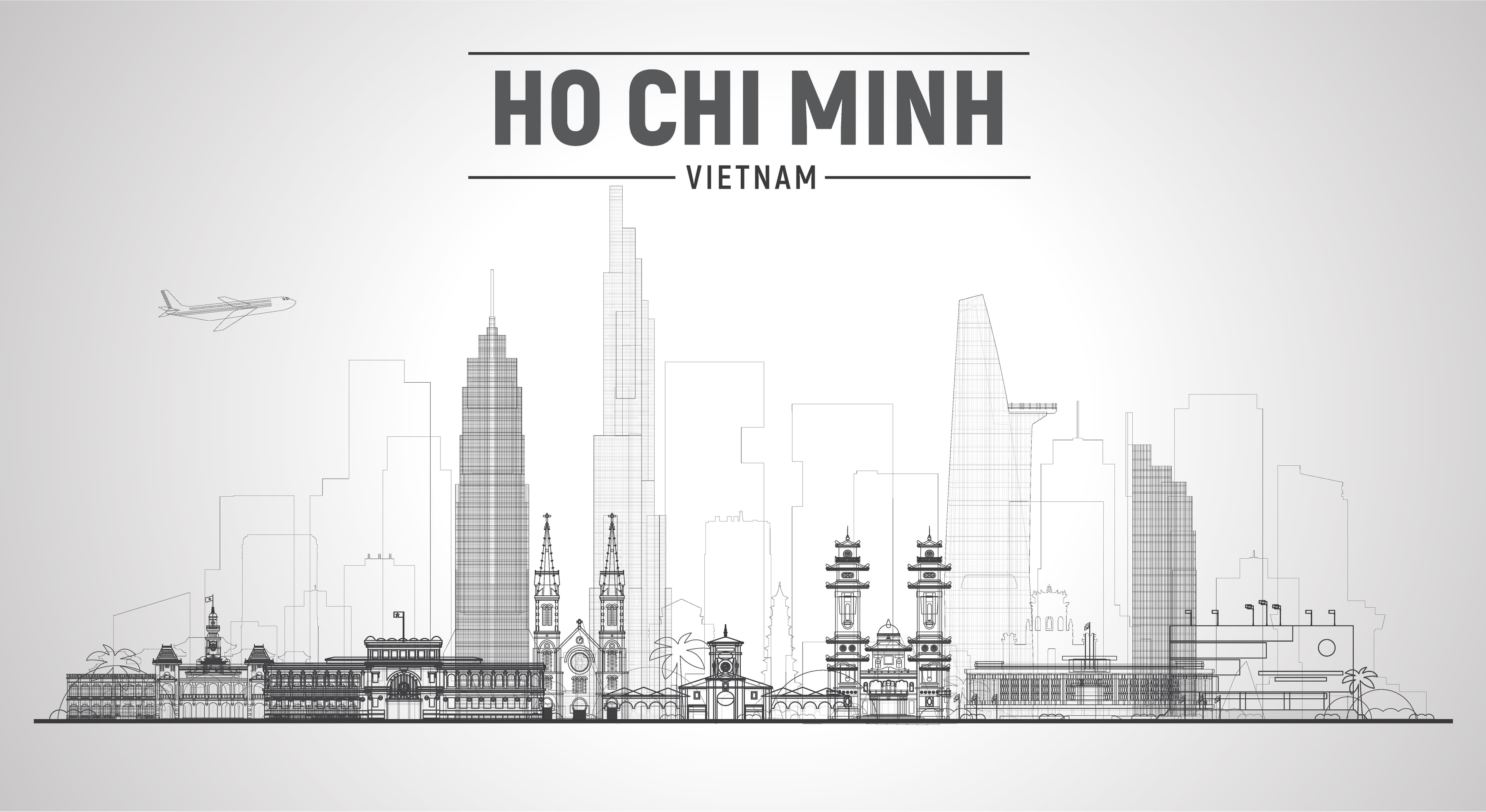
Ho Chi Minh City is Vietnam’s commercial engine and one of the fastest-growing cities in Asia. According to Vietnam’s General Statistics Office, the city’s population exceeded 9.8 million residents in 2025, and urban planners project the wider metropolitan area could approach 13–14 million by the late 2020s.
This rapid growth has fuelled infrastructure investment, rising professional opportunities, and a lifestyle that blends emerging-market dynamism with increasing international standards.
For foreign expats, the appeal is clear:
Competitive cost of living
Strong demand for foreign expertise in education, finance, technology, manufacturing, and professional services
A warm climate and rich food culture
A growing expat community with international schools, clinics, and lifestyle amenities
Importantly, expat life in Ho Chi Minh City allows many professionals to maintain or even improve their quality of life while accelerating savings and investment potential, provided finances are structured correctly.
Cost of Living in Ho Chi Minh City (2026)
Understanding the true cost of living is essential for anyone considering expat life in Ho Chi Minh City. While Vietnam remains highly affordable by Western standards, costs vary significantly depending on lifestyle choices, location, and family circumstances. A well-informed approach allows expats not only to live comfortably but also to optimise their financial position while overseas.
1. Housing Costs: What to Expect and What to Watch For
Housing is typically the single largest monthly expense for expats in Ho Chi Minh City, and prices depend heavily on district, building quality, and proximity to international schools or business hubs. Fortunately, the city offers a wide range of options that suit both professionals and families.
As a general guide in 2026:
One-bedroom apartment in District 1 or Thao Dien (District 2): £700–£1,200 per month ($900–$1,500)
Two-bedroom apartment in District 7 or Binh Thanh: £600–£1,000 per month ($750–$1,300)
Local-style apartments outside core expat areas: From £350 per month ($450)
Modern developments usually include 24-hour security, gyms, swimming pools, and underground parking. However, newer does not always mean better located. For this reason, I always advise expats to personally inspect properties before signing a lease. In practice, this means:
Visiting the apartment at different times of day to assess noise and traffic
Checking nearby construction projects, which are common and can last years
Confirming whether flooding occurs during monsoon season
Ensuring utilities, internet, and maintenance responsibilities are clearly stated in the contract
Most landlords require one month’s rent as a deposit plus one month upfront, and leases are typically 6–12 months. Paying deposits remotely is strongly discouraged, as misrepresentation remains a risk.

2. Daily Living Expenses: Managing Day-to-Day Costs
Beyond housing, daily living costs in Ho Chi Minh City are where many expats experience the greatest savings compared to life in the UK or US. Food, transport, and services are particularly affordable, allowing for a comfortable lifestyle even on a modest budget.
Typical monthly expenses for a single expat might include:
Local meal: £1.50–£3 ($2–$4)
Mid-range restaurant meal: £8–£15 ($10–$20)
Coffee at a café: £0.65–£0.80 ($0.80–$1.00)
Food delivery apps (GrabFood, Baemin): Often cheaper than dining out
Monthly utilities (electricity, water, rubbish): £40–£70 ($50–$90)
Electricity costs can rise sharply if air conditioning is used heavily, particularly during the hotter months from March to May. As a practical example, running air conditioning overnight every day can double your electricity bill, something new arrivals often underestimate.
Groceries are another area where spending can vary significantly. Local markets and Vietnamese supermarkets are inexpensive, while imported Western goods can be two to three times more expensive than at home. Many expats adopt a blended approach, buying fresh produce locally while selectively purchasing imported items.
3. Transport Costs: Affordable but Time-Sensitive
Getting around Ho Chi Minh City is inexpensive, though traffic congestion remains a daily reality. Most expats rely on ride-hailing apps rather than owning a vehicle, which keeps costs predictable and low.
Common transport expenses include:
Ride-hailing motorbike trips: £0.80–£2 ($1–$2.50)
Ride-hailing car trips within central districts: £2–£5 ($2.50–$6)
Public bus fares: Approximately £0.20 ($0.25) per journey
For those commuting daily, monthly transport costs typically range between £30–£70 ($40–$90). That said, travel time, not cost, is often the bigger concern. Living closer to work can dramatically improve quality of life, even if rent is slightly higher.

Choosing Where to Live: Key Districts for Expats
Where you choose to live will shape your overall experience of expat life in Ho Chi Minh City more than almost any other decision. Commute times, noise levels, access to amenities, and even long-term financial outcomes can vary significantly from district to district.
For this reason, it is worth spending time understanding not only where expats tend to live, but why certain areas suit particular lifestyles and priorities.
Where you live shapes your experience more than almost any other decision. A quick comparison of the most popular expat areas:
| Area | Vibe | Best for | Indicative 1-bed rent |
|---|---|---|---|
| District 1 | Central, corporate, nightlife | Professionals, short stays | £700 to £1,200 |
| Thao Dien (Thu Duc City) | Leafy international enclave | Families, long-term expats | £700 to £1,200 |
| District 3 | Central, characterful, balanced | Culture and balance seekers | £500 to £900 |
| District 7 (Phu My Hung) | Planned, suburban, orderly | Families, quieter living | £600 to £1,000 |
| Binh Thanh | Emerging value, local energy | Budget-conscious newcomers | £400 to £800 |
Retirees weighing up neighbourhoods can also see our guide to the best districts in Ho Chi Minh City for expat retirees.
1. District 1: The Commercial and Financial Centre
District 1 is the beating heart of Ho Chi Minh City. It is home to international banks, corporate offices, consulates, luxury hotels, and high-end dining, making it particularly attractive to professionals working in finance, consulting, or senior management roles.
Living here offers maximum convenience, but it comes at a premium. Apartments tend to be smaller, traffic is constant, and noise levels can be high. However, for many expats, the ability to walk or take short rides to work outweighs these drawbacks.
District 1 is best suited for:
Single professionals or couples without children
Expats prioritising proximity to work and social life
Short- to medium-term assignments
Practical tips:
Focus on buildings with good sound insulation
Visit properties at night to assess noise
Expect higher service charges and parking fees
From a lifestyle perspective, District 1 offers unparalleled access to international cuisine, gyms, rooftop bars, and cultural landmarks. Financially, it is often a trade-off between higher rent and reduced transport costs.
2. District 2 (Thao Dien): Family-Friendly and International
District 2, particularly the Thao Dien ward, has become synonymous with expat family life. Over the past decade, it has transformed into a modern, international enclave with wide roads, newer developments, and a high concentration of international schools.
This area is especially appealing to families with children due to:
Proximity to top international schools (ISHCMC, BIS, AIS, EIS)
Larger apartments and townhouses
A quieter, greener environment compared to central districts
However, there are practical considerations. Flooding remains an issue in certain streets during the rainy season, and commute times to District 1 can be unpredictable during peak hours.
Instructions for prospective residents:
Ask landlords directly about historical flooding
Inspect basement parking areas carefully
Test commute routes during rush hour
For long-term expats, District 2 often offers the best balance between comfort, space, and community, albeit at a slightly higher cost than more local districts.
3. District 3: Central, Cultural, and Well-Balanced
District 3 is often overlooked by new arrivals, yet it remains one of the most liveable districts in the city. Bordering District 1, it combines colonial architecture, tree-lined streets, and a strong local atmosphere with modern cafés, restaurants, and offices.
This district suits expats who want:
Central access without the intensity of District 1
A blend of Vietnamese culture and international living
Walkable neighbourhoods and local markets
Accommodation options range from renovated older buildings to modern serviced apartments. While fewer large residential towers exist, many expats appreciate the authenticity and character of the area.
Practical advice:
Check building age and electrical systems
Ensure reliable internet connectivity
Look for streets set back from main roads
District 3 is particularly popular with professionals who value balance, both in lifestyle and spending.
4. District 7 (Phu My Hung) – Structured and Family-Oriented
District 7, and Phu My Hung specifically, offers a very different experience from the rest of Ho Chi Minh City. With planned infrastructure, wide pavements, and strict zoning regulations, it feels more orderly and suburban.
This area attracts:
Families with school-aged children
Korean, Japanese, and long-term international residents
Expats seeking quieter living and cleaner surroundings
Benefits include international hospitals, large shopping centres, and reputable schools such as Saigon South International School. However, the main drawback is distance, commuting to Districts 1 or 3 can take 30–45 minutes in traffic.
Before choosing District 7:
Factor commute time into daily routines
Budget for higher taxi costs
Consider whether central city access is essential
For families planning to stay several years, District 7 often provides stability and consistency that other areas cannot.
5. Binh Thanh: Emerging Value and Local Energy
Binh Thanh sits between District 1 and District 2 and has gained popularity among expats looking for better value without sacrificing location. While parts of the district remain rough around the edges, new developments have improved liveability significantly.
This district appeals to:
Budget-conscious professionals
Expats who enjoy a more local experience
Those working near District 1 or District 2
Rents are typically lower, and food options are abundant. However, infrastructure quality varies widely from street to street.
Key considerations:
Inspect neighbourhoods carefully, not just apartments
Assess noise levels and traffic flow
Choose developments with proper security
Binh Thanh can be an excellent stepping stone for new expats who want to understand the city before committing to higher-cost districts.
Getting Around the City
Navigating Ho Chi Minh City is often one of the first challenges new arrivals encounter. With more than eight million motorbikes on the road and constant urban movement, transport can feel chaotic at first.
However, once you understand the available options, getting around the city becomes surprisingly manageable.
1. Ride-Hailing Apps: The Easiest Starting Point
For the vast majority of expats, ride-hailing apps form the backbone of daily transport. Services such as Grab, Be, and Gojek are reliable, widely used, and extremely affordable by UK and US standards.
These platforms offer both motorbike and car options, allowing you to choose based on comfort, weather, and distance. Typical costs include:
Short motorbike ride (2–4 km): £0.80–£2 ($1–$2.50)
Car ride within central districts: £2–£5 ($2.50–$6)
From a practical standpoint, ride-hailing apps provide:
Transparent pricing before you confirm the journey
GPS tracking and digital receipts
Cashless payment options linked to local bank accounts or cards
For new arrivals, I recommend using car rides initially to build confidence before transitioning to motorbikes, which are faster but require a higher comfort level with traffic.
2. Traditional Taxis: When and How to Use Them
Although ride-hailing apps dominate, traditional taxis still play a role in expat life in Ho Chi Minh City. Vinasun and Mai Linh remain the most reputable operators and are best used when apps are unavailable or during peak demand periods.
Key guidelines include:
Always ensure the meter is running
Avoid unbranded or unofficial taxis
Keep smaller banknotes available for payment
Taxis are generally slightly more expensive than app-based rides but can be useful at airports, hotels, or late at night. For peace of mind, many expats still prefer apps due to their traceability and fare transparency.
3. Public Transport: Extremely Cheap but Limited
Public buses are the cheapest form of transport in Ho Chi Minh City, with fares averaging £0.20 ($0.25) per trip. While the network is extensive, it is less user-friendly for newcomers due to signage, limited English, and slower travel times.
Public buses may suit:
Budget-conscious long-term residents
Expats living and working along the same route
Those comfortable navigating local systems
That said, buses are often impractical during rush hour and may not align with professional schedules. Most expats use them occasionally rather than as a primary mode of transport.
4. Motorbike Ownership: Convenience with Responsibility
Owning or renting a motorbike can provide unmatched flexibility, but it also comes with legal and safety responsibilities that should not be taken lightly.
Before riding, expats should:
Obtain a valid Vietnamese motorbike licence
Ensure their insurance explicitly covers motorbike use
Invest in a high-quality helmet
Monthly rental costs typically range from £40–£70 ($50–$90), while purchasing a bike may cost £600–£1,200 ($750–$1,500) depending on model.
From a financial planning perspective, riding without proper licensing can invalidate insurance entirely, a risk I strongly advise against. Medical treatment following accidents can be costly without coverage.

5. Electric Taxis and Sustainable Options
In recent years, Ho Chi Minh City has introduced more environmentally friendly transport options. Xanh SM, Vietnam’s first fully electric taxi service, has expanded rapidly and is now available across most districts.
Benefits include:
Quiet, clean vehicles
Competitive pricing
Growing availability during peak hours
For expats conscious of sustainability, this is an increasingly attractive option that also aligns with Vietnam’s long-term environmental goals.
6. The Metro
Ho Chi Minh City's first metro line (Line 1, Ben Thanh to Suoi Tien) opened in December 2024 and now links the city centre with the eastern districts, with further lines planned. For expats along its route it is a fast, cheap and air-conditioned alternative to road traffic.
Managing Commute Time and Traffic Patterns
While transport costs are low, time is often the hidden cost. Rush hours typically occur between:
7:00–10:00 AM
5:00–8:00 PM
During these periods, even short distances can take considerably longer. For this reason, I advise expats to prioritise proximity to work when choosing accommodation, even if it means slightly higher rent.
Practical strategies include:
Testing commute routes before signing a lease
Scheduling meetings outside peak hours when possible
Using motorbike rides for short, time-sensitive journeys
Healthcare, Insurance, and Safety
Healthcare and personal safety are areas where preparation and informed decision-making are particularly important when settling into expat life in Ho Chi Minh City.
1. Healthcare Standards: Public vs Private Care
Ho Chi Minh City offers a mix of public hospitals, private Vietnamese clinics, and international-standard medical facilities. While public hospitals are affordable, they are often overcrowded and may have limited English-speaking staff, making them less suitable for most expats except in emergencies.
For this reason, the majority of expats rely on private and international clinics, particularly for routine and non-emergency care. Well-known providers include:
FV Hospital
Family Medical Practice
International SOS
Columbia Asia (now part of Parkway Pantai)
These facilities generally offer:
English-speaking doctors
Shorter waiting times
Western diagnostic standards
Consultation fees typically range from £40–£80 ($50–$100) per visit, excluding tests or medication. While this is affordable by international standards, costs can escalate quickly for specialist care or hospitalisation.

2. Pharmacies, Medication, and Self-Care
Pharmacies are widely available throughout Ho Chi Minh City, and many medications can be purchased without a prescription. While this convenience is appealing, it also requires caution.
Practical guidance includes:
Avoid self-prescribing antibiotics without medical advice
Always check dosage and instructions carefully
Keep a basic medical kit at home
Common items expats often keep on hand:
Diarrhoea medication (frequently needed when adjusting to local food)
Electrolyte sachets
Insect repellent and anti-itch treatments
Paracetamol or ibuprofen
Medication costs are generally low, but quality can vary, so using reputable pharmacies near international clinics is advisable.
3. Everyday Safety and Personal Awareness
Ho Chi Minh City is considered relatively safe compared to many global cities, particularly in terms of violent crime. However, petty theft does occur and awareness is key.
Common safety tips include:
Use phone lanyards or wrist straps when outdoors
Avoid using phones near busy roads
Keep valuables zipped and worn across the body
Be particularly cautious in the weeks leading up to Tet (Lunar New Year)
At home, most expats live in buildings with security staff and controlled access, which significantly reduces risk.
4. Road Safety and Motorbike Awareness
Traffic accidents remain one of the biggest safety risks for expats in Vietnam. Whether riding or simply crossing the street, situational awareness is essential.
If you choose to ride a motorbike:
Purchase a quality helmet, not a cheap street version
Obtain a valid local licence
Ensure your insurance explicitly covers riding
For pedestrians, crossing roads confidently but predictably is key. Walk slowly, maintain eye contact where possible, and allow traffic to flow around you rather than stopping abruptly.

5. Emergency Preparedness: What to Do in Advance
Preparing for emergencies before they occur can make a significant difference. I recommend that all expats:
Carry a copy of their passport at all times
Keep emergency contact details in their wallet and phone
Store insurance information digitally and physically
Know the location of the nearest international hospital
In emergencies, hospitals often request proof of insurance or payment before commencing treatment. Having this information readily available avoids unnecessary delays.
Banking, Currency, and Financial Practicalities
Managing money effectively is a cornerstone of successful expat life in Ho Chi Minh City. While Vietnam’s banking system is stable and improving, it operates differently from those in foreign countries, such as the UK or the US.
Understanding how to manage cash, open accounts, and handle cross-border finances early on can prevent costly mistakes and reduce unnecessary stress.
1. Understanding the Vietnamese Dong and Cash Usage
Vietnam remains a predominantly cash-based society, despite rapid growth in digital payments. The local currency, the Vietnamese Dong (VND), uses large denominations, which can be confusing for newcomers.
For example:
VND 10,000 ≈ £0.30 ($0.40)
VND 100,000 ≈ £3.00 ($4.00)
VND 500,000 ≈ £15.00 ($20.00)
Because several banknotes are similar in colour, expats should take care when counting cash. It is not uncommon to accidentally overpay, particularly when handling VND 100,000 and VND 10,000 notes.
Practical guidance:
Organise banknotes by denomination in your wallet
Avoid carrying large sums unless necessary
Request smaller notes whenever possible
Many small businesses and taxis may not have change for VND 500,000 notes, making smaller denominations more practical for daily use.
2. Opening a Bank Account as an Expat
Opening a local Vietnamese bank account is possible for expats but requires patience and documentation. Requirements vary by bank but generally include:
Valid passport
Valid visa or residence card
Local address or employment confirmation
Popular banks among expats include HSBC Vietnam, Standard Chartered Vietnam, and local institutions such as Vietcombank and Techcombank.
International banks often offer better English-language support, while local banks may provide lower fees and better integration with local payment systems.
When opening an account:
Confirm whether online banking and English interfaces are available
Ask about international transfer fees
Understand minimum balance requirements
Many expats maintain both a local account for daily expenses and an offshore or home-country account for savings and investments.

3. Digital Payments and Mobile Wallets
While cash is still widely used, digital payments have grown rapidly. QR-code payments and mobile wallets are common in supermarkets, cafés, and ride-hailing apps.
Commonly used platforms include:
GrabPay
MoMo
ZaloPay
These systems are convenient for daily spending but typically require a Vietnamese bank account to operate fully. Expats should still avoid keeping large balances in mobile wallets, using them instead as transactional tools.
4. Currency Exchange and International Transfers
Currency exchange is widely available, with gold shops often offering better rates than banks. However, expats should only use reputable and well-established exchange locations.
Key tips include:
Compare rates before exchanging large sums
Keep exchange receipts when required
Be cautious of unofficial street exchanges
For international transfers, fees can be high and transfer times slow. Many expats use international transfer platforms or maintain offshore banking arrangements to manage currency exposure efficiently.
From a financial planning perspective, holding excessive cash in VND can introduce unnecessary currency risk, particularly for those earning or planning retirement in GBP or USD.
Lifestyle, Food, and Community
One of the most rewarding aspects of expat life in Ho Chi Minh City is the lifestyle it offers. Beyond affordability, the city provides energy, diversity, and a strong sense of community that many expats come to value deeply.
While adapting to a new culture takes time, those who engage openly with local life often find the transition far smoother and more enjoyable.
1. Daily Lifestyle: Fast-Paced but Flexible
Ho Chi Minh City operates at a fast pace, yet daily life is often more flexible than in the UK or US. Shops open early and close late, services are readily available, and convenience is built into everyday routines.
Typical lifestyle features include:
Cafés and restaurants operating from early morning until late evening
Affordable domestic help, laundry services, and repairs
A strong café culture that blends work and social life
For many expats, this flexibility reduces day-to-day stress and creates more time for socialising, exercise, or travel. That said, it is important to establish routines early, particularly around work, fitness, and rest, to avoid burnout in such a dynamic environment.
2. Food Culture: Variety, Quality, and Affordability
Food is central to life in Ho Chi Minh City and one of the easiest ways to connect with the culture. The city offers an exceptional range of options, from street-side vendors to international fine dining.
Expats can expect:
Local Vietnamese meals for £1.50–£3 ($2–$4)
Mid-range international dining for £8–£15 ($10–$20)
Delivery apps such as GrabFood and Baemin make dining convenient, particularly during busy workweeks. However, eating locally and exploring neighbourhood eateries often provides the best value and experience.
Practical tips:
Start with busy stalls, high turnover often means fresher food
Introduce local dishes gradually to allow your system to adjust
Use bottled water for brushing teeth and food preparation
Over time, many expats find their food expenses decrease as they shift towards local options.
3. Coffee, Social Spaces, and Work-Life Balance
Vietnam is one of the world’s largest coffee producers, and Ho Chi Minh City’s café culture reflects this proudly. From traditional iced coffee (cà phê sữa đá) to modern specialty roasters, cafés are social hubs as much as refreshment stops.
Coffee typically costs: £0.65–£0.80 ($0.80–$1.00)
Many cafés offer:
Reliable Wi-Fi
Comfortable seating for remote work
Informal meeting spaces
For professionals and digital nomads, this café-driven culture often supports a more balanced and social workday compared to traditional office environments.

4. Building a Social Network and Community
Developing a strong social network is vital to enjoying expat life in Ho Chi Minh City. While the city has a large and active expat population, meaningful connections take intention.
Effective ways to build community include:
Joining expat Facebook groups (e.g. “Expats in Ho Chi Minh City”)
Attending networking and professional events
Participating in fitness classes, language exchanges, or volunteering
Female expats may also find dedicated groups particularly supportive during the transition period.
At the same time, forming relationships with local Vietnamese residents enriches the experience significantly. Even basic language skills can open doors and create genuine connections.
5. Language and Cultural Integration
While English is widely spoken in professional settings, learning basic Vietnamese phrases demonstrates respect and improves daily interactions.
Useful expressions include:
Xin chào — Hello
Cảm ơn — Thank you
Bao nhiêu tiền? — How much?
Vietnamese culture values politeness, patience, and humility. Simple gestures, such as greeting staff, avoiding raised voices, and showing appreciation, go a long way in building goodwill.
6. Leisure, Fitness, and Travel
Ho Chi Minh City offers a wide range of leisure activities, from gyms and yoga studios to weekend travel opportunities. Many expats take advantage of Vietnam’s central location in Southeast Asia, with affordable flights to neighbouring countries.
Leisure options include:
Modern gyms and fitness studios (£30–£60 / $40–$75 per month)
Cinemas, live music venues, and art spaces
Short trips to beaches such as Vung Tau or Da Nang
Regular breaks from the city help maintain balance and prevent fatigue, particularly during hotter months.

A Realistic Monthly Budget for Expats
Establishing a realistic monthly budget is one of the most important steps in settling into expat life in Ho Chi Minh City. While the city is undeniably affordable, costs can fluctuate depending on many factors.
A structured budget not only helps control spending but also plays a critical role in freeing up capital for saving and investing.
Typical Monthly Budget Ranges
For most expats in 2026, the following ranges provide a sensible starting point:
Single professional: £1,200–£1,500 per month ($1,500–$1,900 per month)
Couple without children: £1,800–£2,300 per month ($2,300–$2,900 per month)
Families with children: Highly variable, particularly once international school fees are included
These figures assume a comfortable, though not extravagant, lifestyle that includes dining out, private transport, modern accommodation, and basic leisure activities.
How to Build Your Budget Step by Step
To avoid underestimating costs, I recommend breaking your budget into clear categories and assigning realistic monthly limits to each. This approach helps identify where adjustments can be made if spending begins to drift.
A practical structure might look like this:
Accommodation (30–40%): Rent, building fees, and minor maintenance
Food and groceries (15–20%): Split between local dining and imported groceries
Transport (5–10%): Ride-hailing apps, taxis, or fuel if riding a motorbike
Utilities and communications (5–8%): Electricity, water, internet, mobile plans
Lifestyle and leisure (10–15%): Gym memberships, socialising, weekend travel
Insurance and healthcare (5–10%): Health insurance premiums and medical expenses
Once these categories are defined, expats can track spending for the first two to three months to establish a baseline. Many find that lifestyle inflation, rather than essential costs, is what erodes savings potential.

1. Accounting for Irregular and Hidden Costs
One common mistake I see among new expats is failing to account for irregular expenses. These costs may not appear monthly but can significantly impact cash flow over the year.
Examples include:
Visa renewals and extensions
Annual health insurance premiums
Short-term travel during Tet and public holidays
Home setup costs (furniture, kitchenware, appliances)
Increased electricity bills during hotter months
A sensible approach is to allocate 5–10% of monthly income into a separate “buffer fund” to smooth out these fluctuations and avoid dipping into long-term savings.
2. Budgeting for Families and Education Costs
For families, education is often the defining factor in overall expenses. International school fees in Ho Chi Minh City typically range from £15,000–£25,000 ($19,000–$32,000) per child per year
When broken down monthly, this can add £1,250–£2,100 ($1,600–$2,700) per child to household expenses, excluding uniforms, transport, and extracurricular activities.
In these cases, budgeting should be done annually rather than monthly, ensuring that large education costs are aligned with income cycles, bonuses, or investment withdrawals where appropriate.
3. Turning Lower Living Costs into Long-Term Advantage
One of the greatest financial benefits of expat life in Ho Chi Minh City is the ability to convert lower living costs into meaningful long-term progress. Many expats earn internationally competitive salaries while spending far less than they would in the UK or US.
To make this advantage count, I encourage expats to:
Treat savings and investments as non-negotiable monthly commitments
Separate day-to-day spending accounts from long-term investment accounts
Avoid leaving excess cash idle in low-interest local bank accounts
Review currency exposure regularly to manage exchange rate risk
Without a plan, surplus income tends to be absorbed by lifestyle upgrades. With structure, it can accelerate wealth-building significantly.
Financial Planning as an Expat in Vietnam
While lifestyle is often the initial attraction, long-term financial planning is what ultimately determines whether expat life in Ho Chi Minh City becomes a stepping stone or a setback.
Having worked with expat clients globally and experienced expat life myself, I have seen how proactive planning can turn time abroad into a powerful advantage.
1. Understanding Your Expat Financial Position
The first step in effective financial planning is understanding how your expat status changes your financial landscape. This often includes:
Income earned in one jurisdiction
Living expenses in another
Assets and liabilities spread across multiple countries
For UK and US expats in Vietnam, this complexity is heightened by ongoing reporting obligations and regulatory requirements. For example:
UK expats may face changes to pension contribution rules, tax residency status, and long-term inheritance considerations
US citizens remain subject to worldwide taxation regardless of residence
As a result, decisions that appear sensible locally, such as opening accounts or investing in unfamiliar products, can have unintended consequences elsewhere if not properly structured.

2. Turning Lower Living Costs into Long-Term Wealth
One of the most compelling advantages of expat life in Ho Chi Minh City is the ability to significantly reduce day-to-day expenses while maintaining, or even increasing, income. The key question is what you do with the surplus.
Rather than allowing excess income to sit idle or be absorbed by lifestyle upgrades, well-structured expat planning focuses on:
Regular, disciplined investing
Medium- and long-term goal alignment
Diversification across currencies and asset classes
For many expats, this period represents a unique window to accelerate wealth accumulation, provided there is a framework in place to capture the opportunity.
3. Managing Currency and Investment Risk
Currency exposure is one of the most overlooked risks among expats. While daily expenses in Vietnam are paid in Vietnamese Dong, most long-term financial goals, such as retirement, education, or repatriation, are denominated in GBP or USD.
Holding excessive cash locally can therefore introduce unnecessary volatility. Effective planning involves:
Separating short-term spending money from long-term capital
Positioning investments in stable, internationally recognised jurisdictions
Ensuring portfolios are aligned with future spending currency
This is where professional oversight from reputable advisors like Benjamin Sharvell becomes particularly valuable, as managing currency risk is rarely intuitive without experience across multiple markets.
Why Personalised Advice Matters
No two expats share the same financial circumstances. Career stage, nationality, family commitments, and future plans all influence the most appropriate strategy. This is why a personalised approach is essential.
As a globally experienced financial adviser specialising in wealth management for expat clients, my work focuses on:
Structuring internationally compliant investment portfolios
Aligning financial strategies with expat lifestyles and mobility
Supporting medium- and long-term goals with pragmatic solutions
Being an expat myself, I place particular importance on ensuring that financial planning complements your life abroad.
Planning Your Next Steps as an Expat
In 2026, expat life in Ho Chi Minh City remains vibrant and full of opportunity. Those who approach life here with both curiosity and structure often find it to be one of the most professionally and personally enriching chapters of their lives.
As a globally experienced financial adviser specialising in wealth management for expat clients, I work with individuals and families who want structure around their finances while living internationally.
Having navigated expat life myself, I understand both the opportunities and the challenges that come with working abroad.
If you would value a conversation around:
Structuring investments while living overseas
Managing currency and cross-border financial exposure
Aligning your expat lifestyle with medium- and long-term goals
I invite you to explore how professional, personalised financial planning can support your journey in Vietnam.
Get in touch with us for a free consultation!
Frequently Asked Questions
1. What is the population of Ho Chi Minh City in 2026?
Around 14 million. Following the July 2025 merger with Binh Duong and Ba Ria-Vung Tau provinces, the expanded Ho Chi Minh City covers about 6,772 square kilometres and is Vietnam's largest locality. The core urban area still has roughly 9.9 million residents.
2. How much does it cost for a single expat to live in Ho Chi Minh City in 2026?
A single expat typically needs around £1,200 to £1,500 a month (about $1,500 to $1,900) for a comfortable lifestyle, including modern housing, dining out and private transport. You can live more cheaply in local-style housing or spend more in prime central districts.
3. Is Ho Chi Minh City good for families, and where should we settle in Saigon?
Yes. Families usually settle in Thao Dien (Thu Duc City) or District 7 (Phu My Hung) for their international schools, larger homes and green space. The main cost to plan for is international school fees, which typically run £15,000 to £25,000 per child per year.
4. What are the best areas for expats to live in Ho Chi Minh City?
District 1 suits professionals who want to be central, Thao Dien and District 7 suit families, District 3 offers a balanced central life, and Binh Thanh offers better value for newcomers. Choosing near your workplace matters more than rent alone, given the traffic.
5. Is Ho Chi Minh City safe for expats?
Yes, it is relatively safe, with low violent crime. The main risks are petty theft (secure your phone and valuables) and road safety, so use a good helmet, a valid licence and proper insurance if you ride a motorbike.
6. Is moving to Ho Chi Minh City a good idea?
For professionals and families after opportunity, affordability and lifestyle, yes. The key is to sort your visa and work status first, choose your district after arriving, and structure your finances for life abroad so the lower cost of living becomes long-term advantage rather than lifestyle inflation.