
![Practical Financial Advice for Expats Living and Working in Vietnam [2026 Guide]](/_next/image?url=https%3A%2F%2Fd1a3fi0pzn0b13.cloudfront.net%2Fuploads%2Fhash_38db1240eb8c2951b78fc01287fbe7bdf403e409acf9e3aef68b7706efed6c5d.png&w=3840&q=75)
Financial advice for expats isn’t just about managing money, it’s about understanding the financial landscape of your host country, integrating your global financial life, and planning confidently for the future.
As an expat myself and a financial adviser specialising in wealth management for globally mobile clients, I’ve helped many British and American professionals and families make smart financial choices while living abroad.
In this 2026 guide, I’ll walk you through practical financial steps to take when living and working in Vietnam.
Understand Vietnam’s Cost of Living (and How It Affects Your Budget)
Vietnam continues to appeal to expats because of its relatively low cost of living compared to the UK and the US. However, affordability should not be confused with simplicity. A clear understanding of how everyday expenses break down will help you budget realistically and make informed financial decisions from the outset.
1. Housing: Your Largest Monthly Expense
Accommodation will typically be your single biggest cost, particularly if you choose to live in central districts of Hanoi or Ho Chi Minh City. As of 2026, a modern one-bedroom apartment in a popular expat area generally costs between £600–£1,000 per month (approximately $750–$1,250). Larger apartments or properties in premium developments can exceed this range.

When budgeting for rent, it is important to consider more than just the headline figure. For example:
Many landlords require two months’ deposit upfront.
Rents are often quoted excluding management fees.
Utility costs, while lower than in the UK or US, vary depending on air-conditioning usage.
Practical tip: If you are new to Vietnam, consider renting for six months initially. This gives you time to understand neighbourhoods and negotiate more confidently later.
2. Daily Living Costs: Affordable, but Lifestyle-Dependent
Day-to-day expenses in Vietnam are generally low, but your lifestyle choices will significantly affect your monthly spend. A couple living comfortably can expect total monthly living costs (excluding rent) of around £300–£400 ($350–$500).
Typical costs include:
Local meals: £2–£4 per meal (~$2.50–$5)
Western restaurants: £8–£15 (~$10–$19)
Transport (Grab, taxis, fuel): £30–£60 per month (~$40–$75)
Utilities & internet: £50–£80 per month (~$65–$100)
While local food and transport are very affordable, imported goods, international schools, and Western-style leisure activities can quickly raise costs. As a result, expats often underestimate spending in the first few months.
Insight: Track spending closely during your first 90 days. This provides a realistic baseline for long-term budgeting.
3. Currency Strength: A Hidden Advantage for UK and US Expats
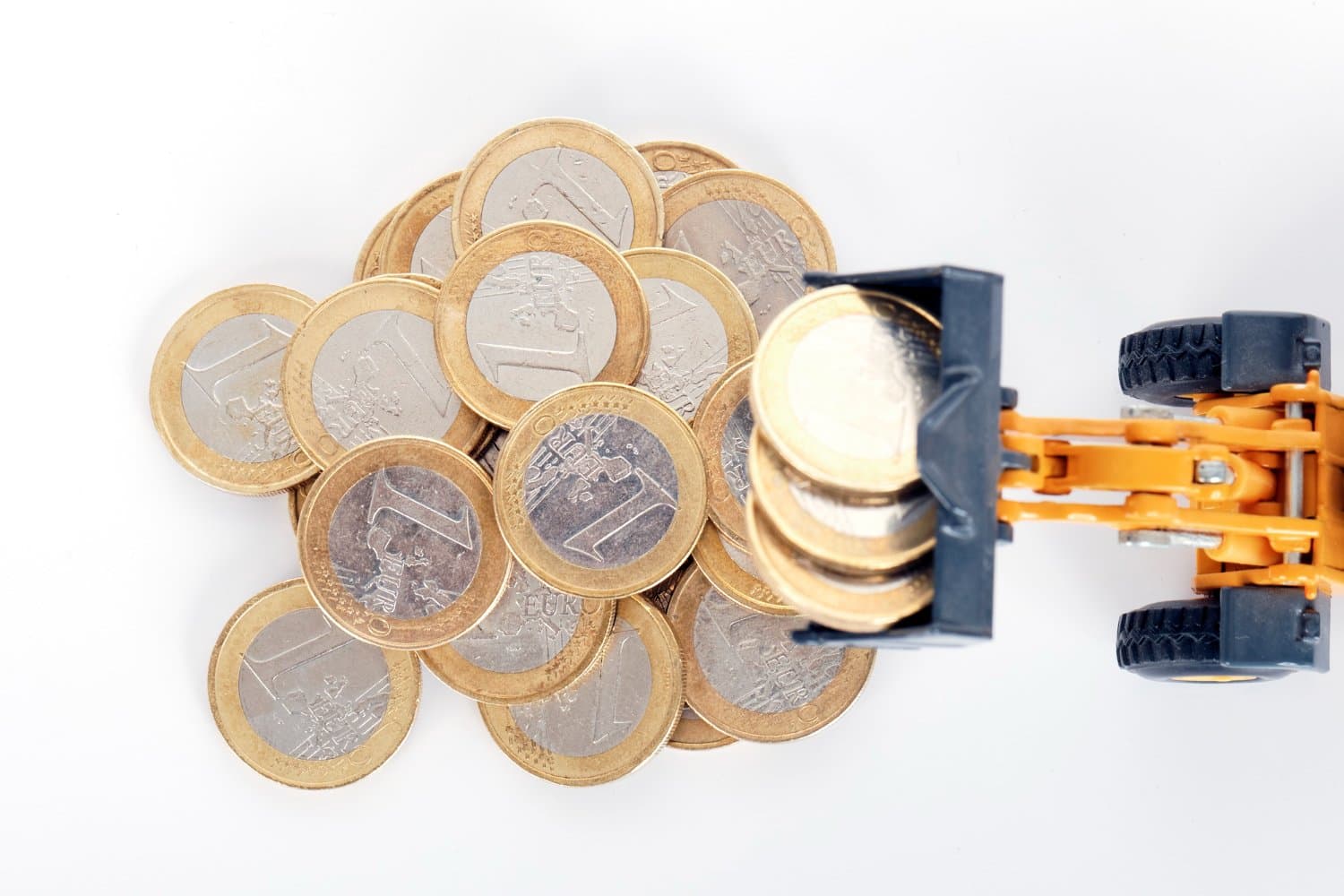
One of the biggest financial advantages of living in Vietnam is the relative strength of GBP and USD against the Vietnamese dong (VND). When earning in or holding foreign currency, your purchasing power locally can be significant.
For example:
A monthly income of £4,000 (~$5,000) can comfortably cover living costs while still allowing for savings.
Even modest foreign income can support a higher quality of life than in many Western cities.
However, currency fluctuations still matter. Poor timing on transfers or frequent small exchanges can erode this advantage over time.
Practical tip: Convert money in larger amounts when exchange rates are favourable, rather than transferring small sums monthly.
4. Budgeting with Intention, Not Assumption
While Vietnam offers excellent value, expats often fall into one of two traps: either overspending due to lifestyle inflation, or under-budgeting by assuming everything is “cheap”. A sustainable financial plan sits between these extremes.
When creating your budget, ensure it includes:
Fixed costs (rent, insurance, schooling if applicable)
Variable lifestyle expenses
Savings and investments
Emergency reserves
A sensible monthly budget for a single professional or couple typically falls between £900–£1,400 ($1,100–$1,700) excluding rent, depending on lifestyle.
Actionable step: Build your budget in GBP or USD first, then convert to VND. This keeps your long-term financial goals anchored to your home currency.
Banking: Choose Accounts That Suit Your Needs
Setting up the right banking structure is one of the most important steps for expats living and working in Vietnam. A well-organised banking setup reduces costs, improves cash flow, and gives you greater control over currency exposure.
For most expats, the key is not choosing one account, but combining the right types of accounts for different purposes.
1. Local Vietnamese Bank Accounts: Essential for Day-to-Day Life
Opening a local Vietnamese bank account is highly practical, particularly if you are paid locally or expect to live in Vietnam long term. Employers often require a local account for salary payments, and many landlords prefer rent paid domestically.

Commonly used Vietnamese banks include Vietcombank, BIDV and Techcombank. These institutions offer:
Local currency (VND) accounts
Debit cards for ATM withdrawals and local spending
Online banking (often app-based)
However, there are some limitations to be aware of. English-language support can be inconsistent, and international transfers are usually slow and expensive.
Practical considerations:
You may need a valid visa, work permit and local address to open an account.
International transfers from Vietnamese banks can incur higher fees and unfavourable exchange rates.
Withdrawal limits may apply, particularly on international cards.
Actionable insight: Use your Vietnamese account for local spending only, not for holding large balances or long-term savings.
2. International & Multi-Currency Accounts: Maintain Control and Flexibility
For UK and US expats, maintaining access to overseas banking is crucial. Many of my clients retain their UK or US accounts while adding a multi-currency digital account for daily flexibility.
If you earn in GBP or USD, maintaining an account with an international bank or a multi-currency digital bank (like Wise, Revolut, or UK/US banks with global access) makes sense.
International or digital banking solutions can offer:
GBP, USD and VND balances in one place
Lower foreign exchange fees
Faster international transfers
Transparent exchange rates
Example:
An expat earning £4,500 per month (~$5,600) could:
Keep income in GBP
Convert only what is needed into VND
Transfer surplus funds into savings or investment accounts abroad
This avoids unnecessary currency conversion and preserves purchasing power.
3. Managing Currency Risk Intentionally
Currency management is often overlooked, yet it has a meaningful impact on long-term finances. Regularly converting money without a strategy can quietly erode returns through fees and exchange rate movements.

To manage currency exposure effectively:
Hold funds in GBP or USD for savings and investments.
Convert into VND only when required for local expenses.
Avoid “auto-conversion” features that exchange funds daily.
Practical tip: Review exchange rates monthly rather than reacting to short-term fluctuations. Consistency usually outperforms impulsive timing.
4. Fees, Limits and Hidden Costs
Banking costs can add up quickly if left unchecked. Common charges include:
ATM withdrawal fees
Foreign transaction fees
International transfer fees
Currency conversion mark-ups
Even small fees matter. For example, paying a 3% FX margin on £1,000 (~$1,250) every month equates to £360 per year (~$450) in avoidable costs.
Actionable step: Request a full fee breakdown from your bank and review it annually. If fees creep up, it may be time to switch providers.
5. Building a Practical Banking Structure
In most cases, the most effective setup looks like this:
One Vietnamese VND account for salary (if local), rent and everyday expenses.
One UK or US account for savings, pensions and long-term planning.
One multi-currency account to manage transfers efficiently.
This structure creates clarity, reduces risk and simplifies financial decision-making, particularly if you plan to move again in the future.
Tax Residency: Know the Rules
Tax residency is one of the most important aspects of expat financial planning. When living and working in Vietnam, your tax position is rarely limited to just one country. Understanding where you are considered tax resident, and what income is taxable, is essential to staying compliant and avoiding unnecessary costs.
1. Vietnam’s Tax Residency Rules Explained
Vietnam determines tax residency primarily by time spent in the country. If you are present in Vietnam for 183 days or more within a 12-month period, you are generally considered a Vietnamese tax resident.

As a tax resident:
You are subject to Vietnamese personal income tax on worldwide income
This includes salary, bonuses, rental income, and potentially investment income
If you spend fewer than 183 days in Vietnam, you are typically treated as a non-resident, meaning:
You are taxed only on Vietnam-sourced income
A flat tax rate often applies to employment income earned in Vietnam
Practical insight: Even short-term stays can unexpectedly trigger residency if trips add up over time. Keep accurate travel records.
2. Progressive Tax Rates and What They Mean for You
Vietnam applies progressive income tax rates for residents, ranging from low single digits to higher marginal rates at the top end. While the system is relatively straightforward, deductions and allowances are limited compared to the UK or US.
This means:
High earners may face a meaningful tax burden
Optimising income structure becomes more important
Employer-provided benefits should be reviewed carefully
Actionable step: Review your employment contract to understand what is taxed locally versus reimbursed or structured as benefits.
3. UK Expats: Residency Still Matters Back Home
For British expats, leaving the UK does not automatically end your UK tax obligations. UK tax residency is assessed using the Statutory Residence Test, which considers:
Days spent in the UK
Ties such as property, family, or employment
Past residency history

Depending on your circumstances, you may still:
Be liable for UK tax on certain income
Need to file a UK tax return
Pay National Insurance to protect future State Pension entitlement
Important reminder: UK residency rules are nuanced. Two expats living in Vietnam may have very different UK tax outcomes.
4. US Expats: Worldwide Income Reporting Never Stops
For US citizens, tax planning requires additional care. The US taxes citizens on worldwide income regardless of residence, meaning:
You must file a US tax return annually
Foreign income, bank accounts and investments must be disclosed
Additional reporting obligations may apply for overseas assets
While relief mechanisms exist to reduce double taxation, such as exclusions or credits, compliance is non-negotiable.
Practical tip: Keep all financial records organised and accessible. Late or inaccurate filings can be costly.
5. Double Taxation Agreements: Helpful, But Not Automatic
Vietnam has double taxation agreements (DTAs) with a number of countries, including the UK. These agreements are designed to prevent the same income being taxed twice.
However, DTAs:
Do not eliminate tax automatically
Require correct reporting and documentation
Often need professional interpretation
For US citizens, DTAs function differently and do not remove filing obligations.
Actionable insight: Never assume tax has been “taken care of” simply because tax was paid in one country.
Retirement Planning: Don’t Delay
Retirement planning is one of the most commonly postponed areas of expat finance. While living and working in Vietnam can significantly reduce day-to-day expenses, the country does not provide a comprehensive state pension system for foreign residents. As a result, your retirement future depends almost entirely on the decisions you make now.
The good news is that the lower cost of living in Vietnam often creates an opportunity to save and invest more than would be possible in the UK or the US, provided you plan intentionally.
1. Understanding What Vietnam Does Not Provide
Unlike the UK or the US, Vietnam does not offer foreign workers access to a meaningful state-backed retirement safety net. Although some employers contribute to local social insurance schemes, these are typically limited in scope and not designed to support long-term retirement needs for expats.

This means:
There is no reliable local pension you can fall back on
Retirement income must be built independently
Planning responsibility sits firmly with you
Key takeaway: Your retirement strategy should be global, not Vietnam-based.
2. UK Expats: Protect and Build on Existing Entitlements
For British expats, your UK pension history remains extremely valuable. Even while living abroad, you may still:
Qualify for the UK State Pension
Be able to make voluntary National Insurance contributions
Maintain or consolidate private pensions
As of recent figures, the full UK State Pension is worth over £11,000 per year (around $14,000), making it a meaningful income stream in retirement, particularly if you plan to live in a lower-cost country.
Practical insight: Gaps in National Insurance records can often be filled retrospectively, but only for a limited time. It is worth reviewing this sooner rather than later.
3. US Expats: Stay Engaged with Long-Term Planning
For US citizens, retirement planning while abroad can be particularly complex. Although Social Security benefits remain available to qualifying individuals, contributions typically depend on continued engagement with the US tax system.

Additionally:
Some US retirement accounts restrict new contributions once living overseas
Investment choices can be affected by foreign residency rules
Reporting obligations remain ongoing
Actionable step: Regularly review your eligibility and contribution options rather than assuming existing plans will “take care of themselves”.
4. Private Retirement Savings: The Cornerstone of Expat Planning
Because state support is limited, private retirement savings form the backbone of most expat retirement plans. These may include:
UK personal or workplace pensions
US 401(k) or IRA accounts
Globally accessible investment structures
What matters most is not the number of accounts you hold, but whether they are aligned with your goals, risk tolerance and expected retirement location.
Example: An expat couple saving £1,200 per month (~$1,500) while living in Vietnam may find that lower living costs allow them to accelerate retirement timelines by several years compared to saving in London or New York.
Investing: A Global Perspective
Investing as an expat requires a broader perspective than investing at home. When you live and work in Vietnam, your financial life naturally becomes international. As a result, successful investing is less about chasing short-term opportunities and more about building a resilient, globally diversified strategy aligned with your long-term goals.
1. Start with Purpose, Not Products
Before selecting any investments, it is essential to clarify why you are investing. In my experience, expats who begin with clear objectives make more consistent and confident decisions.

Ask yourself:
What am I investing for: retirement, financial independence, education, or wealth preservation?
What time horizon am I working with?
How comfortable am I with market volatility?
These answers shape every aspect of your portfolio, from asset allocation to risk management.
Key insight: A well-structured investment plan reduces emotional decision-making, particularly during periods of market uncertainty.
2. Where Expats Commonly Invest
Most expats in Vietnam invest outside the local market, and for good reason. While Vietnam’s economy has grown rapidly, access to local investment products is often limited for foreign residents and may carry regulatory or liquidity risks.
Common investment routes include:
UK-based structures, such as pensions and other long-term investment vehicles
US retirement accounts, including IRAs and employer-sponsored plans
International investment platforms offering global market exposure
These options typically provide better transparency, regulatory protection and diversification than local alternatives.
Practical tip: Be cautious of investments marketed as “exclusive expat opportunities”. If returns sound too good to be true, they usually are.
3. Diversification: Your Primary Risk Management Tool
A global investment strategy should be diversified across:
Geographic regions
Asset classes (equities, bonds, alternatives)
Sectors and currencies

Diversification helps reduce reliance on any single market or economy and smooths returns over time. This is particularly important for expats, whose income and lifestyle may already be concentrated in one country.
Example: An investor earning and spending in Vietnam might still hold investments across the UK, US, Europe and Asia to balance economic and currency risks.
4. Currency Considerations: More Than a Technical Detail
Currency exposure is a meaningful part of investment performance. While day-to-day spending in Vietnam is in VND, long-term goals, such as retirement or education, are often linked to GBP or USD.
Key considerations include:
Holding investments in the currency of your future liabilities
Avoiding unnecessary conversions
Understanding how currency movements affect real returns
Actionable insight: Currency should be managed deliberately, not left to chance.
5. Liquidity and Access: Plan for the Unexpected
While investing for the long term is important, expats must also consider liquidity, how quickly funds can be accessed if circumstances change.
This is particularly relevant if:
You may relocate again
You change employment or visa status
Family or health needs arise
A well-balanced strategy includes:
Long-term investments for growth
Medium-term assets for flexibility
Readily accessible cash reserves
Practical tip: Avoid locking all assets into structures that are difficult or costly to unwind.
Healthcare and Insurance: Protect What Matters
Healthcare and insurance are not areas where expats can afford to take shortcuts. While Vietnam offers high-quality private medical care in major cities, access to treatment is largely fee-based. Without appropriate insurance in place, even routine medical issues can quickly become costly. More importantly, serious illness or injury without cover can create significant financial and emotional strain.
A thoughtful healthcare and insurance strategy is therefore essential to protecting both your wellbeing and your long-term financial plan.
1. Understanding Healthcare in Vietnam
Vietnam’s healthcare system is split between public and private providers. Public hospitals are affordable but often overcrowded, with limited English-speaking staff. As a result, most expats rely on private hospitals and international clinics, particularly in Hanoi and Ho Chi Minh City.

Private facilities offer:
Shorter waiting times
English-speaking doctors
Higher standards of care and comfort
Direct billing arrangements with insurers
However, private healthcare costs are higher than many expect. A simple outpatient visit can cost £40–£80 (~$50–$100), while more complex treatments or hospital stays can quickly run into the thousands.
Key insight: Vietnam is affordable, but healthcare is not “cheap” by default when using private facilities.
2. International Private Medical Insurance (IPMI): A Core Requirement
For most expats, international private medical insurance (IPMI) is the cornerstone of healthcare planning. These policies are designed for globally mobile individuals and typically provide coverage both in Vietnam and internationally.
Key benefits often include:
Inpatient and outpatient treatment
Emergency care and hospitalisation
Access to international clinics
Medical evacuation if required
Premiums vary depending on age, coverage level and insurer, but they should be viewed as a necessary part of your financial foundation rather than a discretionary expense.
Practical tip: Choose a policy that allows treatment both in Vietnam and in your home country, particularly if you expect to travel regularly.
3. Local Health Insurance: Supplementary, Not Sufficient
Some employers provide local Vietnamese health insurance, or expats may consider purchasing it independently. While local plans can help with routine care, they often come with limitations such as:
Restricted hospital networks
Lower coverage limits
Limited or no international protection

As a result, local policies are best used as a supplement, not a replacement, for comprehensive international cover.
Actionable insight: Review employer-provided insurance carefully. Do not assume it meets international standards or long-term needs.
4. Medical Evacuation: Planning for the Unexpected
One of the most overlooked aspects of expat healthcare is medical evacuation. In the event of serious illness or injury, evacuation to another country may be necessary for specialist treatment.
Without insurance, evacuation costs can exceed £40,000 (~$50,000). Comprehensive IPMI policies typically include this cover.
Key takeaway: Medical evacuation insurance is not about likelihood, it is about impact.
Savings and Emergency Funds
Savings and emergency funds form the foundation of financial stability, especially when living abroad. As an expat in Vietnam, you benefit from a lower cost of living, but you also face many unique risks.
A well-structured savings strategy ensures you are prepared for both expected and unexpected events without compromising your long-term plans.
1. Why Emergency Funds Matter More for Expats
Living overseas introduces variables that don’t always exist at home. Employment contracts may be shorter, visa conditions can change, and access to credit is often more limited for foreign residents. An emergency fund acts as a financial buffer during periods of uncertainty.

Typical scenarios where emergency savings are essential include:
Unexpected job loss or contract termination
Medical costs not fully covered by insurance
Urgent travel back to the UK or US
Currency volatility affecting income or expenses
Key insight: Emergency funds are not an investment, they are insurance for your financial plan.
2. How Much Should You Set Aside?
As a general rule, I advise expats to hold between three and six months’ worth of living expenses in easily accessible savings.
For example:
If your monthly outgoings total £1,500 (~$1,900), your emergency fund should range from £4,500–£9,000 (~$5,600–$11,300).
Families or those with variable income may prefer to hold closer to six months.
The exact amount should reflect your personal circumstances, job security and dependants.
3. Where to Hold Your Emergency Savings
Accessibility and stability are more important than returns when it comes to emergency funds. For most expats, this means holding savings in a stable currency, such as GBP or USD, rather than Vietnamese dong.

Suitable locations include:
High-interest savings accounts in the UK or US
International savings accounts with instant access
Multi-currency digital accounts
Avoid tying emergency funds up in:
Long-term investments
Illiquid assets
Local accounts with transfer restrictions
Practical tip: Ensure at least part of your emergency fund can be accessed within 24–48 hours.
4. Currency Considerations and Peace of Mind
While daily expenses in Vietnam are paid in VND, emergency situations often require international spending: flights, medical treatment abroad, or temporary accommodation elsewhere. Holding emergency savings in GBP or USD reduces reliance on currency conversion during stressful periods.
Actionable insight: Treat your emergency fund as a global safety net, not a local one.
5. Building Savings Consistently
One of the advantages of living in Vietnam is the ability to save more each month due to lower living costs. Rather than allowing lifestyle spending to expand, I encourage clients to automate savings wherever possible.

Simple strategies include:
Transferring a fixed amount to savings immediately after salary payment
Increasing savings contributions when expenses drop
Reviewing savings targets annually
Example: An expat saving £800 per month (~$1,000) could fully fund a six-month emergency reserve within a year, without sacrificing quality of life.
6. Separating Emergency Funds from Long-Term Savings
It is important to distinguish between emergency savings and long-term goals such as property, education or retirement. Combining these can create confusion and lead to poor decision-making during emergencies.
A clear structure might look like:
Emergency fund: short-term, liquid, low risk
Medium-term savings: planned expenses within 3–5 years
Long-term investments: growth-oriented assets
Key takeaway: Clear separation brings clarity and confidence.
Estate Planning and Legal Documents
Estate planning is not just about preparing for the worst; it is about ensuring clarity, control and protection for those you care about. For expats living and working in Vietnam, estate planning carries additional complexity because assets, family members and legal jurisdictions often span multiple countries. Without proper planning, even modest estates can become difficult and costly to administer.
Putting the right legal documents in place now can prevent significant complications later and bring lasting peace of mind.
1. Why Estate Planning Is More Complex for Expats
As an expat, you may hold assets in several jurisdictions, such as property in the UK or US, investment accounts overseas, and cash held internationally. Each country may apply different inheritance laws, tax rules and legal procedures.

Key challenges include:
Conflicting inheritance laws between countries
Delays in asset distribution
Increased legal costs for beneficiaries
Unintended outcomes due to outdated documents
Key insight: Estate planning for expats should be coordinated internationally, not handled in isolation.
2. Wills: One Size Does Not Fit All
A valid and up-to-date will is the cornerstone of estate planning. However, expats should be cautious about relying on a single will to cover assets in multiple countries.
In many cases, it may be appropriate to:
Maintain a primary will in your home country
Draft a separate will for assets held elsewhere
Ensure documents do not conflict with one another
This approach can help streamline probate processes and reduce administrative delays.
Practical tip: Any new will should explicitly state whether it revokes previous versions, this avoids unintended consequences.
3. Powers of Attorney: Planning for Incapacity
Estate planning is not only about death; it is also about incapacity. A power of attorney allows someone you trust to manage your affairs if you are unable to do so due to illness or injury.

As an expat, this can be particularly important if:
Your family lives in another country
You hold assets across borders
You are self-employed or managing investments actively
Without a valid power of attorney, access to accounts and decision-making authority can be severely restricted.
Actionable insight: Review whether your existing powers of attorney remain valid while living abroad.
4. Beneficiary Designations: Small Details, Big Impact
Many financial assets, such as pensions, investment accounts and insurance policies, pass according to beneficiary nominations rather than a will. Outdated or missing beneficiary details can override even the most carefully drafted estate plan.
I encourage clients to:
Review beneficiaries annually
Update nominations after major life events
Ensure consistency across all accounts
Example: A pension held in the UK with an outdated beneficiary designation could bypass your current estate intentions entirely.
5. Guardianship and Family Considerations
For expats with children, estate planning should also address guardianship. Living abroad may complicate decisions about who would care for your children and where they would live in the event of your death.

Clear instructions in a will help:
Avoid uncertainty
Reduce family disputes
Provide guidance during an already difficult time
6. Working with the Right Professionals
Because estate planning laws differ by country, expats benefit greatly from working with professionals experienced in cross-border planning. This may include:
Solicitors familiar with international estates
Tax advisers for inheritance considerations
Financial advisers to ensure alignment with long-term plans
Key takeaway: Coordination between advisers is essential to avoid gaps or conflicts.
Why a Vietnam-Based Financial Adviser Makes a Difference
Living and working in Vietnam creates financial opportunities, but also layers of complexity across currencies, tax systems, regulations and long-term planning. This is where working with a financial adviser who is also based in Vietnam, such as Benjamin Sharvell IFA, becomes essential.
1. Local Knowledge You Can Rely On
An adviser on the ground understands how things actually work, from local banking and insurance to employer benefits and money transfers. This practical insight cannot be replicated by advisers who have never dealt with Vietnam directly.

2. Connecting Your Global Finances
Most expats manage money across multiple countries. A Vietnam-based adviser helps bring everything together into one clear strategy, so your tax planning, investments, retirement and estate plans all support the same long-term goals.
3. Proactive, Not Reactive
Rather than fixing problems after they arise, the right adviser helps you structure your finances correctly from the start and adapt as your career, visa status or family situation changes.
In short: a Vietnam-based financial adviser helps you make confident decisions today, while protecting your future wherever you go.
Take Control of Your Financial Future in Vietnam
Living and working in Vietnam as an expat can be highly rewarding. With thoughtful financial advice for expats, you can protect your income, grow your wealth, and pursue your long-term goals with confidence.
If you’d like personalised guidance tailored to your unique situation, feel free to reach out, I’m always happy to help.
Get in touch with our team today for a free consultation!