

Relocating abroad is never a small decision, particularly when it involves a dynamic and fast-evolving destination such as Ho Chi Minh City. As someone who has spent years advising expatriates on how to structure their finances effectively while living overseas, I understand both the excitement and the complexity that comes with such a move.
This guide is designed to give UK-based readers a clear, practical, and realistic understanding of living in Ho Chi Minh City in 2026, from cost of living and lifestyle considerations to financial planning and long-term wealth management.
Why Expats Are Choosing Ho Chi Minh City
Ho Chi Minh City (often still referred to as Saigon), a major city in Vietnam, continues to attract expatriates from across the globe and for good reason.
The city offers:
Strong Economic Growth and Career Opportunities
One of the primary reasons expats are drawn to living in Ho Chi Minh City is the strength of its economic growth. Vietnam continues to position itself as one of Southeast Asia’s fastest-growing economies, and Ho Chi Minh City sits firmly at the centre of that expansion.
As a result, opportunities are increasing across sectors such as technology, education, manufacturing, and professional services. For UK expats in particular, this creates a favourable environment to either advance a career or explore new professional pathways.
A Lower Cost of Living with Higher Potential
Another key driver is affordability. Compared to most UK cities, particularly London, the cost of everyday life remains significantly lower.
As outlined in the cost of living section, monthly expenses can range between £1,100 and £2,200 depending on lifestyle. This creates an opportunity not only to maintain a comfortable standard of living, but also to increase savings and investment contributions.
However, it is worth noting that this advantage only materialises when spending is managed carefully. Without structure, lower costs can easily be offset by lifestyle inflation.
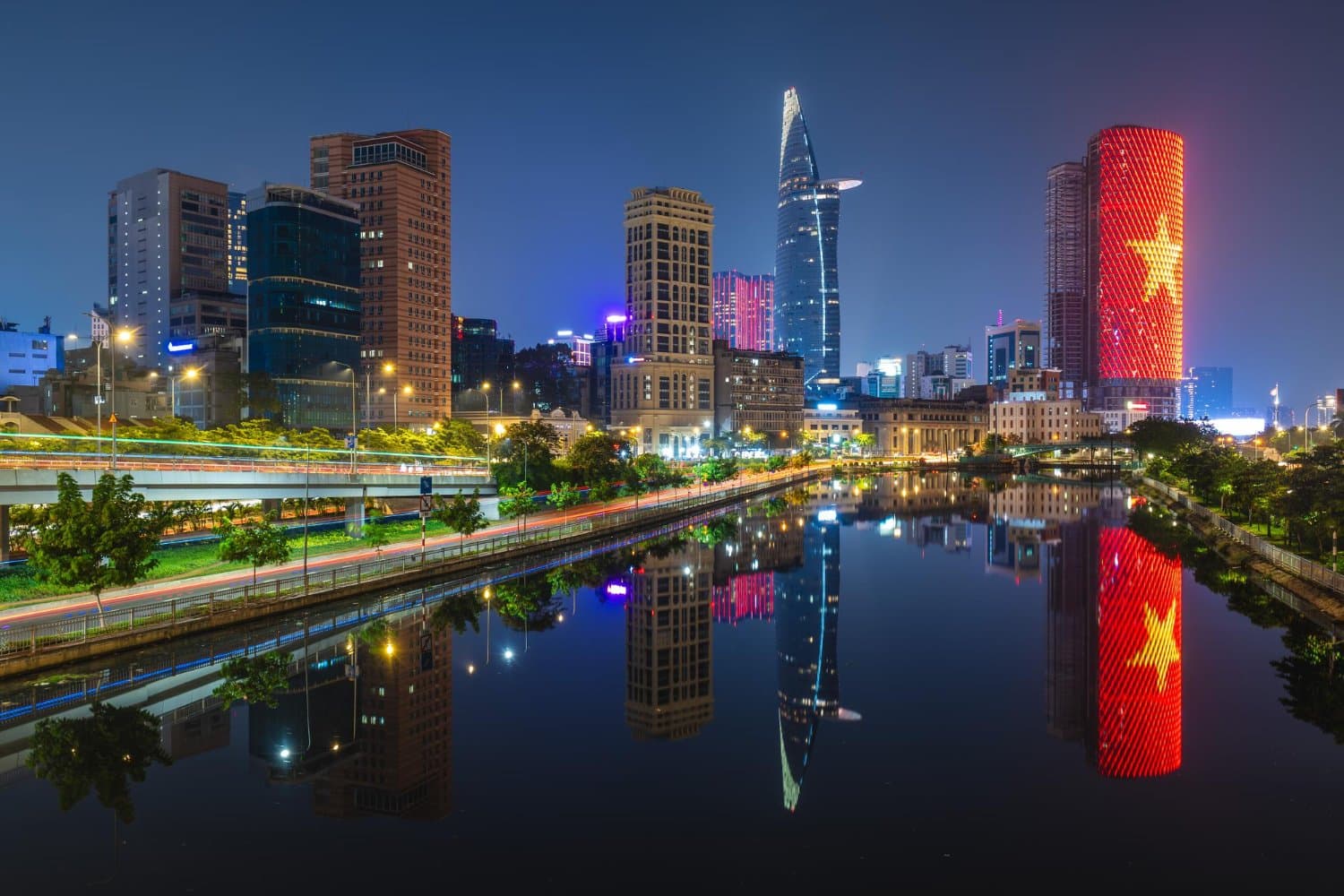
A Vibrant and Evolving Lifestyle
Beyond financial considerations, Ho Chi Minh City offers a lifestyle that is both dynamic and engaging. The city blends traditional Vietnamese culture with a rapidly modernising urban environment, creating a unique day-to-day experience.
From its renowned street food culture to its growing selection of international restaurants and cafés, there is always something to explore. At the same time, a well-established expat community provides opportunities to connect, both socially and professionally.
This combination makes it particularly appealing for those seeking not just a change in location, but a change in lifestyle.
A Strategic Base for Regional Travel
Another often overlooked advantage of living in Ho Chi Minh City is its location. The city serves as a convenient hub for travel across Southeast Asia.
Destinations such as Thailand, Singapore, and Bali are all within relatively short flight times, making weekend or short-break travel both accessible and affordable. For many expats, this adds an additional layer of lifestyle value that would be far more costly if based in the UK.
Over time, however, frequent travel can become a notable expense, so it is important to factor this into your overall financial planning.
A Balance of Opportunity and Lifestyle
Ultimately, what makes Ho Chi Minh City particularly attractive is the balance it offers. On one hand, there are clear financial advantages: lower costs, growing opportunities, and the potential to save more. On the other, there is a rich and engaging lifestyle that enhances the overall expat experience.
For those who approach the move with a clear plan, living in Ho Chi Minh City can provide both professional progression and personal fulfilment, a combination that is increasingly difficult to achieve elsewhere.
Cost of Living: What to Expect in 2026
Understanding your cost base is one of the most important steps when planning a move. While living in Ho Chi Minh City remains relatively affordable compared to the UK, clarity and discipline are essential if you want to fully benefit from the lower cost environment.
Below, I have expanded each key expense area to give you a more practical, real-world perspective. Do note, however, that the following numbers are generalised, offering you an initial look into how the typical expat might spend when living in the city.
Rent (1–2 Bedroom Apartment in Central Districts): £600 – £1,200
Accommodation will almost certainly be your largest monthly expense, and the range here reflects both location and lifestyle choices.

For instance, at the lower end (around £600–£800), you can expect a modern one-bedroom apartment in a good building, often slightly outside the most premium areas or with fewer amenities. As you move towards £1,000–£1,200, you are typically looking at newer developments in areas such as Thao Dien (District 2), which often include facilities like swimming pools, gyms, and 24/7 security.
To put this into perspective, spending £1,000 per month equates to £12,000 annually, still significantly less than renting in London, but a meaningful commitment relative to local costs.
Practical guidance:
Before committing, I advise expats to:
View multiple properties in person rather than relying on online listings
Negotiate lease terms (landlords often expect it)
Clarify whether fees such as management, parking, or maintenance are included
A common mistake is overcommitting to luxury accommodation early on, which can quietly erode your ability to save.
Utilities & Internet: £80 – £150
Utilities in Ho Chi Minh City are generally affordable, but they are highly sensitive to usage, particularly air conditioning.
Electricity costs can vary dramatically depending on your habits. For example, running air conditioning overnight every day can easily double your electricity bill. A typical breakdown might look like:
Electricity: £40–£100
Water: £5–£15
Internet: £10–£20
Cleaning or building services (if applicable): £20–£40
This means a conservative monthly estimate of £80 is achievable, but £120–£150 is more realistic for most expats living comfortably.
Practical guidance:
Confirm whether electricity is billed at local rates or inflated “expat rates”
Check if internet is included in your rent
Budget higher during hotter months when air conditioning use increases
Small inefficiencies here can compound over time, particularly if not monitored.
Groceries & Dining: £250 – £500
Food is where living in Ho Chi Minh City can feel exceptionally affordable, but also where lifestyle choices make the biggest difference.
If you are comfortable eating local cuisine regularly, you can spend as little as £2–£5 per meal. This means a monthly food budget closer to £250 is entirely achievable.

However, many UK expats prefer a mix of local and Western options. Imported goods (cheese, wine, cereals, etc.) are significantly more expensive, and dining in international restaurants can cost £15–£30 per meal.
A realistic blended scenario might look like:
Weekday local meals: £3 × 20 days = £60
Weekend dining (mid-range): £25 × 8 meals = £200
Groceries and snacks: £150
This already totals approximately £410 per month.
Practical guidance:
Shop at a mix of local markets and international supermarkets
Be mindful of imported goods, which quickly inflate costs
Use food delivery apps strategically, as convenience often leads to overspending
The key here is balance, you can enjoy an excellent lifestyle without losing financial discipline.
Transport (ride-hailing, taxis, occasional private hire): £50 – £120
Transport costs are refreshingly low compared to the UK, particularly if you rely on ride-hailing services such as Grab.
A typical short journey may cost just £1–£3, which means even frequent use remains affordable. For example:
Daily commute (short distance): £2 × 20 days = £40
Social and weekend travel: £30–£60
This brings most expats into the £70–£100 range monthly.
Some individuals choose to rent or purchase a motorbike; however, this introduces additional considerations such as insurance, maintenance, and safety risks.
Practical guidance:
Use ride-hailing apps for transparency and cost control
Avoid informal taxis where pricing may be inconsistent
Only consider driving yourself if you are fully comfortable with local traffic conditions
Transport is one of the few areas where convenience does not necessarily come at a high cost.
Gym, Leisure, and Socialising: £100 – £300
Your lifestyle choices will largely determine how much you spend in this category.
A basic local gym membership may cost as little as £20–£40 per month, whereas premium fitness clubs or wellness centres can exceed £100. Social activities, including cafés, bars, and events, can also vary widely.

For example:
Gym membership: £50
Weekly café visits: £5 × 12 = £60
Occasional nights out or events: £100–£150
This places a typical monthly spend around £200–£250.
Practical guidance:
Decide early on what “lifestyle” means to you and budget accordingly
Be cautious of habitual spending (daily coffees, frequent dining out)
Take advantage of low-cost or free activities such as parks and local exploration
This category often expands unnoticed, so it is worth reviewing regularly.
Bringing It All Together
If we combine these realistic mid-range figures:
Rent: £1,000
Utilities: £120
Food: £400
Transport: £90
Leisure: £200
Estimated total: £1,810 per month
This equates to approximately £21,700 per year, which remains highly competitive compared to the UK.
Where to Live in Ho Chi Minh City
Where you choose to live will have a direct and ongoing impact on your cost of living, lifestyle, and overall experience. In many ways, this decision ties closely to the figures outlined earlier in the section on Cost of Living, particularly when it comes to rent, transport, and lifestyle spending.
A well-considered location can help you stay within budget while maintaining a high quality of life. Conversely, choosing purely based on convenience or appearance can quickly push your monthly costs towards the upper end of, or even beyond, the £2,200 range we discussed.
Below is a more detailed breakdown of the most popular areas for expats.
District 1: Central, Vibrant, and Convenient
District 1 is the commercial and cultural heart of Ho Chi Minh City. If you value proximity and convenience above all else, this is where you will likely feel most at home.

Living here means you are within walking distance of offices, restaurants, cafés, and entertainment. As a result, you may find that your transport costs decrease significantly, often falling below the £50–£70 range mentioned earlier. However, this convenience comes at a premium.
Rental prices in District 1 tend to sit at the higher end, typically £900 to £1,200 for a modern one-bedroom apartment, and often more for newer developments. This alone can push your total monthly budget closer to £2,000 or beyond.
Practical insight: If your workplace is located in District 1, paying higher rent may actually be financially efficient when you factor in reduced commuting time and costs. However, if you work remotely, the premium may not justify itself.
District 2 (Thao Dien): Expat-Friendly and Lifestyle-Oriented
District 2, particularly the Thao Dien area, is widely regarded as the expat hub. It offers a quieter, more residential environment with a strong sense of community.
You will find:
International schools
Western-style supermarkets
Cafés, restaurants, and co-working spaces tailored to expats
Rental costs here are similar to, or slightly higher than, District 1 for comparable quality, generally ranging from £800 to £1,200. However, apartments are often larger and better suited to long-term living, particularly for families.
That said, your transport costs may increase, especially if you commute into District 1 regularly. A daily return trip could add £60–£100 per month to your transport budget.
Practical insight: District 2 tends to encourage a higher lifestyle spend. Imported groceries, brunch culture, and social activities can easily push your food and leisure budget towards the £500 and £300 upper ranges discussed earlier.
District 7: Modern, Spacious, and Family-Friendly
District 7, particularly the Phu My Hung area, offers a more planned and spacious living environment. It is especially popular with families and those seeking a quieter pace of life.
Compared to District 1 and District 2, your rental budget can go further here. A modern one- or two-bedroom apartment may cost between £600 and £1,000, often with more space and better facilities.

However, this affordability comes with a trade-off: distance from the city centre.
Regular commuting can:
Increase your monthly transport costs to £100–£120
Add time to your daily routine
Reduce flexibility for spontaneous social activities
Practical insight:
District 7 works particularly well if:
You work remotely
Your office is located in the south of the city
You prioritise space and a quieter environment over central convenience
Bringing Location and Cost Together
Your choice of district directly influences nearly every category discussed in the Cost of Living section:
Rent: Central areas command a premium, while outer districts offer better value per square metre
Transport: Living centrally reduces costs; living further out increases them
Food and lifestyle: Expat-heavy areas often lead to higher discretionary spending
Time: An often-overlooked cost, longer commutes can impact both productivity and quality of life
A useful way to think about this is in terms of trade-offs:
Paying higher rent in District 1 may reduce transport and save time
Living in District 2 may improve lifestyle but increase discretionary spending
Choosing District 7 may lower rent but increase commuting costs and time
There is no universally “correct” choice, only what aligns best with your financial priorities and lifestyle goals.
Working and Business Environment
Your professional situation is one of the most influential factors when living in Ho Chi Minh City, not only in terms of income, but also how your overall cost of living is structured. In many cases, your employment type will directly determine whether your monthly budget sits closer to £1,100 or stretches beyond £2,200.
Just as we explored in the earlier sections on cost of living and location, your working arrangement affects key expenses such as rent, transport, taxation, and even lifestyle spending. Understanding this relationship early on allows you to plan more effectively and avoid common financial inefficiencies.
Employment Opportunities: Where Expats Fit In
Ho Chi Minh City continues to offer strong job opportunities for expatriates, particularly in sectors such as technology, education, manufacturing, and professional services.

For UK expats, the most common routes into employment include:
Roles within multinational companies
Teaching positions (especially English-language education)
Specialist roles in finance, consulting, or management
Salaries vary widely depending on your industry and experience. For example:
Teaching roles may range from £1,200 to £2,500 per month
Mid-level corporate roles may fall between £2,000 and £4,000 per month
Senior or specialist positions can exceed £5,000 per month
Practical insight: At the lower end of the salary range, your cost of living discipline becomes critical. For instance, earning £1,500 per month while paying £1,000 in rent (as outlined in earlier sections) leaves limited room for savings. Conversely, higher salaries allow you to take full advantage of the lower-cost environment.
Remote Work: Flexibility with Hidden Trade-Offs
An increasing number of expats are choosing to work remotely for UK or international employers while based in Vietnam.
At first glance, this appears highly advantageous, earning in pounds while spending in Vietnamese dong. However, there are important considerations.
From a cost perspective:
You may choose to live further from the city centre (e.g. District 2 or District 7), reducing rent or increasing space
Transport costs may decrease if commuting is minimal
However, lifestyle spending can increase due to greater flexibility (cafés, co-working spaces, dining out)
For example, saving £200 on rent by living further out may be offset by an additional £150–£200 in lifestyle and leisure spending if not managed carefully.
Practical guidance:
Establish a structured working routine to avoid lifestyle drift
Track discretionary spending, particularly on cafés and dining
Consider co-working memberships only if they genuinely improve productivity
Remote work can be financially advantageous, but only when paired with discipline.
Starting a Business: Opportunity with Complexity
Vietnam is an increasingly attractive destination for entrepreneurs, offering access to a growing consumer market and relatively low operating costs.

However, setting up and running a business locally involves:
Regulatory requirements and licensing
Tax obligations
Administrative processes that may differ significantly from the UK
While operational costs (such as staffing and rent) can be lower than in the UK, professional support, legal, accounting, and advisory, is essential and should be factored into your budget.
Practical insight: Many expats underestimate the indirect costs of running a business. While office rent may be modest, compliance, legal structuring, and time investment can add up quickly.
From a financial planning perspective, business owners should:
Separate personal and business finances clearly
Maintain cash reserves for operational stability
Plan for irregular income, particularly in early stages
Income, Currency, and Financial Efficiency
One of the most overlooked aspects of living in Ho Chi Minh City is how your income currency interacts with your expenses.
If you earn in GBP but spend in VND:
You may benefit from favourable exchange rates
However, fluctuations can impact your effective income
For example, a 5–10% movement in exchange rates can meaningfully alter your monthly purchasing power, the difference between comfortably covering a £1,800 lifestyle or needing to reduce discretionary spending.
Practical guidance:
Avoid converting large sums at unfavourable rates
Consider holding funds across multiple currencies
Align your savings and investments with your long-term plans (e.g. returning to the UK vs remaining overseas)
This is an area where strategic planning can significantly improve outcomes over time.
Tax Considerations: Often Overlooked, Always Important
Your employment status will determine your tax obligations, both in Vietnam and potentially in the UK.

Key factors include:
Your residency status in Vietnam
Whether your income is sourced locally or internationally
Existing UK tax ties
Failure to plan here can lead to:
Double taxation
Missed relief opportunities
Compliance risks
Bringing Work and Cost of Living Together
Your working arrangement ultimately determines how sustainable your life in Ho Chi Minh City will be.
To connect this clearly with earlier sections:
A higher, stable income allows you to comfortably afford central living (District 1) and maintain savings
A moderate income requires more careful balancing, perhaps living in District 2 or 7 while controlling lifestyle costs
A variable or lower income demands strict budgeting, particularly around rent and discretionary spending
The key is alignment.
Banking, Currency, and Financial Considerations
When it comes to living in Ho Chi Minh City, this is the area where I see the greatest number of costly mistakes, not because it is overly complex, but because it is often underestimated.
As we explored in the Cost of Living section, your monthly expenses may range between £1,100 and £2,200. However, how efficiently you manage your banking, currency, and financial structure will ultimately determine how much of your income you retain, save, and grow over time.
Currency and Exchange: Small Movements, Meaningful Impact
If you are earning in pounds but spending in Vietnamese dong, exchange rates become a central part of your financial life, whether you actively manage them or not.
To put this into context, the example above shows how £1,000 converts into Vietnamese dong at current rates. For most expats, this conversion happens regularly, whether for rent, living expenses, or lifestyle spending.
Now consider this:
If your monthly budget is £1,800, that is converted every month into local currency
A 5% shift in exchange rates effectively changes your spending power by £90 per month
Over a year, that equates to £1,080 gained or lost purely due to timing and currency movements
Practical guidance:
Avoid converting large lump sums without considering timing
Use regulated foreign exchange providers rather than relying solely on high-street banks
Where possible, stagger conversions to reduce exposure to short-term volatility
Currency is not just a technical detail, it is a silent cost (or benefit) that directly links to your cost of living.
Banking Structure: Local vs International Accounts
A common question I receive is whether you should bank locally, internationally, or both. In practice, an effective structure usually involves a combination.
For day-to-day life in Ho Chi Minh City, a local Vietnamese bank account is essential. It allows you to:
Pay rent and utilities efficiently
Avoid unnecessary transaction fees
Use local payment systems and mobile wallets
However, holding all your funds locally is rarely advisable.
Maintaining a UK or offshore account provides:
Stability in GBP
Easier access to international investments
Protection against currency concentration risk
Practical insight:
Think of your finances in layers:
Local account → short-term spending (aligned with your monthly cost of living)
International account → savings and long-term planning
This separation helps prevent overspending while keeping your financial strategy aligned with your future goals.
Managing Cash Flow Across Currencies
One of the key challenges of living in Ho Chi Minh City is managing cash flow between two currencies without creating inefficiencies.

For example:
Your rent (£1,000 equivalent) and living costs (£800 equivalent) require regular conversion
If poorly timed, repeated transfers can lead to cumulative losses through fees and exchange rates
A more structured approach might look like:
Converting 2–3 months of living expenses at a time
Keeping a buffer in your local account to avoid urgent transfers
Monitoring exchange trends rather than reacting to them
Practical guidance:
Avoid frequent small transfers, which often carry higher proportional costs
Use budgeting tools to map your monthly outgoings in both GBP and VND
Maintain a clear view of how much you are actually spending in sterling terms
Clarity here is essential, without it, your “affordable” lifestyle can quietly become inefficient.
Tax Considerations: Protecting Your Net Income
Tax is one of the most critical, and often overlooked, aspects of financial planning abroad.
As discussed in the previous section on working and business environment, your tax position will depend on:
Your residency status in Vietnam
The source of your income (local vs overseas)
Your ongoing ties to the UK
The impact is not theoretical, it directly affects your disposable income.
For instance:
If your effective tax rate increases unexpectedly by even 10%, a £3,000 monthly income could reduce by £300
This alone could cover, or eliminate, your entire leisure or savings budget outlined earlier
Practical guidance:
Seek clarity on your tax residency status early
Ensure compliance in both jurisdictions where applicable
Structure income and investments efficiently to avoid unnecessary liabilities
Tax planning is not about avoidance, it is about efficiency and certainty.
Aligning Finances with Your Long-Term Plans
Ultimately, your financial setup should reflect not just where you live now, but where you intend to be in the future.
Ask yourself:
Will you return to the UK, or remain overseas long-term?
In which currency will you eventually retire?
Are your savings and investments aligned with that outcome?
For example:
If your long-term goal is UK-based retirement, maintaining GBP-denominated investments is crucial
If you plan to remain in Asia, a more diversified currency exposure may be appropriate
Practical insight: Many expats focus heavily on reducing their monthly cost of living, which is important, but overlook how their broader financial structure supports (or undermines) their long-term objectives.
Healthcare and Insurance
Healthcare is one of the most important, yet often underestimated, considerations when living in Ho Chi Minh City. While the city offers access to a wide range of medical services, the quality, cost, and accessibility can vary significantly. For expats, the key is not simply whether healthcare exists, but whether you are properly protected financially and medically when you need it most.
As with the earlier sections on cost of living and financial planning, your healthcare decisions directly influence your monthly budget, long-term financial security, and peace of mind.
International Hospitals: High Quality, High Cost
Ho Chi Minh City is home to several internationally accredited hospitals that cater specifically to expatriates and higher-income locals. Facilities such as FV Hospital and Vinmec Central Park International Hospital are well regarded for their modern equipment, English-speaking staff, and internationally trained doctors.

However, the key trade-off here is cost.
For example:
A general consultation may cost £40–£80
Specialist appointments can range from £80–£150
Emergency treatment or hospital admission can quickly exceed £500–£2,000+ per night, depending on severity and treatment required
To put this into perspective, a single emergency visit could equal one to two months of basic healthcare insurance premiums in the UK, making insurance not optional, but essential.
Practical guidance:
If you choose to use international hospitals, as most expats do, ensure your insurance policy explicitly covers:
Inpatient and outpatient treatment
Emergency evacuation (if needed)
Specialist consultations and diagnostics
Without this, even minor incidents can create significant financial strain.
Local Hospitals: Affordable but Limited for Expats
Alongside international facilities, Vietnam also has a wide network of public and local hospitals. These are significantly more affordable, but they operate under a very different system.
For example:
Consultation fees may be as low as £5–£15
Basic treatments and medications are inexpensive compared to Western standards
However, there are important limitations:
Longer waiting times
Fewer English-speaking staff
Variable standards of comfort and privacy
Inconsistent administrative processes
While some expats do use local hospitals for minor issues or routine prescriptions, most prefer international facilities for anything beyond basic care.
Practical insight: Think of local hospitals as a cost-saving option for minor, non-urgent needs, not as your primary healthcare solution. Attempting to rely on them exclusively may create unnecessary stress during more serious situations.
Private Health Insurance: Essential, Not Optional
Private health insurance is not just recommended when living in Ho Chi Minh City, it is fundamental to protecting both your health and your finances.

A typical expat insurance policy might cost:
£400–£1,200 per year for basic to mid-range coverage
£1,200–£3,000+ per year for comprehensive global coverage including high-end hospitals
To understand the value proposition, consider this simple comparison:
Annual insurance cost: £800 (example mid-range plan)
One night in a private hospital ICU: £1,000–£2,000+
In other words, one medical emergency could exceed an entire year’s insurance premium.
Practical guidance:
When selecting a policy, ensure it includes:
Direct billing with international hospitals in Ho Chi Minh City
Coverage for chronic and pre-existing conditions (where possible)
Emergency evacuation and repatriation to the UK if required
Outpatient care, not just hospitalisation
Many expats underestimate outpatient costs, but frequent consultations, scans, and prescriptions can accumulate quickly, often reaching £100–£300 per month without insurance support.
Healthcare Planning: Aligning Protection with Lifestyle
Healthcare planning should not be treated in isolation. Instead, it should be aligned with your overall financial structure — much like rent, transport, and currency management.
For example:
A younger single professional may prioritise basic international coverage at £400–£800 per year
A family with children may require £1,500–£3,000+ per year for comprehensive protection
Individuals with existing health conditions should expect higher premiums but also greater necessity for coverage
Practical insight: When budgeting for living in Ho Chi Minh City, I advise clients to treat insurance as a fixed essential cost, similar to rent or utilities, rather than a discretionary expense. This ensures it is never overlooked when managing monthly cash flow.
Real-World Example: The Cost of Being Uninsured
To illustrate the importance clearly, consider a simple scenario:
An expat experiences appendicitis requiring emergency surgery:
Hospital admission: £1,200
Surgery: £2,500
Aftercare and medication: £500
Total cost: £4,200
Without insurance, this becomes an immediate and unplanned financial burden. With appropriate coverage, the out-of-pocket cost may be reduced to a small deductible or even zero, depending on the policy.
This is not an extreme case, it is a realistic example of how quickly healthcare costs can escalate.
Education for Families
For families considering living in Ho Chi Minh City, education is often one of the most decisive factors in whether a move feels sustainable in the long term. While the city offers a growing number of good international schools, the financial commitment and planning required are significant, and they need to be viewed in the context of your wider cost of living and financial strategy.
As we explored earlier, your monthly expenditure in Ho Chi Minh City can range from approximately £1,100 to £2,200 for an individual. However, once children’s education is included, this figure can increase substantially, and in some cases may double. This is why education planning should never be treated in isolation from your broader financial structure.
International Schools: High Standards with Significant Costs
Ho Chi Minh City is home to a well-established network of international schools offering British, American, and International Baccalaureate (IB) curricula. Schools such as British International School Ho Chi Minh City and Saigon South International School are among the most popular choices for expatriate families.

These schools are attractive because they offer:
Continuity with UK or international education systems
Strong English-language instruction
Modern facilities and extracurricular programmes
A familiar academic structure for relocating families
However, the cost reflects this quality.
Annual tuition for international schools typically ranges from:
£8,000–£12,000 per child for lower primary levels
£12,000–£20,000+ per child for secondary education
To put this into perspective, a family with two children could easily face annual schooling costs of £25,000–£35,000, which may exceed their entire housing and living expenses combined.
Practical insight: This is where financial planning becomes essential. Many families underestimate education inflation, particularly as children progress into higher year groups where fees increase significantly.
Location and School Choice: A Financial Decision as Much as a Lifestyle One
Where you choose to live in Ho Chi Minh City is often directly influenced by school selection. As discussed earlier in the Where to Live section, Districts 2 and 7 are particularly popular with families, and this is not accidental.
Living near international schools:
Reduces commuting time and transport costs
Improves daily routine stability for children
Often increases rental costs due to demand
For example, living in Thao Dien (District 2) may increase your rent by £200–£400 per month compared to less expat-focused areas. However, this may be offset by reduced transport costs and improved quality of life for your family.
Practical guidance:
When evaluating housing, it is important to consider:
School catchment proximity (even if informal)
Daily commute times for children
Long-term rental stability in school-dense areas
In many cases, paying slightly more for rent can improve overall family efficiency and reduce daily stress significantly.
Hidden Costs Beyond Tuition Fees
While tuition is the largest expense, it is not the only cost associated with international education.

Families should also account for:
Registration and enrolment fees (often £500–£2,000 upfront)
Uniforms, transport, and school meals (£50–£200 per month per child)
Extracurricular activities such as sports, music, or trips (£200–£1,000+ annually)
When combined, these additional costs can add several thousand pounds per year per child.
For example:
Tuition: £15,000
Additional costs: £2,000–£3,000
Total annual cost per child: £17,000–£18,000+
Practical insight: These “secondary costs” are often overlooked during initial planning but can materially affect your monthly cash flow. It is therefore important to incorporate them into your overall budget from the outset, rather than adjusting later.
Education Planning and Long-Term Financial Strategy
From a financial planning perspective, education costs should be viewed as a long-term liability rather than a short-term expense.
As I often advise expat clients, the key questions are not only:
Can you afford school fees today?
But also:Can you sustain these costs for 10–15 years?
How will fees evolve as your children progress?
How does this align with your retirement and savings goals?
For example, a family paying £20,000 per year per child over 10 years is committing to a potential £200,000+ per child educational investment. This level of commitment requires structured planning, particularly when combined with housing, healthcare, and lifestyle costs discussed in earlier sections.
Practical guidance:
Families should consider:
Setting aside dedicated education savings accounts
Aligning investment strategies with long-term tuition growth
Reviewing currency exposure, particularly if income is in GBP but fees are paid in USD or VND
Bringing Education into the Wider Cost of Living Picture
When we connect education back to the broader financial framework of living in Ho Chi Minh City, the impact becomes very clear.
A single professional may live comfortably on £1,500–£2,000 per month
A family with two children in international schools may require £4,000–£6,000+ per month depending on lifestyle and housing choices
This is why education is often the single largest variable in expat budgeting.
It also reinforces an important principle: your cost of living is not fixed, it is shaped heavily by your family structure and long-term decisions.
Lifestyle and Culture
One of the most compelling reasons people choose living in Ho Chi Minh City is the lifestyle itself. Beyond the financial considerations discussed earlier, such as rent, transport, and healthcare, the city offers a daily experience that is energetic, social, and constantly evolving.
However, it is also a city of contrasts. Understanding both the benefits and the challenges is essential if you want to settle in comfortably and make informed lifestyle decisions that align with your financial plan.
A City That Moves Quickly: Energy, Noise, and Opportunity
Ho Chi Minh City is fast-paced, busy, and highly energetic. Streets are filled with motorbikes, businesses operate late into the evening, and there is a constant sense of movement.

For many expats, this energy is one of the most exciting aspects of daily life. It creates opportunities to:
Network socially and professionally
Explore new businesses and communities
Engage with a rapidly developing urban environment
However, it also requires adjustment. Noise levels, traffic congestion, and sensory intensity can feel overwhelming at first, particularly for those coming from quieter UK cities.
Practical insight: Many expats underestimate the mental adjustment required. The key is not to resist the pace of the city, but to build routines that allow balance, such as quieter residential living in District 2 or 7, while still accessing central areas when needed.
Food Culture: From Street Stalls to International Dining
Food is one of the most enjoyable aspects of living in Ho Chi Minh City, and it also plays a direct role in your monthly budget, as discussed in the cost of living section.
At the local level, street food is not only affordable but also central to daily life. A bowl of pho or banh mi may cost just £1–£3, making it easy to eat well on a modest budget. This is one reason why some expats can keep food costs as low as £250 per month if they primarily eat local cuisine.
On the other hand, the city also has a rapidly growing international dining scene, particularly in District 1 and Thao Dien. Here, you will find:
Western-style cafés and brunch spots
Fine dining restaurants
Imported food products and speciality groceries
These options are more expensive, often aligning with UK mid-range pricing. A single dinner for two at an international restaurant can easily reach £40–£80.
Practical guidance: Balancing local and international food choices is one of the most effective ways to manage lifestyle inflation. Those who rely heavily on imported goods and frequent dining out often see their food budget rise from £250 to £500+ very quickly.
Café Culture and Social Living
Cafés are a central part of social and working life in Ho Chi Minh City. It is common to see people working remotely from cafés for several hours at a time, often ordering multiple drinks throughout the day.
This culture supports a flexible lifestyle, particularly for remote workers and freelancers. However, it also has financial implications.

For example:
Daily café spending of £3–£6 may seem minor
But over a month, this can total £100–£180 or more
Combined with co-working spaces, total “work lifestyle” costs can approach £200–£300 monthly
This aligns closely with the leisure and social spending range outlined in the cost of living section.
Practical insight: Café culture is enjoyable and highly integrated into expat life, but it is also one of the easiest areas for unconscious overspending. Tracking frequency rather than individual cost is often more effective.
Leisure, Fitness, and Community Life
Leisure in Ho Chi Minh City is diverse and accessible. Fitness centres, yoga studios, running clubs, and social groups are widely available, particularly in expat-heavy districts.
Gym memberships, as noted earlier, typically range from £20 to £100+ depending on facilities. However, lifestyle choices influence total monthly spending more than membership costs alone.
For example:
A basic gym membership: £50
Weekly fitness classes or activities: £40–£100
Social outings and events: £100–£200
This aligns with the earlier estimate of £100–£300 per month for leisure spending.
Practical guidance: Expats who actively engage in community life often report better long-term adjustment. However, it is important to set boundaries, as social calendars can quickly become expensive without clear budgeting.
Climate and Daily Living Conditions
The climate is another important factor that shapes lifestyle in Ho Chi Minh City. The city is generally hot and humid throughout the year, with a rainy season that can significantly impact daily routines.
This affects:
Transport choices (increased reliance on ride-hailing services)
Air conditioning usage (higher electricity costs, as discussed earlier)
Outdoor activity patterns
Practical insight: Climate has a direct financial impact. For example, increased air conditioning use during hotter months can raise utilities from £80 closer to £120–£150 per month. Similarly, frequent short taxi rides during rainy periods may increase transport costs beyond typical expectations.
Long-Term Financial Planning for Expats
While the day-to-day experience of living in Ho Chi Minh City can be exciting and relatively affordable, long-term financial planning is where the true value of your expat journey is either realised, or quietly lost.
As we have explored throughout this guide, lower living costs, favourable currency dynamics, and career opportunities can create ideal conditions for building wealth. However, without a structured approach, many expats simply absorb these advantages into lifestyle upgrades rather than converting them into meaningful financial progress.
This section brings together the earlier discussions on cost of living, income, currency, and lifestyle, and focuses on how to turn those into a coherent long-term strategy.
Retirement Planning: Building for the Future While Abroad
One of the most common oversights among expats is neglecting retirement planning while working overseas.
When living in Ho Chi Minh City, you may no longer be contributing to UK-based pension schemes in the same way you would at home. At the same time, Vietnam does not offer a comparable pension infrastructure for foreign workers.

This creates a gap, and that gap must be filled deliberately.
For example:
If you previously contributed £500 per month to a UK pension but stop for five years while abroad, that is £30,000 in missed contributions, excluding investment growth
Assuming a modest annual return of 5–7%, the long-term opportunity cost could exceed £40,000–£50,000+ over time
Practical guidance:
It is important to:
Review your existing UK pensions and determine whether contributions can continue
Explore international pension structures where appropriate
Align your retirement planning with where you intend to retire (UK or overseas)
Retirement planning should continue uninterrupted, regardless of where you live.
Currency Exposure: Aligning Income, Spending, and Investments
As discussed in the earlier section on banking and currency, exchange rates play a subtle but powerful role in your financial life.
However, the real impact becomes more apparent when looking long term.
If you are earning in GBP but spending in VND, while investing in global markets, you are effectively exposed to multiple currencies simultaneously. Without careful alignment, this can introduce unnecessary risk.
For instance:
If your long-term goal is to retire in the UK, but a significant portion of your savings is held in other currencies, exchange rate shifts could reduce your final purchasing power
Conversely, if you plan to remain abroad, being overly concentrated in GBP may not be optimal
Practical insight:
Currency exposure should be intentional, not accidental. It should reflect:
Your future lifestyle plans
Your retirement location
Your investment time horizon
This is one of the most overlooked areas of expat financial planning, yet one of the most impactful.
Tax Efficiency: Structuring Your Finances Properly
Tax efficiency is not about avoidance, it is about ensuring that you are not paying more than necessary due to poor structuring.
When living in Ho Chi Minh City, your tax position may involve both Vietnam and the UK, depending on your residency status and income sources.

Over the long term, inefficient tax structuring can significantly reduce your wealth accumulation.
For example:
A 5% inefficiency on £50,000 annual income equates to £2,500 per year
Over 10 years, that is £25,000 lost, excluding compounding
Practical guidance:
Ensure clarity on your tax residency status
Structure investments in a tax-efficient manner
Coordinate advice across jurisdictions where necessary
Small percentages matter greatly over long periods, particularly when compounded.
Savings Discipline: Turning Lower Costs into Wealth
Perhaps the greatest opportunity when living in Ho Chi Minh City lies in the potential to save more than you would in the UK.
As we established earlier:
A comfortable lifestyle may cost £1,500–£2,000 per month
Many expats earn £2,500–£4,000+ per month
This creates a potential monthly surplus of £500–£2,000, depending on your situation.
However, this surplus only becomes meaningful if it is structured.
For example:
Saving £1,000 per month equates to £12,000 per year
Over five years, that is £60,000, excluding investment growth
With consistent investing, this could form a substantial foundation for long-term wealth
Practical insight: Without a plan, surplus income is often absorbed into lifestyle, more dining out, travel, or premium accommodation. While there is nothing inherently wrong with enjoying your income, balance is key.
Investment Strategy: Making Your Money Work Internationally
Living abroad provides access to a broader range of investment opportunities, but also requires more careful structuring.
Your investment strategy should take into account:
Your currency exposure (as discussed earlier)
Your time horizon
Your future location and financial goals
For example:
Short-term savings should remain accessible and relatively stable
Long-term investments should focus on growth, diversification, and cost efficiency
Practical guidance:
Avoid leaving excess cash idle in low-interest accounts
Invest consistently rather than attempting to time markets
Ensure your investment structure is suitable for expat status
The objective is not simply to save, but to grow your wealth effectively over time.
How Benjamin Sharvell IFA Support Expat Clients
As a financial adviser specialising in expatriate wealth management, I work closely with clients to turn international living into a strategic advantage.
My approach is pragmatic and tailored, focusing on:
Future Planning
Future planning is about creating a clear roadmap for your financial life, rather than reacting to circumstances as they arise. I work closely with clients to define their long-term objectives and then structure a plan to achieve those outcomes.
This typically includes reviewing existing assets, projecting future needs, and coordinating with tax and legal specialists where necessary. The aim is to ensure that every financial decision you make today supports where you want to be in the future.
Savings Solutions
Saving effectively as an expat requires more than simply setting money aside. I help clients structure their savings in a way that is both tax-efficient and aligned with their income, currency exposure, and long-term plans.
This may involve establishing regular savings plans, advising on lump sum investments, or introducing suitable offshore banking solutions. I also guide clients on managing foreign exchange more efficiently, ensuring that their savings are not eroded unnecessarily through poor currency handling.

Pension Solutions
Pensions can become particularly complex when living and working across borders. I assist clients in understanding their existing pension arrangements and identifying the most appropriate way to continue building retirement wealth while abroad.
This includes advising on UK pensions, SIPPs, and international options such as QROPS or other European structures where suitable. The focus is on ensuring continuity, tax efficiency, and alignment with your intended retirement location.
Property Solutions
Property can play a valuable role within a broader investment strategy, but it must be approached carefully, particularly as an expat.
I support clients in evaluating property opportunities, whether in the UK or internationally, and help structure investments in a way that balances risk and return. This includes guidance on mortgages, portfolio diversification, and ensuring that property holdings complement, rather than dominate, your overall financial plan.
Insurance Solutions
Insurance is a critical component of financial security, particularly when living abroad. I work with clients to identify appropriate health and life insurance solutions that provide meaningful protection without unnecessary cost.
This involves assessing your personal circumstances, family needs, and risk exposure, then sourcing policies that offer reliable coverage. The goal is to ensure that unexpected events do not derail your financial progress.
Every solution is designed with your long-term objectives in mind, not just your current circumstances.
Plan with Confidence While Living in Ho Chi Minh City
Living in Ho Chi Minh City in 2026 offers an exciting combination of affordability, opportunity, and lifestyle.
With the right financial structure in place, your time abroad can significantly enhance your long-term wealth and security.
If you are considering a move, get in touch with our team today and get a free consultation!