

For many British retirees, Southeast Asia has become an increasingly attractive region for retirement thanks to its warm climate and comparatively affordable living costs.
Two destinations frequently considered are Vietnam and Singapore. Although they are geographically close, they offer very different retirement experiences.
In this guide, I'll provide a comprehensive comparison of Vietnam vs Singapore for UK retirees, helping you understand the strengths and challenges of each destination.
Vietnam vs Singapore for UK Retirees: Quick Comparison
| Factor | Vietnam | Singapore |
|---|---|---|
| Cost of living | Low | Very high |
| Healthcare | Good private healthcare in major cities | Among the world's best healthcare systems |
| Climate | Tropical with regional variations | Tropical year-round |
| English spoken | Moderate in cities | Official language |
| Residency options | Limited retirement pathways | No dedicated retirement visa |
| Property ownership | Restricted for foreigners | Highly restricted and expensive |
| Tax system | Can become complex depending on residency | Low tax environment |
| Lifestyle | Relaxed, affordable and culturally rich | Modern, highly developed and fast-paced |
Cost of Living
For many British retirees, the cost of living is one of the biggest factors when deciding where to spend their retirement. After all, the lower your day-to-day expenses, the further your pension income and investment portfolio can stretch. This can have a significant impact on how comfortably you live, how often you travel, and whether your retirement savings remain sustainable over the long term.
Vietnam
Vietnam is widely regarded as one of Southeast Asia's most affordable retirement destinations for expats. Thanks to relatively low housing costs, inexpensive local food and affordable everyday services, many retirees find they can enjoy a comfortable lifestyle without drawing heavily on their retirement savings.
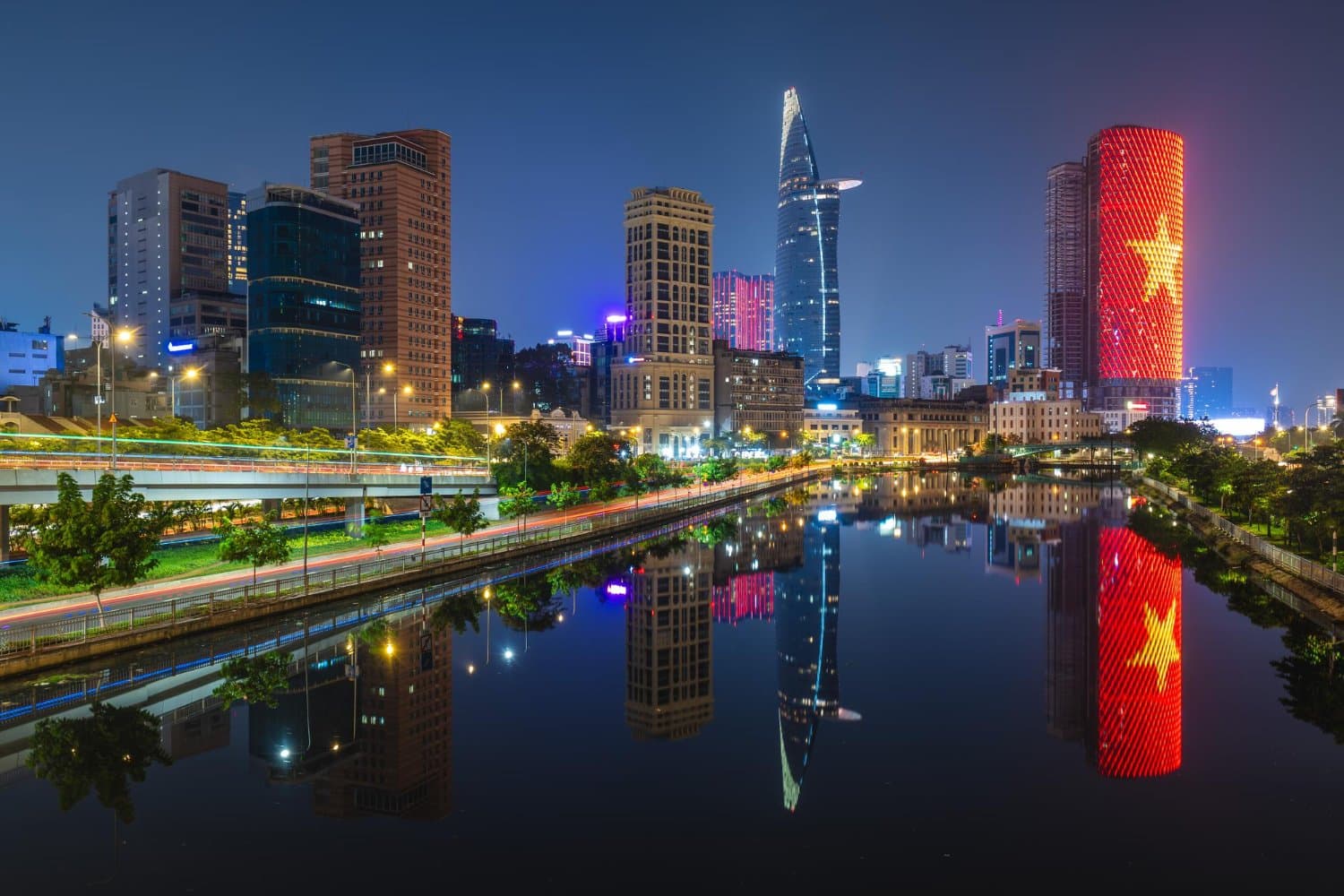
As a general guide, many single retirees live comfortably on around £1,000 to £1,500 per month, while couples often budget between £1,500 and £2,500 per month, depending on their lifestyle and where they choose to live. Those seeking luxury accommodation, frequent travel or imported goods should naturally expect to spend more.
Typical monthly expenses may include:
| Expense | Estimated Monthly Cost |
|---|---|
| Modern one-bedroom apartment | £350–£900 |
| Utilities (electricity, water, internet) | £40–£80 |
| Mobile phone | £5–£15 |
| Groceries | £120–£250 |
| Dining out | £100–£250 |
| Transport | £20–£60 |
One of Vietnam's greatest advantages is the affordability of everyday conveniences. Many retirees regularly dine out because restaurant meals and local cafés offer excellent value for money. It's also common for expats to hire domestic help, cleaners or gardeners at costs that would be considerably higher in the UK.
For example, a retired couple receiving a combined annual pension income of £30,000 (approximately £2,500 per month) could potentially cover their essential living expenses while still having room in their budget for:
Regular travel around Southeast Asia.
Dining out several times each week.
Gym memberships or leisure activities.
Comprehensive private health insurance.
Building additional savings or investment capital.
Location also plays an important role. Living costs tend to be highest in Ho Chi Minh City and Hanoi, while coastal destinations such as Da Nang or smaller cities may offer an even better balance between affordability and quality of life.
Singapore
Singapore presents a very different financial picture. Although it offers world-class infrastructure, excellent public services and an exceptionally high standard of living, these benefits come with significantly higher living costs.
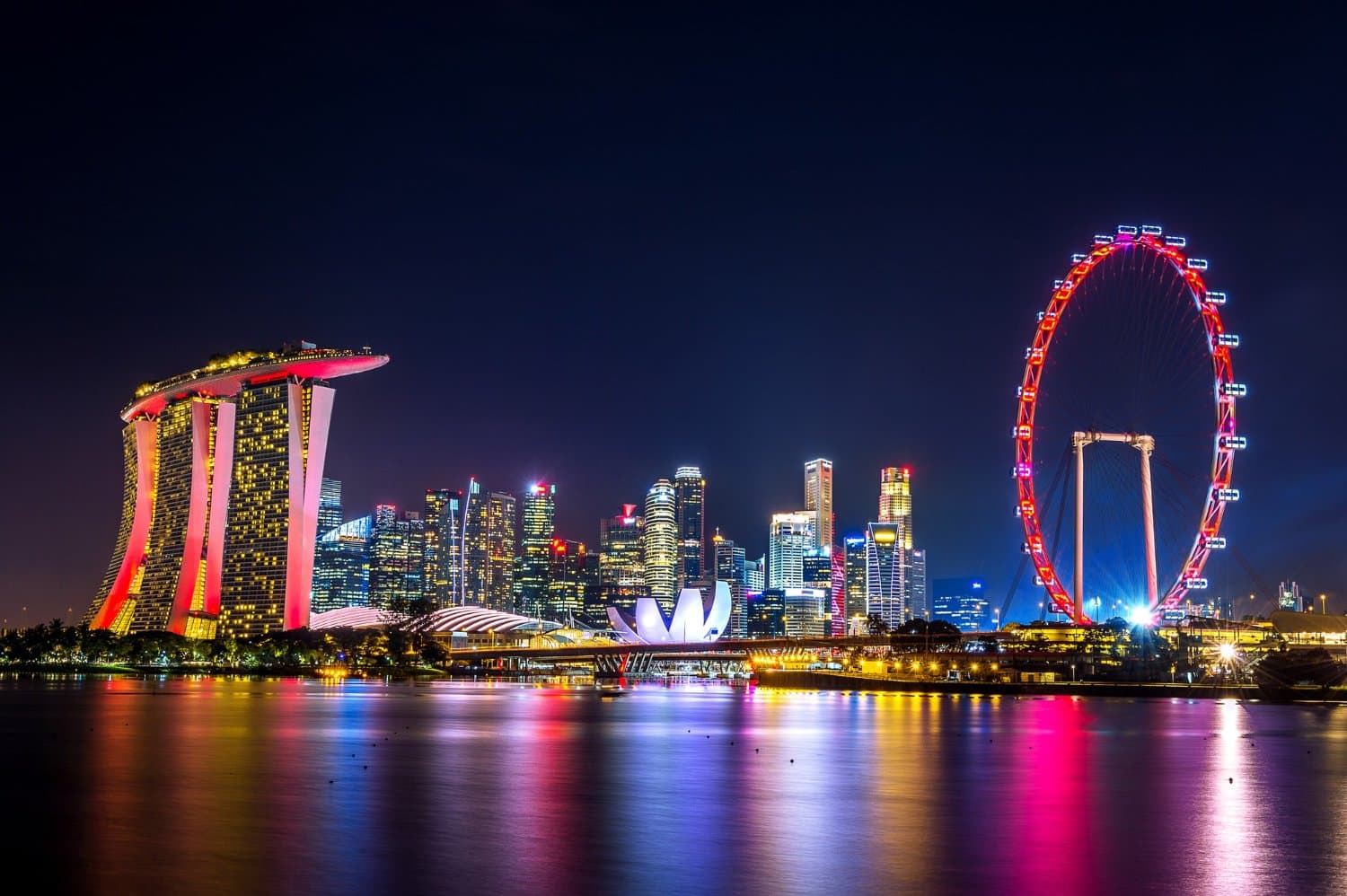
Housing is by far the largest expense for most retirees. Rental prices are among the highest in Asia, particularly in central districts and popular expat neighbourhoods. Imported goods, private healthcare, entertainment and international schooling (for those relocating with dependants) also contribute to a higher overall cost of living.
As a general guide, many retired couples should expect to budget between £3,500 and £6,000 per month, with higher-income households often spending considerably more depending on their accommodation and lifestyle choices.
Typical monthly expenses may include:
| Expense | Estimated Monthly Cost |
|---|---|
| One-bedroom apartment | £2,000–£3,500+ |
| Utilities and internet | £120–£220 |
| Mobile phone | £15–£40 |
| Groceries | £350–£700 |
| Dining out | £250–£600 |
| Public transport | £50–£120 |
That said, Singapore offers excellent value in certain areas despite its reputation for being expensive. Its efficient public transport system reduces the need to own a car, while affordable hawker centres provide high-quality meals at surprisingly reasonable prices. Retirees can therefore manage their budgets more effectively by making use of these local amenities.
However, lifestyle choices have a much greater influence on spending than they do in Vietnam. Choosing imported groceries, premium restaurants, luxury accommodation or regular private leisure activities can quickly increase monthly expenses.
For example, a retired couple with annual retirement income of £60,000 (approximately £5,000 per month) may enjoy a comfortable lifestyle in Singapore, but they are likely to have less disposable income available for travel, investing or unexpected expenses than they would if living in Vietnam on the same income.
Singapore is therefore generally better suited to retirees who have accumulated larger pension pots or investment portfolios and who place a premium on convenience, infrastructure and access to world-class services.
Cost Comparison at a Glance
To illustrate the difference, here's a simplified example of how a retired couple's monthly budget might compare.
| Category | Vietnam | Singapore |
|---|---|---|
| Accommodation | £700 | £2,500 |
| Utilities & Internet | £70 | £180 |
| Groceries | £200 | £500 |
| Dining Out | £180 | £450 |
| Transport | £40 | £80 |
| Miscellaneous | £310 | £790 |
| Estimated Monthly Total | £1,500 | £4,500 |
While actual costs vary depending on personal preferences and location, the table highlights the significant difference in the level of retirement income required to enjoy a comparable lifestyle in each country.
Healthcare
Healthcare is often one of the most important considerations when deciding where to retire. While both Vietnam and Singapore offer access to quality medical care, the standard of treatment, accessibility, and costs differ considerably.
Vietnam
Vietnam's healthcare system has improved significantly over the past two decades, particularly in major cities where private hospitals have invested heavily in modern facilities and international medical standards. As a result, many expats are pleasantly surprised by the quality of care available for routine medical needs and common procedures.

Private hospitals in cities such as Ho Chi Minh City, Hanoi and Da Nang often feature:
English-speaking doctors and medical staff.
Modern diagnostic equipment and specialist clinics.
Short waiting times compared with the NHS.
International patient departments designed specifically for foreign residents.
Partnerships with overseas healthcare providers.
For everyday healthcare needs, including GP appointments, routine blood tests, dental care and outpatient consultations, many retirees find the quality of private healthcare more than sufficient. Costs are also considerably lower than in many Western countries. For example, a private GP consultation may cost between £20 and £50, while specialist appointments often range from £30 to £80, depending on the provider and treatment required.
However, it's worth recognising that healthcare standards can vary depending on where you live. While major cities offer excellent private facilities, smaller towns and rural areas may have fewer specialists, older equipment and more limited treatment options. Consequently, retirees living outside the larger urban centres may need to travel for more complex medical care.
For serious illnesses or highly specialised procedures, such as advanced cancer treatment, complex cardiac surgery or organ transplantation, some expats choose to seek treatment in neighbouring countries with more established specialist healthcare systems, including Singapore or Thailand.
Because of these differences, comprehensive international private medical insurance is strongly recommended. A suitable policy can help cover:
Hospital admissions.
Specialist treatment.
Emergency medical evacuation if required.
Ongoing treatment for chronic medical conditions.
Access to regional centres of medical excellence.
For many retirees, the lower day-to-day cost of healthcare in Vietnam helps offset the cost of maintaining comprehensive international health insurance, allowing them to enjoy high-quality care while keeping their overall living expenses relatively affordable.
Singapore
Singapore is widely recognised as one of the world's leading healthcare destinations and consistently ranks among the top countries for healthcare quality, patient outcomes and medical innovation. The country's healthcare system combines advanced technology, highly trained medical professionals and efficient service, making it particularly attractive for retirees who place healthcare at the top of their priority list.
One of Singapore's greatest advantages for British retirees is the ease of communication. English is one of the country's official languages, meaning consultations, medical records and treatment plans can usually be discussed without language barriers. This can provide considerable reassurance, particularly when dealing with ongoing medical conditions or complex healthcare decisions.

Retirees can expect excellent standards across virtually every area of medicine, including:
Routine GP services.
Specialist consultations.
Diagnostic imaging and laboratory testing.
Elective and emergency surgery.
Cardiology, oncology and neurology.
Rehabilitation and long-term disease management.
Appointments are generally easy to arrange, waiting times are relatively short, and hospitals are equipped with some of the latest medical technologies available. This level of accessibility is particularly valuable as healthcare needs naturally become more frequent during retirement.
The primary drawback is cost. Singapore's healthcare is among the most expensive in Asia, particularly for private treatment. For example:
A private GP consultation may cost £40 to £100 or more.
Specialist appointments commonly range from £100 to £250, depending on the speciality.
Hospital stays and surgical procedures can quickly run into several thousand pounds if paid without insurance.
As a result, most expats choose to maintain comprehensive international health insurance throughout retirement. While premiums may be higher than in some neighbouring countries, the reassurance of having access to world-class healthcare often outweighs the additional cost.
For retirees with pre-existing medical conditions, or those who anticipate requiring more frequent specialist treatment as they age, Singapore's exceptional healthcare infrastructure may justify its higher overall cost of living. The ability to access advanced medical care quickly and efficiently can offer significant peace of mind during retirement.
Residency and Visa Options
Before committing to retirement abroad, it's essential to understand whether you'll actually be able to live in your chosen country on a long-term basis.
When comparing Vietnam vs Singapore for UK retirees, one of the biggest challenges is that neither country currently offers a dedicated retirement visa similar to those available in destinations such as Malaysia or Thailand. This means retirees need to explore alternative residency routes and should be prepared for immigration policies to evolve over time.
Residency Comparison at a Glance
| Factor | Vietnam | Singapore |
|---|---|---|
| Dedicated retirement visa | No | No |
| Long-term residency available | Yes, through alternative visa routes | Yes, but generally through employment, family or investment |
| Suitable for retirees without employment? | Possible, depending on circumstances | More challenging |
| Immigration flexibility | Moderate | Relatively strict |
| Professional advice recommended | Yes | Yes |
Vietnam
Vietnam has become increasingly popular among expats, but unlike some neighbouring countries, it does not currently operate a retirement visa specifically for foreign retirees.
Instead, long-term residency is generally achieved through other visa alternatives, which may include:
Employment with a Vietnamese company.
Establishing or investing in a business.
Family sponsorship, such as having a Vietnamese spouse.
Certain investor or specialist visa categories.
Other residency arrangements available under current immigration regulations.

As a result, retiring to Vietnam often requires more planning than simply arriving with a pension. Some retirees initially enter on shorter-term visas before transitioning to a more suitable long-term arrangement, although immigration rules and visa renewal policies can change over time.
One important consideration is that residency status can also influence your wider financial planning. For example, becoming a long-term resident may affect:
Your tax residency.
Reporting obligations.
Banking arrangements.
Access to local financial services.
Estate planning considerations.
For this reason, it's sensible to coordinate immigration planning alongside your wider retirement and wealth management strategy, rather than viewing them as separate decisions.
Despite the lack of a dedicated retirement visa, many expats successfully build long-term lives in Vietnam. However, doing so typically requires flexibility and careful planning to ensure your chosen residency route remains appropriate as regulations evolve.
Singapore
Singapore is often viewed as one of Asia's most attractive places to live, thanks to its political stability, excellent infrastructure and high quality of life. However, from a retirement perspective, obtaining long-term residency can be more challenging than many people expect.
Like Vietnam, Singapore does not currently offer a retirement visa specifically designed for foreign retirees.
Long-term residence is generally available through routes such as:
Employment passes for those still working.
Family sponsorship where close relatives are Singapore citizens or permanent residents.
Investment-based schemes for qualifying individuals.
Permanent Residency (PR) applications under specific eligibility criteria.

For retirees who no longer intend to work and who have no existing family ties to Singapore, securing long-term residency may therefore prove more difficult.
Singapore's immigration policies are designed to support the country's economic and workforce objectives, meaning retirement alone does not usually provide a basis for permanent residence.
For individuals with significant financial resources, certain investment pathways may be available, but these typically require substantial capital and are unlikely to be appropriate for the average UK retiree.
That said, retirees who already have family connections in Singapore or who have previously lived and worked there may have more options available than those relocating for the first time.
As with Vietnam, residency status should be considered alongside other financial planning matters, including:
Tax residency.
Pension income.
Investment management.
Healthcare funding.
Estate and succession planning.
Planning these areas together can help avoid unnecessary complications once you've relocated.
Tax Considerations
Tax is one of the most important, and often most overlooked, aspects of retiring overseas.
When comparing Vietnam vs Singapore for UK retirees, it's important to remember that moving abroad does not automatically mean you stop paying UK tax or become tax resident elsewhere.
Your individual tax position will depend on several factors, including:
Where you are considered tax resident.
The source of your income, such as UK pensions, rental income or investments.
How long you spend in each country during the tax year.
Whether you continue to have financial ties to the UK.
The structure of your investment portfolio.
Because every retiree's circumstances are different, professional tax advice should form an important part of your retirement planning before relocating.
Vietnam
Vietnam's tax system is generally more complex than many retirees initially expect.
If you become a tax resident in Vietnam, you may be subject to Vietnamese tax on certain types of worldwide income, depending on the applicable rules at the time. Non-residents, on the other hand, are generally taxed differently, particularly on income arising within Vietnam.
For UK retirees, this means it's important to understand how different income sources may be treated, including:
UK State Pension.
Workplace pensions.
Personal pensions and SIPPs.
Rental income from UK property.
Dividend income.
Interest from savings.
Capital gains from investments.

Simply relocating to Vietnam does not automatically remove your UK tax obligations. Depending on your circumstances, you may still need to submit UK tax returns, particularly if you continue to receive UK-source income.
Another consideration is currency. Receiving pension income in pounds while spending in Vietnamese dong can work in your favour when exchange rates are favourable, increasing your spending power. However, exchange rate fluctuations can also affect your retirement budget over time, making currency planning an important part of your overall financial strategy.
Because tax legislation and residency rules can change, retirees should review their position regularly rather than assuming the arrangements that apply today will remain unchanged throughout retirement.
Singapore
Singapore has earned an international reputation for having one of the most attractive personal tax systems in the world. Compared with many Western countries, personal income tax rates are relatively low, and certain types of investment income receive favourable tax treatment.
For retirees, this can make Singapore an appealing destination from a tax perspective, particularly for those with diversified investment portfolios.

Depending on your individual circumstances, income may include:
UK pension payments.
Investment income.
Dividend income.
Interest from savings.
Rental income.
Other overseas assets.
However, while Singapore's domestic tax regime may be favourable, this does not necessarily mean all of your retirement income will be tax-free. UK tax rules may still apply to certain income streams, particularly those originating in the UK.
For example, retirees may still need to consider:
UK income tax obligations.
Tax treatment of UK pensions.
Capital gains planning.
Inheritance tax exposure.
Reporting requirements in multiple jurisdictions.
Singapore's tax efficiency is therefore only one part of the overall picture. Effective retirement planning should consider both your country of residence and where your wealth is held.
For retirees with substantial investment portfolios, careful structuring may help improve tax efficiency over the long term. However, these strategies should always be developed with professional advice to ensure they remain appropriate and compliant with both UK and local regulations.
Double Taxation: An Important Consideration
One of the biggest concerns for retirees moving overseas is the possibility of paying tax twice on the same income.
Fortunately, the UK has entered into double taxation agreements (DTAs) with many countries, including both Vietnam and Singapore. These agreements are designed to reduce or eliminate situations where the same income could be taxed in both jurisdictions.
However, a double taxation agreement does not necessarily mean you won't pay tax. Instead, it helps determine:
Which country has the primary right to tax certain types of income.
Whether tax paid in one country can be credited against tax due in another.
How pensions, dividends, interest and other income may be treated.
Understanding how these agreements apply to your personal circumstances can help avoid unnecessary tax liabilities and ensure you're not paying more tax than required.
Lifestyle and Culture
When comparing Vietnam vs Singapore for UK retirees, lifestyle and culture are two of the biggest differentiators. Although both countries are located in Southeast Asia, the overall experience of living in each destination is remarkably different.
Lifestyle Comparison at a Glance
| Lifestyle Factor | Vietnam | Singapore |
|---|---|---|
| Pace of life | Relaxed and laid-back | Fast-paced and efficient |
| Culture | Traditional and historic | Modern and multicultural |
| English widely spoken | Limited outside major cities | Yes |
| Dining | Affordable local cuisine | Extensive international options |
| Outdoor lifestyle | Beaches, mountains and countryside | Parks, waterfronts and urban green spaces |
| Nightlife | Vibrant but affordable | Diverse but generally more expensive |
| Ease of settling in | Moderate | Excellent |
Vietnam
Vietnam appeals to many UK retirees because it offers a lifestyle that combines affordability with authenticity.
Many expats describe life in Vietnam as being more laid-back than in the UK. While major cities such as Ho Chi Minh City and Hanoi are energetic and fast-moving, everyday life often feels less pressured than in many Western financial centres.
Retirees can enjoy a rich cultural experience through:
Bustling local markets.
Historic temples and pagodas.
Traditional festivals and celebrations.
World-renowned street food.
Scenic mountains, rivers and beaches.
Strong local communities and family-oriented culture.

One of Vietnam's greatest attractions is how affordable leisure activities remain. With lower day-to-day expenses, many retirees find they have greater freedom to enjoy experiences that might be considered occasional luxuries in the UK.
For example, retirees may comfortably incorporate into their weekly routine:
Dining out several times each week.
Weekend trips to nearby coastal towns.
Spa treatments and wellness services.
Golf, fitness classes or yoga.
Domestic travel throughout Vietnam.
The country's geography also provides considerable variety. Popular destinations include:
Ho Chi Minh City: Ideal for retirees who enjoy modern amenities, international restaurants, shopping centres and an active expat community.
Hanoi: Perfect for those who appreciate history, traditional Vietnamese culture and a slightly cooler climate during the winter months.
Da Nang: Often regarded as one of Vietnam's most liveable cities, offering beaches, modern infrastructure and a relaxed coastal lifestyle.
Hoi An: A charming historic town popular with retirees seeking a slower pace of life, beautiful architecture and a thriving café culture.
Nha Trang: Well suited to retirees looking for seaside living, water sports and a well-established expat community.
Singapore
Singapore offers a lifestyle that is almost the opposite of Vietnam in many respects. Rather than embracing a slower pace of life, Singapore is known for its efficiency, organisation and exceptionally high standard of urban living.
For UK retirees who value convenience, modern infrastructure and familiarity, Singapore can feel remarkably easy to settle into.
English is one of the country's official languages, making everyday activities such as banking, healthcare appointments, shopping and dealing with government services straightforward. This significantly reduces many of the challenges that can accompany relocating overseas.

Retirees benefit from outstanding public infrastructure, including:
A clean and reliable public transport network.
Excellent healthcare facilities.
Well-maintained parks and green spaces.
High-quality shopping centres.
Diverse international restaurants.
Fast and efficient public services.
Singapore is also one of Asia's most multicultural societies. Chinese, Malay, Indian and Western influences combine to create an incredibly diverse food scene, cultural calendar and social environment.
For retirees who enjoy staying active, there is no shortage of opportunities, including:
Waterfront walks and cycling routes.
Museums and art galleries.
Botanical gardens and nature reserves.
Concerts, theatres and cultural festivals.
Golf courses and sporting clubs.
Regional travel throughout Asia via one of the world's busiest international airports.
Another significant advantage is Singapore's strategic location. Weekend breaks to destinations such as Bali, Thailand, Vietnam, Malaysia or Japan are easily accessible, making it an excellent base for retirees who enjoy travelling.
The main compromise is cost. Many of the lifestyle benefits Singapore offers come with considerably higher living expenses, particularly when it comes to accommodation, dining at premium restaurants and leisure activities.
Some retirees may also find Singapore's highly urban environment less suited to those seeking a quieter or more rural retirement.
Climate
For many UK retirees, one of the biggest attractions of moving overseas is leaving behind Britain's cold, grey winters in favour of a warmer climate.
When comparing Vietnam vs Singapore for UK retirees, both destinations offer tropical climates that are considerably warmer than the UK throughout the year. However, there are important differences in weather patterns, seasonal variation and regional climates that may influence where you choose to settle.
Climate Comparison at a Glance
| Climate Factor | Vietnam | Singapore |
|---|---|---|
| Seasonal variation | Yes, depending on region | Very little |
| Winter temperatures | Cooler in the north | Warm year-round |
| Tropical climate | Yes | Yes |
| Humidity | Moderate to high, depending on region and season | Consistently high |
| Rainfall | Varies by region and season | Frequent throughout the year |
| Choice of climate | High | Limited, as weather is largely consistent nationwide |
Vietnam
One of Vietnam's biggest advantages is its geographical diversity. Stretching over 1,600 kilometres from north to south, the country experiences several different climate zones, giving retirees a greater choice of weather depending on where they decide to live.
This variety allows many expats to select a location that best matches their personal preferences.
1. Northern Vietnam
Northern Vietnam, including Hanoi and the surrounding region, experiences four distinct seasons.
Retirees can generally expect:
Warm to hot summers.
Cooler, drier winters.
Spring and autumn with more moderate temperatures.
Occasional periods of heavy rainfall during the summer months.
Winter temperatures are significantly milder than in the UK, although they can still feel surprisingly cool, particularly between December and February.
This seasonal variation often appeals to retirees who enjoy experiencing different times of the year without enduring prolonged periods of freezing weather.

2. Central Vietnam
Central Vietnam, including destinations such as Da Nang and Hoi An, enjoys a warm coastal climate with plenty of sunshine for much of the year.
Retirees benefit from:
Beautiful beaches.
Long dry seasons.
Warm temperatures suitable for outdoor activities.
Coastal breezes that can make the heat more comfortable.
However, parts of Central Vietnam may also experience tropical storms and heavier rainfall during the latter part of the year, so it's worth considering seasonal weather patterns when choosing where to live.
3. Southern Vietnam
Southern Vietnam, including Ho Chi Minh City, enjoys a consistently tropical climate throughout the year.
Rather than four seasons, retirees typically experience:
A dry season.
A rainy season.
Warm temperatures throughout the year.
High humidity, particularly during the wet season.
Rain showers are often heavy but relatively short, meaning they rarely prevent people from enjoying outdoor activities for the entire day.
For retirees seeking reliable warmth without colder winters, southern Vietnam remains one of the country's most popular regions.
Singapore
Singapore has one of the most consistent climates in the world. Located almost directly on the equator, the country experiences very little seasonal variation, meaning retirees can expect similar weather throughout the year.
Typical conditions include:
Warm temperatures every month.
High humidity.
Frequent tropical rain showers.
Plenty of sunshine between periods of rain.
Unlike Vietnam, Singapore does not experience traditional seasons such as spring, summer, autumn or winter. Daytime temperatures remain fairly consistent year-round, making it easy for retirees to establish regular outdoor routines without worrying about significant seasonal changes.
Many people enjoy the predictability of Singapore's climate, particularly those who prefer not to experience colder weather at any point during the year.
However, the combination of consistently high temperatures and humidity can take some adjustment for newcomers from the UK. During the first few months, some retirees find outdoor activities more comfortable during the early morning or evening when conditions are slightly cooler.
Property
When comparing Vietnam vs Singapore for UK retirees, both countries have restrictions on foreign property ownership. However, the affordability of property, the ease of entering the market and the overall investment landscape differ significantly.
Before purchasing overseas property, it's essential to look beyond the purchase price.
Property Comparison at a Glance
| Property Factor | Vietnam | Singapore |
|---|---|---|
| Property prices | Generally affordable | Among the highest in the world |
| Foreign ownership | Permitted with restrictions | Highly restricted for some property types |
| Land ownership | Foreigners cannot own land outright | Restrictions apply depending on property type |
| Rental affordability | Good value | Expensive |
| Flexibility for new retirees | Renting often recommended | Renting strongly recommended |
Vietnam
Vietnam has become an increasingly attractive property market for foreign buyers, particularly in major cities and popular coastal destinations. Modern apartment developments, improving infrastructure and comparatively affordable prices have encouraged many expats to consider purchasing rather than renting.
However, foreign ownership is not as straightforward as it is in the UK.

While legislation has become more accommodating in recent years, restrictions still apply. For example, foreign nationals are generally permitted to purchase certain types of residential property, such as apartments within approved developments, but they are not permitted to own land outright. Instead, ownership is typically granted through long-term leasehold arrangements, subject to Vietnamese property regulations.
As a result, obtaining independent legal advice before entering into any property transaction is strongly recommended.
Many retirees choose to rent initially rather than buy. This approach offers several advantages, including the opportunity to:
Explore different cities before committing to one location.
Experience neighbourhoods first-hand.
Better understand local property regulations.
Avoid unexpected legal or administrative complications.
Maintain greater flexibility if personal circumstances change.
Rental costs remain relatively affordable compared with the UK, making this an attractive option for many retirees.
For example, modern apartments in popular expat areas often offer amenities such as:
Swimming pools.
Fitness centres.
24-hour security.
Underground parking.
On-site management services.
These facilities are frequently available at prices that would be considerably higher in many parts of the UK.
From an investment perspective, retirees should also remember that overseas property should generally form just one part of a diversified financial plan. Concentrating too much wealth in a single overseas property may increase exposure to market, currency and regulatory risks.
Singapore
Singapore's property market is widely recognised as one of the most expensive in the world. Although the country offers exceptional construction standards, modern developments and excellent infrastructure, purchasing property can require a substantial financial commitment.
Housing demand remains consistently high due to Singapore's limited land availability, contributing to elevated property prices across much of the market.
Foreign ownership is also subject to stricter regulation than many retirees may expect.

Depending on the type of property, overseas buyers may face:
Restrictions on purchasing certain residential properties.
Additional approval requirements.
Higher acquisition costs.
Extra taxes and duties applicable to foreign purchasers.
These measures are designed to help manage housing demand and maintain affordability for Singaporean citizens.
As a result, many UK retirees find that renting is the more practical and financially flexible option, particularly during the early years of relocation.
Although rental costs are considerably higher than in Vietnam, renting offers several benefits:
Greater flexibility if residency arrangements change.
No exposure to property market fluctuations.
Lower upfront capital commitment.
Easier relocation if lifestyle preferences evolve.
For retirees with substantial financial resources who intend to remain in Singapore for the long term, purchasing property may still be appropriate. However, this decision should always be considered within the context of your overall wealth management strategy rather than viewed solely as a lifestyle purchase.
Renting vs Buying: Which Is Better for Retirees?
Regardless of whether you choose Vietnam or Singapore, renting is often the preferred option for newly arrived retirees.
Renting before buying allows you to:
Experience daily life in your chosen location.
Assess local amenities and healthcare facilities.
Understand commuting and transport options.
Determine whether the climate and community suit your lifestyle.
Preserve capital while you settle into your new surroundings.
Only after living in the country for a period of time do many retirees feel confident enough to decide whether purchasing property aligns with their long-term plans.
For those who already own property in the UK, it's also worth considering how retaining, renting out or selling that property could affect your retirement income, tax position and estate planning.
Financial Planning Considerations for UK Retirees
Choosing between Vietnam vs Singapore for UK retirees extends far beyond lifestyle.
Before relocating, British retirees should carefully review:
UK pension arrangements
State Pension eligibility and payment overseas
Defined benefit and defined contribution pensions
Currency exchange exposure
Investment portfolio diversification
Tax residency
Estate and succession planning
Healthcare funding
Long-term care planning
Inflation risk
Relocating internationally often creates opportunities to improve financial efficiency, but only when supported by well-structured advice tailored to your circumstances.
Pros and Cons: Vietnam vs Singapore
Vietnam
Advantages
Much lower cost of living
Affordable private healthcare
Beautiful scenery
Rich culture
Excellent value for retirees
Relaxed lifestyle
Disadvantages
No retirement visa
Developing infrastructure outside major cities
More limited specialist healthcare
Language barriers in some regions
Singapore
Advantages
World-class healthcare
Extremely safe
English widely spoken
Excellent infrastructure
Low personal tax rates
Outstanding transport
Disadvantages
Very high living costs
Expensive housing
Limited retirement residency options
Fast-paced urban lifestyle
Vietnam vs Singapore for UK Retirees: Which Is Better?
There is no universal answer.
If your priority is making your retirement income go further while enjoying a vibrant culture and lower living costs, Vietnam is an excellent choice.
If you value premium healthcare, exceptional infrastructure, political stability and an English-speaking environment, and your retirement savings comfortably support the higher costs, Singapore remains one of Asia's finest destinations.
Ultimately, the best decision depends on your financial position, retirement objectives, family circumstances and long-term plans.
How Benjamin Sharvell Can Help You Plan Your Overseas Retirement
Relocating abroad is one of the most significant financial decisions you will ever make.
As a Senior Adviser and Professional Financial Planner specialising in wealth management for expats based in Ho Chi Minh City, Vietnam, I work with expats to create personalised financial strategies that support both their lifestyle and long-term financial security.
Having lived and worked abroad myself, I understand the practical and financial considerations that come with building a life overseas.
My advice covers a broad range of services, including:
Future Planning, such as retirement planning, pension planning, education fee planning and succession planning.
Savings Solutions, including regular savings, lump sum investments, offshore banking and foreign exchange guidance.
Pension Solutions, covering UK pensions, SIPPs, QROPS, QNUPS and other international pension arrangements.
Property Solutions, including UK and international mortgages and property investment strategies.
Insurance Solutions, helping clients secure appropriate health and life insurance for their circumstances.
Planning Your Retirement Abroad? Let's Build a Financial Strategy That Moves With You
When comparing Vietnam vs Singapore for UK retirees, there is no one-size-fits-all answer.
Before making your decision, it's important to assess not only your lifestyle preferences but also how your move will affect your pensions, investments, taxation and estate planning.
No two retirements are the same, and neither should your financial plan be. With proactive advice and a personalised approach, you can make informed decisions about your wealth today while preparing for the opportunities and challenges of tomorrow.
If you're considering retiring to Vietnam, I'd be delighted to help you create a financial plan that supports your long-term goals and gives you confidence for the years ahead.
Get in touch with our team today to get a free consultation!