

Relocating abroad for work is rarely a simple decision, but for many UK professionals, working in Ho Chi Minh City presents a compelling opportunity. Vietnam’s commercial capital is fast-paced, entrepreneurial, and increasingly international. It offers a unique blend of career growth, cultural immersion, and financial potential.
As someone who has worked extensively with expats across global markets, I’ve seen first-hand how the right preparation can transform an overseas move from a leap of faith into a strategic life decision.
This guide is designed to help you understand not only what to expect when working in Ho Chi Minh City, but how to make the most of it, both professionally and financially.
Why Work in Ho Chi Minh City?
Ho Chi Minh City (often referred to as Saigon) is Vietnam’s major city and economic engine. It attracts multinational corporations, start-ups, and entrepreneurs alike, making it a dynamic environment for expats.
Key advantages include:
1. Strong Economic Growth
Vietnam has consistently delivered robust economic growth over the past decade, making it one of the most attractive emerging markets in Asia. As a result, Ho Chi Minh City sits at the centre of this expansion, attracting foreign investment, multinational companies, and new business ventures.
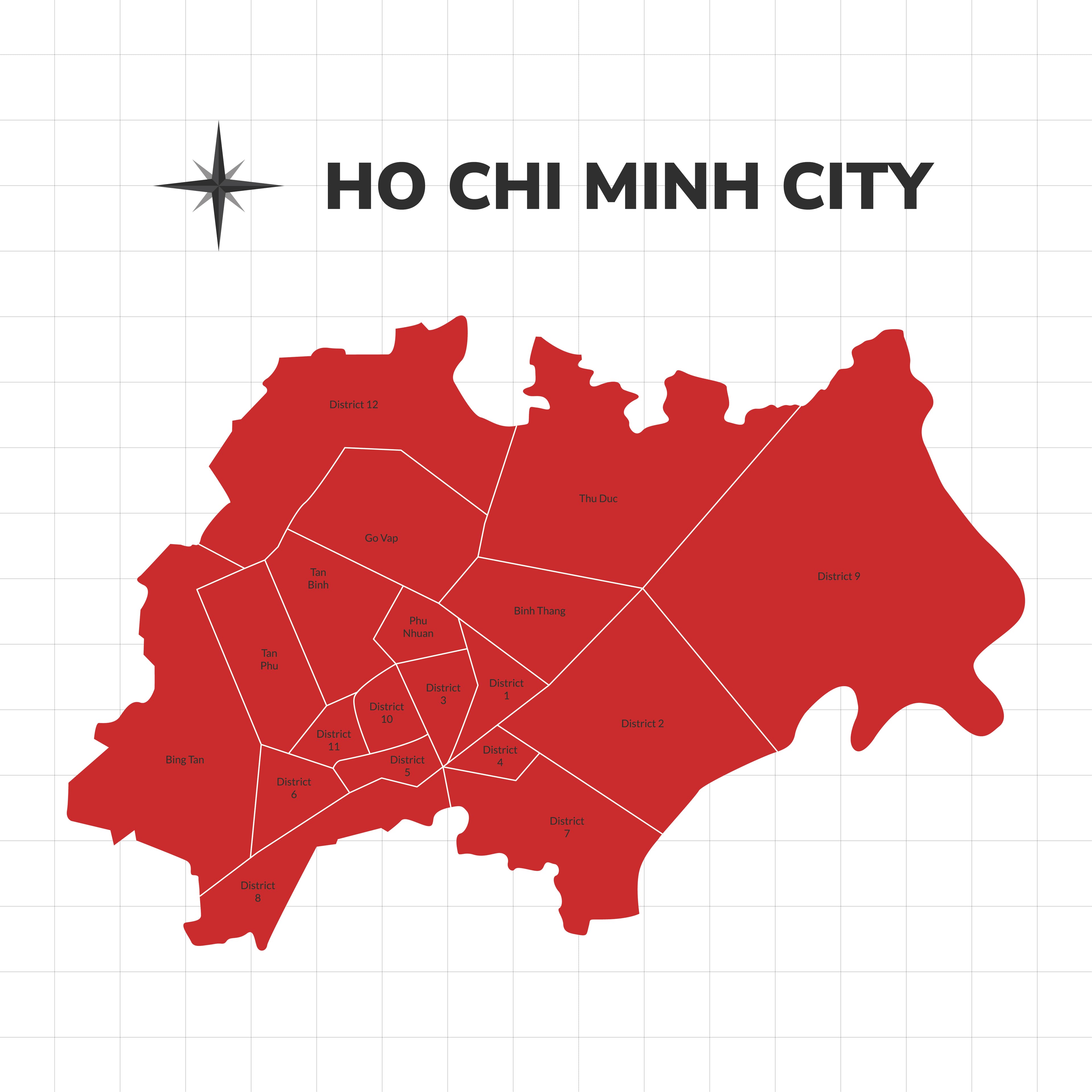
For you as an expat, this translates into opportunity. Growing economies tend to reward skills, adaptability, and initiative more quickly than mature markets like the UK. Consequently, you may find faster career progression or access to roles that would otherwise take years to secure at home.
2. Expanding Job Market
Alongside economic growth, the job market in Ho Chi Minh City continues to broaden across multiple sectors. From education and finance to technology and manufacturing, demand for skilled professionals remains strong.
Importantly, there is a clear appetite for international expertise. Employers often seek expats not only for technical skills, but also for global perspective and experience. Therefore, if you can position your background effectively, you may find yourself competing in a less saturated market compared to the UK.
3. Relatively Low Cost of Living
One of the most immediate advantages of working in Ho Chi Minh City is the lower cost of living. Compared to cities such as London or Manchester, everyday expenses, from rent to dining, are significantly reduced.

This creates a meaningful financial gap between what you earn and what you spend. If managed carefully, that gap becomes your savings potential. In practical terms, even modest salaries can translate into strong monthly surplus, allowing you to build capital far more efficiently than you might in the UK.
4. Strategic Location
Geographically, Ho Chi Minh City offers excellent access to the wider Southeast Asian region. With relatively short and affordable flights, countries such as Thailand, Singapore, and Malaysia are easily reachable.
From a professional standpoint, this positioning can open doors to regional roles and cross-border opportunities. At the same time, from a lifestyle perspective, it allows you to experience multiple cultures and destinations without significant cost or time commitment.
For UK professionals, the appeal often lies in the balance between career opportunity and lifestyle enhancement.
Employment Opportunities for Expats
When considering working in Ho Chi Minh City, understanding where your skills fit, and how to position yourself, is essential. While opportunities are diverse, success often depends on aligning your experience with sectors that actively seek international expertise.
Below, I’ve expanded on the most relevant industries, with practical insight into how to approach each one effectively.
Education
The education sector remains one of the most accessible entry points for UK expats. English language instruction is in constant demand, driven by Vietnam’s growing middle class and emphasis on international education.

In practical terms, most reputable schools will expect:
A bachelor’s degree (in any subject)
A recognised teaching qualification such as TEFL, CELTA, or PGCE
A clean criminal background check
While entry-level positions are available, higher salaries, often exceeding £2,000 per month, are typically reserved for those with formal teaching credentials or classroom experience. International schools, in particular, can offer salaries upwards of £3,000 per month, though competition is significantly stronger.
From a financial perspective, the maths is compelling. If you earn £2,000 per month and maintain a modest lifestyle costing £1,000, you could reasonably save £12,000 annually. Over a three-year period, that equates to £36,000, before any investment growth.
To maximise your position:
Target established language centres or international schools rather than informal employers
Negotiate for additional benefits such as housing allowances or flight reimbursement
Use your first year to build local experience, then leverage it for higher-paying roles
Finance and Banking
Vietnam’s financial sector is evolving rapidly, creating opportunities for expats with experience in banking, wealth management, risk, or compliance. However, unlike education, this is not an entry-level pathway, employers typically seek professionals with several years of experience and, ideally, international exposure.

Roles often exist within:
Multinational banks
Investment firms
Corporate finance departments
Salaries can range from £2,500 to £5,000+ per month, depending on seniority. That said, the real value often lies in career trajectory rather than immediate income. Vietnam’s financial market is still developing, meaning early involvement can position you advantageously for future regional roles.
If you are considering this route:
Ensure your CV highlights measurable achievements (e.g. revenue growth, portfolio performance)
Be prepared for a longer job search compared to teaching roles
Network actively, many roles are filled through professional connections rather than job boards
From a strategic standpoint, this sector aligns particularly well with long-term wealth planning. Higher salaries combined with lower living costs can accelerate investment contributions significantly.
Technology and Start-ups
Ho Chi Minh City has quietly become one of Southeast Asia’s most dynamic tech hubs. Start-ups and established firms alike are seeking talent in software development, product management, and fintech.
What makes this sector particularly attractive is its openness to foreign expertise. Unlike more traditional industries, companies here often prioritise skills over formal credentials.

Typical roles include:
Software engineers and developers
UX/UI designers
Product and project managers
Data analysts
Salaries vary widely, from around £2,000 for mid-level roles to £5,000+ for senior or highly specialised positions. Equity or performance-based incentives are also increasingly common, particularly within start-ups.
However, there are trade-offs. Start-up environments can be less stable, and compensation packages may lack the structure of larger corporations. Therefore, it is important to evaluate:
The company’s funding stage and financial health
Contract terms, particularly regarding bonuses or equity
Opportunities for career progression
For those with in-demand technical skills, this sector offers one of the fastest routes to both professional growth and increased earning potential while working in Ho Chi Minh City.
Manufacturing and Engineering
Vietnam’s position as a global manufacturing hub has created steady demand for skilled engineers, project managers, and operations specialists. Many multinational companies have relocated production here, particularly in electronics, textiles, and consumer goods.

Expats in this sector are typically hired for:
Technical expertise not readily available locally
Leadership and operational oversight
Knowledge transfer to local teams
Salaries generally range from £2,500 to £4,500 per month, often supplemented by housing, transport, and healthcare allowances. These benefits can significantly reduce your personal expenses, increasing your overall savings rate.
For example, if your employer covers £800 per month in housing and you earn £3,500, your effective disposable income rises substantially. Over time, this can create a strong financial foundation.
To succeed in this field:
Highlight specialised technical skills or certifications
Demonstrate experience managing teams or large-scale projects
Be prepared for roles located outside the city centre, near industrial zones
While less glamorous than other sectors, manufacturing offers stability and strong financial upside for the right candidate.
Hospitality and Tourism
As Vietnam’s tourism industry continues to expand, there is ongoing demand for experienced professionals in hospitality management. This includes roles in hotels, restaurants, and travel companies, particularly those catering to international clientele.

However, it is important to be realistic about this sector. Salaries are often lower than in finance or technology, typically ranging from £1,500 to £3,000 per month. That said, senior management roles in luxury hotels can exceed this range and include attractive benefits.
Success in this field depends heavily on experience. Employers are generally looking for candidates who:
Have a proven track record in hospitality management
Understand international service standards
Can train and lead local teams effectively
One advantage is the potential for non-monetary benefits, such as:
Accommodation
Meals
Performance bonuses
These can offset lower base salaries and improve overall financial outcomes.
From a lifestyle perspective, this sector can be particularly rewarding. However, it is important to balance this with a clear financial plan, especially if long-term savings are a priority.
Cost of Living: What to Expect
One of the most appealing aspects of working in Ho Chi Minh City is the relatively low cost of living, particularly when compared to the UK. However, the headline affordability can be misleading if not broken down properly. Your actual expenses will depend heavily on lifestyle choices, housing preferences, and how closely you maintain Western habits.
Below, I’ve expanded each key cost area to help you build a realistic and practical monthly budget.
Rent (1-Bedroom Apartment): £400 – £1,000
Accommodation will almost certainly be your largest expense, and the range here reflects vastly different living standards.
At the lower end (£400–£600), you can expect a comfortable but modest apartment, often located slightly outside the main expat districts such as District 1 or District 2. These properties are usually serviced, furnished, and suitable for single professionals.

At the higher end (£700–£1,000+), you are paying for:
Prime locations (e.g. Thao Dien in District 2)
Modern developments with amenities such as gyms, pools, and security
Larger living spaces or higher-end furnishings
A useful way to think about this financially is proportion. If you earn £2,500 per month and spend £800 on rent, that’s 32% of your income, still reasonable, but worth monitoring.
To manage this effectively:
Avoid committing to long leases immediately; explore neighbourhoods first
Negotiate rent, this is often expected in Vietnam
Consider whether amenities justify the additional cost
Utilities and Internet: £50 – £100
Utilities are generally affordable, but they can fluctuate depending on usage, particularly air conditioning, which is essential in Ho Chi Minh City’s climate.
A typical monthly breakdown might look like:
Electricity: £30–£70 (higher with heavy air conditioning use)
Water: £5–£10
Internet: £10–£15
Even at the higher end, utilities rarely exceed £100 unless you are living in a large property or running multiple air conditioning units continuously.
A practical tip here is behavioural: moderate your air conditioning usage where possible. Reducing usage by even a few hours per day can lower your electricity bill by 20–30%, which compounds over time.
Food and Dining: £150 – £400
Food is where Ho Chi Minh City offers exceptional value, provided you are willing to embrace local options.

At the lower end (£150–£250), you can eat well by:
Choosing local Vietnamese dishes (often £1–£3 per meal)
Shopping at local markets
Minimising imported goods
At the higher end (£300–£400+), costs increase due to:
Frequent dining at Western restaurants (£10–£25 per meal)
Imported groceries (cheese, wine, packaged goods)
Premium supermarkets catering to expats
To put this into perspective, replacing just three £15 Western meals per week with £3 local meals could save you approximately £144 per month (£12 x 12 meals). Over a year, that’s £1,728, money that could be redirected into savings or investments.
A balanced approach is often best: enjoy the local food scene regularly while reserving Western dining for occasional treats.
Transport: £30 – £100
Transport costs are relatively low, but your total spend will depend on how you choose to get around.
Common options include:
Ride-hailing apps (such as Grab): £1–£5 per trip
Motorbike rental: £40–£70 per month
Taxis: Slightly higher than ride-hailing but still affordable
Most expats rely heavily on ride-hailing services due to their convenience and low cost. For example, if you spend £3 per trip and take two trips per day, your monthly cost would be around £180. However, in practice, most people travel less frequently or combine trips, keeping costs closer to £50–£100.
If you plan to rent or purchase a motorbike, ensure you:
Hold the appropriate licence
Understand local traffic conditions (which can be challenging initially)
From a financial perspective, transport is unlikely to be a major burden, but small daily costs can accumulate if not monitored.
A Realistic Monthly Budget: £800 – £1,500
When you combine these categories, a typical monthly budget for expats working in Ho Chi Minh City falls between £800 and £1,500.

Here is a simplified example:
Rent: £700
Utilities: £80
Food: £250
Transport: £70
Total: £1,100 per month
If your monthly income is £2,500, this leaves you with £1,400 in potential surplus. Even after discretionary spending, saving £800–£1,000 per month is entirely achievable with discipline.
Work Culture and Professional Environment
Understanding the professional landscape is just as important as securing the role itself. When working in Ho Chi Minh City, your technical skills will only take you so far, your ability to adapt to local business culture will often determine your long-term success.
Vietnamese workplace dynamics differ in subtle but important ways from the UK. Recognising these differences early allows you to operate more effectively, build stronger relationships, and avoid common misunderstandings.
Hierarchy and Respect
Vietnamese workplaces tend to place a strong emphasis on hierarchy. Seniority, whether based on age, position, or experience, commands respect, and decision-making is often concentrated at the top.

In practice, this means that:
Decisions may take longer, as they require approval from senior figures
Junior employees may be less likely to challenge or question authority openly
Meetings may feel more formal than what you are used to in the UK
For UK professionals accustomed to flatter organisational structures, this can initially feel restrictive. However, rather than pushing against it, it is far more effective to work within the system.
A practical approach would be to:
Direct key proposals or ideas through the appropriate senior channels
Show respect in both language and tone, particularly in group settings
Avoid openly contradicting senior colleagues in meetings
Over time, as trust develops, you may find more flexibility in communication, but this must be earned rather than assumed.
Communication Style
Communication in Vietnam is generally more indirect than in the UK. Preserving harmony and avoiding loss of face are important cultural considerations, which can influence how feedback is given and received.
For example:
A “yes” may sometimes indicate understanding rather than agreement
Criticism is often delivered subtly or privately rather than directly
Disagreement may not be openly expressed in meetings
This can lead to misunderstandings if interpreted through a purely British lens. You may believe something has been agreed, only to find later that expectations differ.
To navigate this effectively:
Confirm key points in writing after meetings
Ask open-ended questions to ensure genuine understanding
Deliver feedback constructively and privately where possible
Clarity is essential, but it must be balanced with cultural sensitivity. Directness without tact can damage relationships, whereas thoughtful communication builds credibility.
Relationship-Driven Business Culture
Business in Ho Chi Minh City is highly relationship-driven. While competence is important, trust and personal rapport often carry equal, if not greater, weight.

This is particularly evident in:
Hiring decisions
Client relationships
Internal team dynamics
It is not uncommon for opportunities to arise through introductions rather than formal applications. As such, investing time in relationship-building is not optional, it is a core part of professional success.
You can strengthen your position by:
Attending networking events and industry gatherings
Taking time to build rapport with colleagues beyond transactional interactions
Demonstrating reliability and consistency over time
A useful mindset shift is to view relationships as long-term investments. The return may not be immediate, but it is often significant.
Flexibility and Adaptability
Processes in Vietnam can be less structured than in the UK, particularly in smaller organisations or rapidly growing companies. While this can occasionally lead to inefficiencies, it also creates opportunities for those who can adapt quickly.
You may encounter:
Changing priorities or last-minute decisions
Ambiguity in roles or responsibilities
Less formalised systems and procedures
Rather than viewing this as a drawback, it can be advantageous if approached correctly. Professionals who thrive in this environment tend to be those who:
Remain solution-focused rather than process-dependent
Take initiative when clarity is lacking
Maintain composure in uncertain or evolving situations
For example, if a project scope changes unexpectedly, your ability to respond constructively, rather than resist the change, will set you apart.
Legal Requirements and Work Permits
When it comes to working in Ho Chi Minh City, ensuring that you are fully compliant with local regulations is not simply a formality, it is essential. Vietnam has become increasingly structured in its approach to foreign workers, and while the process is generally straightforward, it must be handled correctly from the outset.
In most cases, your employer will guide you through the process. However, it remains your responsibility to understand what is required and to ensure that everything is in place before you begin working.
Work Permits: The Foundation of Legal Employment
A valid work permit is the cornerstone of legal employment in Vietnam. Without it, you are not permitted to work, regardless of any informal agreements or short-term arrangements.

To qualify, you will typically need:
A relevant degree or professional qualification
At least 2–3 years of experience in your field
A clean criminal record check (from the UK or your country of residence)
A medical certificate confirming you are fit to work
Your employer will usually act as your sponsor and submit the application on your behalf. Processing times can vary, but you should allow several weeks for completion.
A key point to understand is that work permits are generally tied to a specific employer. This means:
If you change jobs, a new permit will be required
You cannot legally undertake freelance or additional work outside your contract
From a practical standpoint, always ensure your permit is finalised before starting work. While some employers may suggest beginning early, this carries unnecessary legal risk.
Temporary Residence Card (TRC)
Once your work permit is approved, you will typically be eligible for a Temporary Residence Card (TRC). This effectively replaces the need for a visa and allows you to live in Vietnam for an extended period—usually one to two years.
The TRC offers several advantages:
Multiple entries and exits without needing to reapply for visas
Simplified administrative processes (e.g. opening bank accounts)
Greater stability for long-term planning
In most cases, your employer will assist with this process as well. However, it is worth confirming timelines, as delays can occasionally occur.
From a planning perspective, the TRC provides a degree of certainty. If you are considering medium-term financial strategies, such as structured savings or investments, having residency status in place is an important foundation.
Documentation: Getting It Right from the Start
One of the most common challenges expats face is document preparation. Vietnam has strict requirements regarding notarisation and authentication, and incomplete paperwork can delay your application significantly.

You should prepare the following in advance:
Degree certificates (often notarised and legalised)
Professional qualifications
Criminal background check (issued within a specific timeframe)
Passport copies with sufficient validity
In many cases, documents must go through a legalisation process involving:
Notarisation in the UK
Authentication by the Foreign, Commonwealth & Development Office (FCDO)
Legalisation by the Vietnamese embassy or consulate
While this may seem administrative, it is an area where early preparation can save considerable time and frustration.
Employer Responsibility vs Personal Accountability
Although employers typically manage much of the process, it is important not to adopt a passive approach.
You should:
Request copies of your work permit and TRC once issued
Verify expiry dates and renewal timelines
Ensure your job title and role match what is stated on the permit
Discrepancies, even minor ones, can create complications—particularly if you later change roles or leave the country.
A useful rule of thumb is to treat your legal documentation with the same level of attention as your financial arrangements. Both underpin your long-term stability as an expat.
Renewals and Long-Term Considerations
Work permits are usually valid for up to two years and must be renewed if you intend to stay longer. Renewal processes are generally more straightforward than initial applications, but they still require up-to-date documentation.
If you are planning to remain in Vietnam for several years, it is worth considering:
Continuity of employment (to avoid gaps in permits)
Alignment with long-term financial planning
Potential exit strategies if you relocate again
For example, if your stay extends beyond three to five years, your residency status may influence tax obligations and investment structuring—areas that should be reviewed proactively rather than reactively.
Banking, Tax, and Financial Considerations
When working in Ho Chi Minh City, your financial structure becomes more complex, but also more important. Income, taxation, banking, and currency all interact in ways that can either support or undermine your long-term goals. With the right approach, however, this complexity can be turned into a clear advantage.
Below, I’ve expanded on the key areas you should understand and actively manage.
Taxation
Vietnam operates a progressive income tax system, with rates ranging from 5% up to 35%. The rate you pay depends on your residency status and income level, which makes it essential to understand where you stand from the outset.

You are generally considered a tax resident if:
You spend 183 days or more in Vietnam within a 12-month period, or
You have a permanent residence or long-term lease in the country
Tax residents are taxed on their global income, whereas non-residents are taxed only on Vietnam-sourced income, typically at a flat rate of 20%.
To illustrate this, consider a monthly salary of £3,000 (approximately £36,000 annually). As a tax resident, your effective tax rate may fall somewhere between 15% and 25% after allowances, leaving you with roughly £2,250–£2,550 net per month. While this is still favourable given the cost of living, it highlights the importance of planning.
Fortunately, the UK and Vietnam have a double taxation agreement, which helps ensure you are not taxed twice on the same income. However, this does not happen automatically, you must structure your affairs correctly and, where necessary, declare income in both jurisdictions.
In practical terms:
Clarify your tax residency status early
Keep detailed records of income and time spent in each country
Seek advice if you have income streams outside Vietnam (e.g. UK rental income or investments)
Tax is not an area to approach casually. Small oversights can lead to inefficiencies, or in some cases, penalties.
Banking
Managing your banking effectively is fundamental when working internationally. Most expats in Ho Chi Minh City adopt a dual-structure approach: maintaining both local and overseas accounts.
A Vietnamese bank account is essential for:
Receiving your salary
Paying rent and utilities
Managing day-to-day expenses
At the same time, retaining a UK or offshore account allows you to:
Hold savings in a stable currency (GBP)
Maintain financial links to the UK
Facilitate investments and long-term planning
The key is to create a clear flow of funds. For example, you might:
Receive your salary in Vietnam (VND)
Allocate a portion for local expenses
Transfer surplus funds monthly into GBP-based accounts or investments
If you earn £2,500 per month and spend £1,200 locally, transferring the remaining £1,300 consistently can build a structured savings habit. Over 12 months, that equates to £15,600, before any investment growth.
When setting this up:
Choose banks with strong online banking capabilities
Be mindful of international transfer fees and exchange rates
Avoid holding excessive cash in low-interest local accounts
A well-organised banking structure is the backbone of effective expat financial planning.
Currency Considerations
Currency is often overlooked, yet it can have a meaningful impact on your finances when working in Ho Chi Minh City.
Most salaries are paid in Vietnamese Dong (VND), while your long-term financial goals, whether retirement, property, or investments, are likely denominated in pound sterling (£). This creates exposure to exchange rate fluctuations.

For instance, if you transfer £1,000 worth of VND when the exchange rate is favourable, you may receive the full amount. However, if the pound strengthens, that same amount of VND might only convert to £900. Over time, these differences can accumulate significantly.
To manage this risk:
Transfer funds regularly rather than in large, infrequent amounts (pound-cost averaging)
Monitor exchange rates but avoid trying to “time the market”
Consider holding a portion of savings in GBP to reduce exposure
A simple example: transferring £1,000 per month consistently over a year smooths out currency fluctuations, reducing the risk of converting a large sum at an unfavourable rate.
Currency management is not about speculation—it is about consistency and risk control.
Saving and Investing While Working Abroad
For many professionals, working in Ho Chi Minh City is not simply about career progression, it is an opportunity to accelerate wealth creation. However, this potential is often underutilised. Without a clear strategy, higher disposable income can easily be absorbed by lifestyle rather than directed towards long-term financial growth.
Saving and investing while abroad requires structure, discipline, and an understanding of the unique challenges expats face. Below, I’ve expanded on the key considerations to help you approach this with clarity and purpose.
The Opportunity: Turning Income into Long-Term Wealth
The financial advantage of working in Ho Chi Minh City lies in the gap between income and living costs. If managed correctly, this surplus can become a powerful tool for building wealth.

Consider a simple example. If you earn £3,000 per month and maintain a lifestyle costing £1,200, you are left with £1,800 in surplus. Even after discretionary spending, allocating £1,000 per month towards savings or investments is entirely realistic.
Over time, the impact becomes significant:
£1,000 per month = £12,000 per year
Over 5 years = £60,000 (excluding investment growth)
If this capital is invested with an average annual return of 5%, the total could exceed £68,000 over the same period. The key point is that your time abroad can materially accelerate your financial position, if you act with intention.
Common Challenges Expats Face
Despite the opportunity, expats often encounter structural barriers that make financial planning more complex than it would be in the UK.
A common issue is limited access to UK-based financial products. Once you become non-resident, many traditional savings accounts, ISAs, and investment platforms may no longer be available or suitable.
In addition, pension arrangements can become fragmented. You may have:
Existing UK pensions
New earnings abroad with no clear pension structure
Uncertainty around contributions and tax treatment
Currency exposure is another factor. Earning in Vietnamese Dong while planning for a future in pounds sterling introduces an additional layer of risk, particularly over longer time horizons.
Finally, there is often a lack of clear long-term planning. Without defined goals, such as retirement age, property ownership, or education funding, saving can become inconsistent and unfocused.
Recognising these challenges early is the first step towards overcoming them.
Building a Structured Savings Approach
The most effective way to manage your finances abroad is to treat saving as a fixed commitment rather than a residual outcome.

A practical approach would be to:
Determine your monthly income and essential expenses
Set a realistic savings target (for example, 30–50% of income)
Automate transfers into dedicated savings or investment accounts
For instance, if your net income is £2,500 and your expenses total £1,200, committing £800–£1,000 per month to savings creates consistency. What remains can then be used for discretionary spending without undermining your long-term goals.
Automation is particularly important. By transferring funds shortly after receiving your salary, you remove the temptation to spend what could otherwise be saved.
Investing: Moving Beyond Cash Savings
While saving is important, holding excessive cash, particularly in low-interest accounts, can limit your financial progress.
Inflation, even at modest levels, erodes the real value of cash over time. For example, £10,000 held at 1% interest in an environment with 3% inflation effectively loses purchasing power each year.
Investing allows your capital to grow and outpace inflation. For expats, this often involves:
International or offshore investment platforms
Globally diversified portfolios
Regular monthly contributions rather than lump sums
A disciplined investment strategy might involve allocating £800 of your £1,000 monthly surplus into a diversified portfolio, while retaining £200 as accessible cash savings. Over time, this balance provides both growth and flexibility.
The emphasis should always be on long-term consistency rather than short-term speculation.
Pension Planning: Do Not Overlook It
One of the most common mistakes I see is neglecting pension planning while working abroad. Without employer auto-enrolment, as is common in the UK, it becomes your responsibility to maintain retirement contributions.

Depending on your circumstances, options may include:
Continuing contributions to existing UK pensions (where permitted)
Establishing international pension structures such as SIPPs or QROPS
Building retirement savings through investment portfolios
The key is continuity. Even a gap of a few years can have a noticeable impact on your eventual retirement position.
For example, contributing £500 per month over 10 years at a 5% return results in approximately £77,000. Delaying those contributions by five years significantly reduces the final value due to lost compounding.
Retirement may feel distant, but the earlier you act, the greater the benefit.
Managing Risk and Maintaining Flexibility
Expat life is inherently dynamic. Contracts change, countries change, and personal circumstances evolve. Your financial strategy must reflect this.
A balanced approach should include:
Liquidity: Accessible funds for emergencies or relocation
Diversification: Spreading investments across regions and asset classes
Currency alignment: Gradually building assets in pounds sterling if you plan to return to the UK
For instance, maintaining three to six months’ worth of living expenses in cash provides a safety net, while investing the remainder ensures long-term growth.
Flexibility is just as important as growth. Your financial plan should be robust, but not rigid.
How Benjamin Sharvell IFA Supports Expats in Ho Chi Minh City
As a financial adviser specialising in expat wealth management, I understand both the opportunities and the complexities of working overseas.
My role is to help you turn your time abroad into a strategic advantage through:
Future Planning
I work closely with clients to define clear long-term objectives and build structured plans to achieve them. This includes retirement planning, education funding, pension alignment, and succession strategies. Rather than taking a generic approach, I tailor each plan to your personal circumstances, ensuring it remains adaptable as your career and location evolve.
Savings Solutions
I help you make efficient use of your income by structuring savings in a disciplined and tax-aware manner. Whether through regular monthly contributions or investing larger sums, I identify suitable platforms and accounts that align with your goals, while also considering currency exposure and accessibility.

Pension Solutions
I provide guidance on how to manage and optimise your pension arrangements while living abroad. This may involve consolidating existing UK pensions, advising on international pension structures such as SIPPs or QROPS, and ensuring your retirement planning remains consistent despite changes in residency.
Property Solutions
For clients interested in property as part of their investment strategy, I offer support in identifying suitable opportunities and structuring purchases efficiently. This includes guidance on UK and international mortgages, as well as ensuring that property investments align with your broader financial plan rather than existing in isolation.
Insurance Solutions
I assist in identifying and arranging appropriate protection for you and your family. This includes health insurance suitable for expat life, as well as life insurance solutions that provide financial security. The focus is on ensuring that unexpected events do not disrupt your long-term plans.
Take Control of Your Financial Future Abroad
Working in Ho Chi Minh City can be an incredibly rewarding chapter in your career. It offers professional growth, cultural enrichment, and genuine financial opportunity.
However, success is not automatic. It requires clarity, structure, and informed decision-making.
If approached thoughtfully, your time in Vietnam can strengthen your long-term financial position and open doors that might not have been available at home.
And that, ultimately, is the true value of working abroad.
Get in touch with our team today and get a free consultation!