

If you're approaching retirement and considering a move to Southeast Asia, you'll quickly find two countries appearing on almost every shortlist: Vietnam and Indonesia. Both offer warm climates, affordable lifestyles, welcoming communities and access to excellent travel opportunities throughout Asia.
However, when you look beyond the holiday brochures, the reality is that these two destinations offer very different experiences for retirees.
As an expat financial adviser based in Ho Chi Minh City, I've worked with many internationally mobile clients who are weighing up their retirement options across Asia. Below is a comparison between Vietnam and Indonesia to help you make the most informed decision when choosing one of these 2 options for your retirement abroad.
Vietnam vs Indonesia for UK Retirees: At a Glance
| Category | Vietnam | Indonesia |
|---|---|---|
| Cost of Living | Excellent value | Affordable, varies significantly by island |
| Healthcare | Strong private hospitals in Ho Chi Minh City and Hanoi | Excellent private care in Bali and Jakarta |
| Retirement Visa | No dedicated retirement visa | Retirement visa options available (subject to current regulations) |
| English Usage | Moderate | Widely spoken in tourist and expat areas |
| Expat Community | Growing | Large and well-established, especially Bali |
| Climate | Tropical with regional variation | Tropical year-round |
| Infrastructure | Rapidly improving | Excellent in some areas, inconsistent elsewhere |
| Tax Planning | Requires careful planning | Also requires professional tax advice |
| Lifestyle | Dynamic, authentic, energetic | Relaxed, resort-style living |
Ultimately, neither destination is objectively "better", they simply suit different retirement lifestyles.
Cost of Living
For many UK retirees, the cost of living is one of the biggest factors when deciding where to spend their retirement. Both Vietnam and Indonesia are considerably more affordable than the UK, allowing pensions and investment income to go much further. However, while both destinations offer good value, there are noticeable differences.
Vietnam
Vietnam is widely regarded as one of Southeast Asia's best-value destinations for retirees. Whether you settle in Ho Chi Minh City, Da Nang, Hanoi or one of the country's smaller coastal towns, you'll generally find that day-to-day expenses remain very reasonable by UK standards.
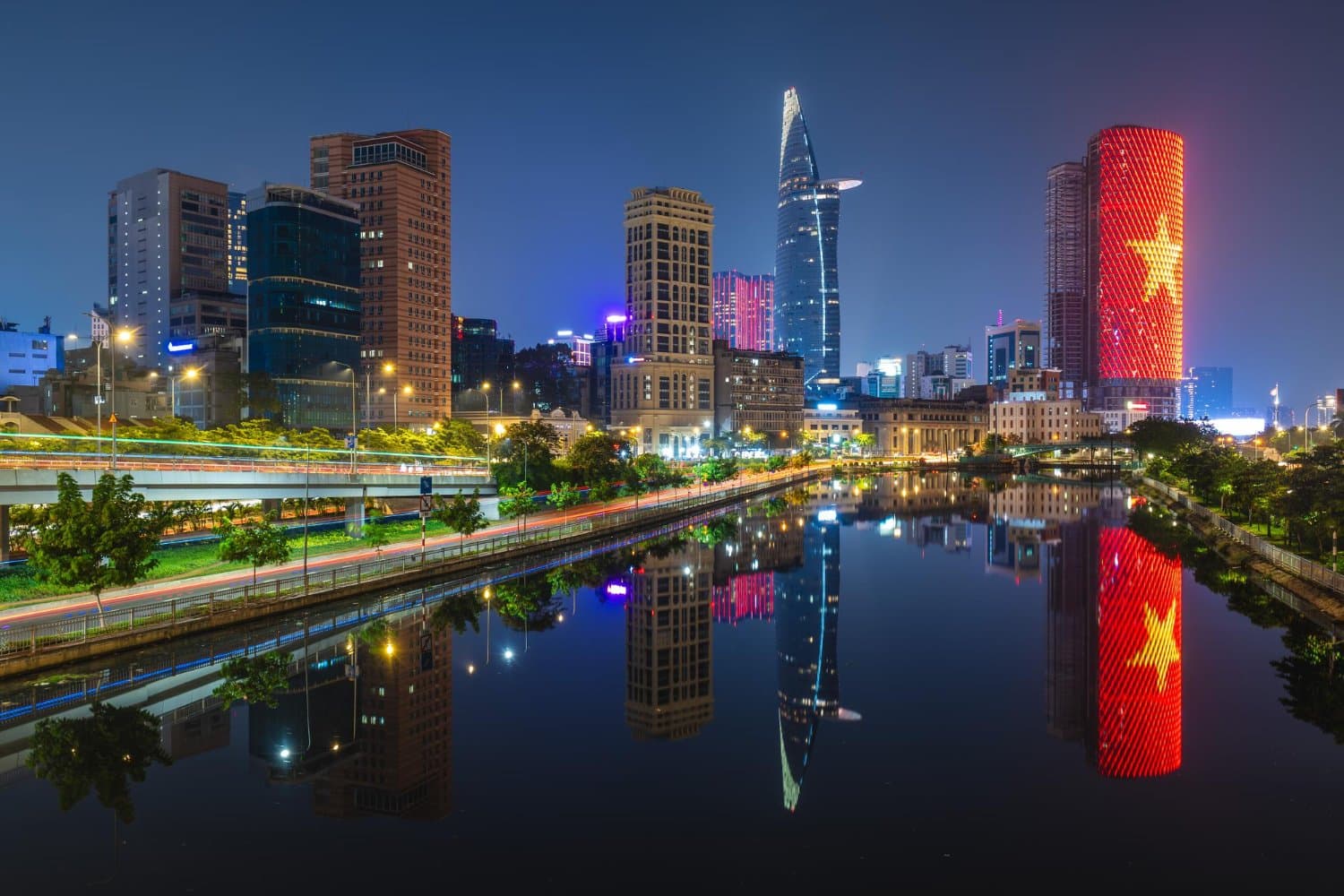
For example, a retired couple living comfortably in Ho Chi Minh City could expect monthly expenses along the following lines:
| Typical Monthly Expense | Estimated Cost |
|---|---|
| Modern one or two-bedroom apartment | £350–£900 |
| Utilities (electricity, water, internet) | £40–£90 |
| Groceries | £140–£280 |
| Eating out several times a week | £120–£250 |
| Private health insurance (varies by age and cover) | Varies significantly |
| Housekeeping (weekly) | Often £30–£70 per month |
In practice, many retirees find that a comfortable lifestyle can be achieved for approximately £1,100 to £1,800 per month, excluding extensive international travel or luxury spending. Those living outside the largest cities may spend even less, while retirees choosing premium apartments in central districts should expect higher costs.
One of Vietnam's greatest advantages is the affordability of everyday services. Hiring domestic help, using ride-hailing apps instead of owning a car, eating at local restaurants and accessing private healthcare all tend to cost a fraction of what similar services would in the UK.
Dining out is a good example. A bowl of authentic pho or a traditional Vietnamese lunch at a local restaurant may cost as little as £2–£4, while a meal at an international restaurant might range between £10 and £20 per person. This makes socialising and eating out a regular part of life without placing significant pressure on retirement finances.
Another benefit is that Vietnam's infrastructure continues to improve rapidly. Modern supermarkets, shopping centres, international schools (for those relocating with family), gyms and healthcare facilities have expanded considerably over the past decade, giving retirees access to many familiar conveniences while still enjoying relatively low living costs.
>>> Read more: Cost of Living in Vietnam for Expats: A Full Breakdown
Indonesia
Indonesia also offers an attractive cost of living, but the picture is more varied due to the country's size and diversity. Living expenses differ considerably between islands, cities and tourist destinations.
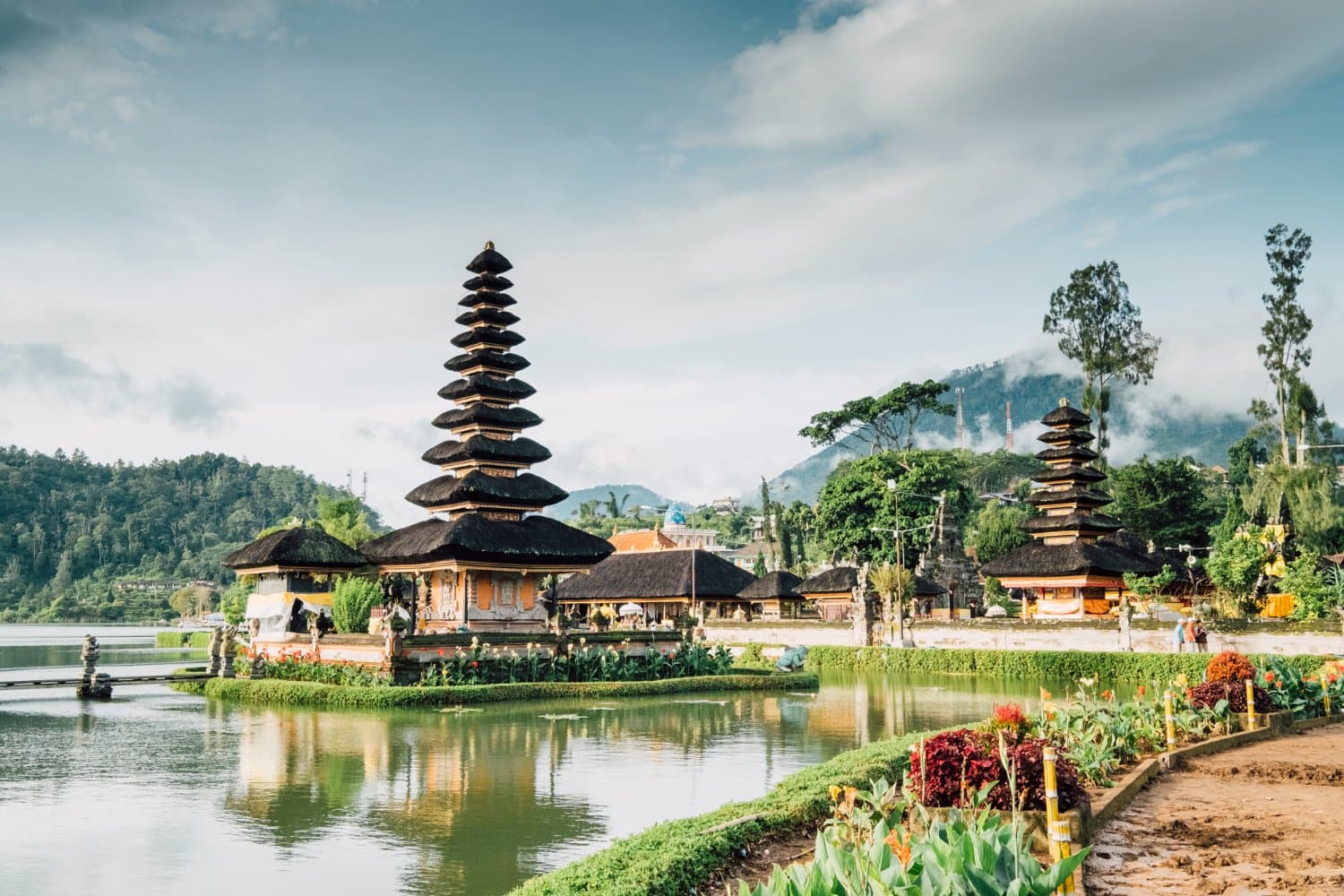
For many international retirees, Bali is the first location that comes to mind. While it remains more affordable than much of the UK, increased demand from digital nomads, long-term visitors and international investors has pushed accommodation and some everyday costs noticeably higher than they were a decade ago.
A retired couple living comfortably in Bali might typically budget along the following lines:
| Typical Monthly Expense | Estimated Cost |
|---|---|
| Modern apartment or villa | £500–£1,200+ |
| Utilities and internet | £50–£100 |
| Groceries | £160–£320 |
| Dining out regularly | £140–£300 |
| Domestic help | Often affordable compared with UK costs |
Outside Bali, however, costs can fall considerably. Cities and regions such as Yogyakarta, Lombok or parts of Java often provide excellent value for retirees willing to explore beyond Indonesia's best-known tourist destinations.
Food costs also depend on your preferences. Eating at local Indonesian restaurants (known as warungs) is extremely affordable, with many meals costing only £2–£5. However, imported groceries, premium supermarkets and Western restaurants can be noticeably more expensive than in Vietnam, particularly in areas popular with expatriates and holidaymakers.
Accommodation is usually the biggest variable. A modern villa with a private pool in Bali naturally commands a premium, whereas a modest apartment or house in less tourist-focused regions can cost substantially less. Retirees should therefore think carefully about the type of lifestyle they want before estimating their monthly budget.
Healthcare
Healthcare is one of the most important considerations when planning retirement abroad. While a lower cost of living can make retirement more affordable, access to reliable, high-quality medical care is equally essential for maintaining your quality of life as you get older.
Both Vietnam and Indonesia have invested significantly in their healthcare systems over recent years.
Vietnam
Vietnam's healthcare system has developed rapidly over the past decade, particularly in major cities such as Ho Chi Minh City, Hanoi and Da Nang. Alongside the public healthcare system, a growing number of private hospitals and international medical centres now provide high-quality care that is increasingly attractive to expatriates.

Many of these facilities feature:
English-speaking doctors and medical staff.
Modern diagnostic equipment and treatment facilities.
Short waiting times for consultations and procedures.
International standards of hygiene and patient care.
Direct billing arrangements with many international insurers.
Routine healthcare is also relatively affordable. Consultations with a general practitioner, dental check-ups and common diagnostic tests typically cost far less than comparable private healthcare in the UK, making preventative healthcare easier to access without significant financial strain.
For example, many expatriates appreciate being able to book specialist appointments within days rather than waiting weeks or months. This accessibility can make managing long-term health conditions considerably more convenient during retirement.
In addition, Vietnam has become an increasingly popular destination for medical tourism, with patients travelling from neighbouring countries for dental work, cosmetic procedures and certain specialist treatments. While this is not a guarantee of quality, it reflects the country's growing reputation for affordable private healthcare.
That said, healthcare standards can vary outside the largest cities. Retirees planning to settle in smaller provincial towns or rural areas should carefully consider the availability of nearby hospitals, specialist consultants and emergency medical services before relocating.
Indonesia
Indonesia also offers good private healthcare, although standards differ more noticeably across the country's thousands of islands.
The best medical facilities are generally found in:
Jakarta.
Bali.
Surabaya.
Other major urban centres.
These cities provide access to modern private hospitals, experienced specialists and English-speaking healthcare professionals who regularly treat international patients.

For retirees living in Bali, healthcare is generally considered more than adequate for routine medical needs. General consultations, diagnostic services and minor procedures are widely available, and many hospitals are accustomed to treating expatriates and international visitors.
However, healthcare provision becomes less consistent outside Indonesia's major cities. On smaller islands and in more remote regions, medical facilities may be limited, particularly for complex conditions requiring specialist expertise or advanced diagnostic equipment.
For this reason, some expatriates choose to travel overseas for more complicated procedures. Nearby countries such as Singapore and Malaysia are well known for specialist medical care, and some international health insurance policies include regional medical evacuation if advanced treatment becomes necessary.
Visa Options
For many UK retirees, visa eligibility can be just as important as the cost of living or healthcare. After all, finding your ideal retirement destination means little if obtaining long-term residency proves difficult.
This is one area where Vietnam and Indonesia differ significantly. While both countries welcome foreign visitors, their long-term immigration pathways are structured in different ways. Visa regulations can also change over time, so it is important to check the latest requirements before making any relocation plans.
Rather than focusing solely on whether you can enter the country, retirees should consider questions such as:
How long can you remain in the country?
Can the visa be renewed?
What are the financial requirements?
Is the visa suitable for full-time retirement?
Does it allow multiple entries and exits?
Are there pathways to longer-term residency?
Understanding these factors early can help avoid costly disruptions to your retirement plans.
Vietnam
Vietnam has become an increasingly popular destination for expatriates, but unlike some neighbouring countries, it does not currently offer a dedicated retirement visa for foreign nationals.
This means UK retirees cannot simply apply for a retirement-specific residency permit based solely on age or pension income.

Instead, many long-term expatriates live in Vietnam through alternative routes, depending on their individual circumstances. These may include:
Family sponsorship, such as being married to a Vietnamese citizen.
Investor visas for those establishing or investing in a business.
Employment-related visas for those continuing to work or consult.
Other residency arrangements that may be available under current immigration regulations.
For retirees who simply wish to spend part of the year in Vietnam rather than relocate permanently, some may choose to combine periods of residence with travel elsewhere in Asia, although this depends on the visa options available at the time and should not be relied upon as a long-term strategy.
The absence of a dedicated retirement visa should not necessarily discourage prospective retirees. Many expatriates enjoy long and successful lives in Vietnam, but doing so usually requires more careful immigration planning than in countries with formal retirement visa programmes.
Because Vietnamese immigration rules can evolve, it is sensible to seek professional immigration advice before making major financial commitments such as renting long-term accommodation or relocating your assets.
Indonesia
Indonesia has traditionally been viewed as one of Southeast Asia's more retirement-friendly destinations from an immigration perspective.
Historically, the country has offered retirement visa options designed specifically for older foreign nationals who meet certain eligibility requirements. While these arrangements have been updated in recent years as Indonesia has reformed its immigration system, retirees generally continue to have access to more structured long-term residency pathways than those currently available in Vietnam.

Depending on the visa route available at the time of application, retirees may need to satisfy requirements relating to:
Minimum age.
Proof of sufficient financial resources.
Valid health insurance.
Suitable accommodation.
Passport validity and supporting documentation.
As immigration policies continue to evolve, prospective retirees should always verify the latest eligibility criteria before making plans.
One advantage of Indonesia's retirement-focused approach is that it provides greater certainty for individuals who intend to remain in the country for many years without working. Having a visa specifically designed for retirement can simplify long-term planning and provide greater confidence when arranging accommodation, healthcare and other aspects of daily life.
Lifestyle and Culture
Vietnam and Indonesia each offer rich cultural experiences, beautiful landscapes and welcoming local communities, but they provide very different ways of life. Some retirees thrive in vibrant, fast-moving cities filled with cafés, markets and cultural attractions, while others prefer quiet coastal towns where life moves at a slower pace.
Before making your decision, consider what an ideal week in retirement looks like. Do you see yourself exploring historic streets, enjoying world-class street food and discovering new places? Or do you picture leisurely mornings by the beach, afternoon walks along the coast and a close-knit expat community?
Vietnam
Vietnam appeals to retirees who enjoy an active lifestyle combined with a rich cultural heritage. It is a country that blends centuries-old traditions with rapid economic development, creating an environment that feels both authentic and dynamic.
One of Vietnam's greatest strengths is its diversity. Despite being a relatively narrow country geographically, each region offers its own distinct character, climate and pace of life.

For example, depending on which city in Vietnam you choose to retire, each will have their own flair:
Ho Chi Minh City offers a modern, cosmopolitan lifestyle with international restaurants, shopping centres, rooftop bars and a thriving business community.
Hanoi combines French colonial architecture with centuries of history, lakes, museums and traditional neighbourhoods.
Da Nang provides an attractive balance of city living and beach life, making it increasingly popular with expatriates and retirees.
Smaller towns such as Hoi An and Nha Trang offer a slower pace of life while still providing excellent amenities and easy access to nature.
Food is another major attraction. Vietnamese cuisine is recognised worldwide for being fresh, flavourful and affordable. Retirees can enjoy everything from street-side pho and bánh mì to high-end international dining, often at prices that are significantly lower than in the UK.
Daily life in Vietnam is also remarkably convenient. It's common to:
Walk to local cafés for excellent coffee.
Shop at traditional fresh markets.
Use affordable ride-hailing services instead of owning a car.
Enjoy inexpensive domestic travel by air, train or coach.
For retirees who enjoy staying active, Vietnam offers plenty to explore. Weekend trips to mountains, beaches, national parks and UNESCO World Heritage Sites are easily accessible, making it an excellent base for discovering both Vietnam and the wider Southeast Asian region.
Life in Vietnam can feel energetic, particularly in its larger cities. Motorbikes, bustling markets and busy streets are all part of the experience. While some retirees find this initially overwhelming, many come to appreciate the country's vibrant atmosphere and sense of constant progress.
Indonesia
Indonesia offers a very different retirement lifestyle. Spread across more than 17,000 islands, it is one of the world's most geographically diverse countries and provides an abundance of options for retirees seeking a more relaxed pace of life.
For many international retirees, Bali is the obvious choice. The island has developed a global reputation for its beautiful beaches, tropical landscapes and well-established expatriate community.

Retirees living in Bali often enjoy:
Warm weather throughout the year.
Outdoor cafés and beachfront restaurants.
Yoga, wellness and fitness communities.
Art galleries and cultural festivals.
Easy access to beaches and nature.
The slower rhythm of daily life is one of Indonesia's biggest attractions. Compared with the busier urban centres of Vietnam, many parts of Indonesia encourage a more laid-back lifestyle, making it appealing for those who want to spend their retirement focusing on relaxation and wellbeing.
Indonesia is also culturally rich. Each island has its own traditions, languages and customs, offering endless opportunities to explore beyond the country's most popular tourist destinations.
While Bali receives much of the international attention, retirees may also find attractive alternatives in places such as Lombok, Java or parts of Sumatra, depending on their priorities and preferred lifestyle.
However, it's worth noting that living in popular tourist areas can mean sharing your surroundings with large numbers of short-term visitors. Some retirees enjoy the lively international atmosphere, while others may prefer quieter locations away from the main tourist centres.
Climate
Climate is often one of the main reasons UK retirees consider relocating to Southeast Asia. After years of cold winters, grey skies and unpredictable weather, the prospect of spending retirement in a warmer climate can be incredibly appealing.
However, while both Vietnam and Indonesia enjoy tropical conditions, they are far from identical. Differences in geography mean each country experiences distinct weather patterns, seasonal changes and regional climates. Understanding these variations is important, particularly if you have health considerations or specific lifestyle preferences.
When comparing climates, retirees should think beyond average temperatures and also consider:
Humidity levels.
Rainy and dry seasons.
Risk of flooding or storms.
Air quality.
Seasonal travel opportunities.
Whether they prefer consistent weather or changing seasons.
The ideal climate is ultimately a personal choice, and what feels comfortable for one retiree may not suit another.
Vietnam
One of Vietnam's biggest advantages is its geographical diversity. Stretching over 1,600 kilometres from north to south, the country experiences several different climate zones, giving retirees a wider choice of environments than many people initially realise.
This means you can often choose a destination that aligns with your preferred weather rather than adapting to a single nationwide climate.
1. Northern Vietnam
Northern cities such as Hanoi experience four distinct seasons.
While summers are hot and humid, winters can become surprisingly cool, with temperatures occasionally falling below 10°C in some areas. Although snowfall is extremely rare outside mountainous regions, many UK retirees appreciate having a mild winter season without experiencing the harsh conditions common in Britain.
Spring and autumn are generally regarded as the most pleasant times of year, offering comfortable temperatures and lower humidity.

2. Central Vietnam
Central Vietnam, including cities such as Da Nang and Hoi An, enjoys warm temperatures throughout the year but experiences more clearly defined wet and dry seasons.
The dry season typically brings long periods of sunshine, making it popular with beach lovers and outdoor enthusiasts.
During the rainy season, however, some coastal areas can experience heavy rainfall and occasional flooding. While this is part of the natural climate cycle, retirees should be aware of seasonal weather patterns when choosing where to settle.
3. Southern Vietnam
Southern Vietnam, including Ho Chi Minh City, enjoys a consistently warm tropical climate throughout the year.
Temperatures generally remain between 25°C and 35°C, with relatively little seasonal variation.
Rather than experiencing four seasons, the south has two primary periods:
Dry season: Typically sunny with lower rainfall.
Rainy season: Characterised by short, heavy tropical showers, often occurring during the afternoon before clearing quickly.
Many expatriates find these brief downpours easier to adapt to than prolonged rainy periods, as outdoor activities can usually continue for much of the day.
Indonesia
Indonesia also offers a warm tropical climate, but because it lies close to the equator, temperatures remain remarkably consistent throughout the year.
Unlike Vietnam, Indonesia experiences relatively little seasonal variation in temperature. Instead, the main distinction is between the dry season and the wet season.
Average daytime temperatures commonly range between 26°C and 32°C, depending on the island and altitude.
For retirees seeking year-round warmth with minimal seasonal change, this consistency is one of Indonesia's greatest attractions.

Dry Season
The dry season is generally considered the best time for outdoor activities and travel.
During these months, retirees can enjoy:
Beach walks.
Golf.
Sailing and water sports.
Outdoor cafés and restaurants.
Hiking and sightseeing.
Lower rainfall also makes domestic travel between Indonesia's many islands more convenient.
Wet Season
The wet season brings higher humidity and more frequent rainfall.
In many regions, rain arrives in heavy tropical showers rather than lasting all day, although prolonged periods of wet weather are possible depending on location.
Popular retirement destinations such as Bali remain attractive throughout the year, but retirees should expect increased humidity during wetter months.
Expat Communities
Moving overseas is about much more than finding an affordable place to live. Feeling connected to your new surroundings, building friendships and having access to a supportive community can make a significant difference to your overall retirement experience.
While many UK retirees are keen to immerse themselves in the local culture, having a network of fellow expatriates can provide valuable practical and social support, particularly during the early stages of settling into a new country.
Fortunately, both Vietnam and Indonesia have thriving international communities. However, they differ in size, composition and the overall lifestyle they offer.
Before deciding where to retire, it is worth considering questions such as:
How easy will it be to make new friends?
Are there active social groups and clubs?
Will you be surrounded primarily by retirees, or by people of all ages?
How much interaction do you want with the local community?
Do you prefer an established expat hub or a destination with fewer foreign residents?
The answers will vary from person to person, but understanding the nature of each country's expat community can help you decide where you'll feel most at home.
Vietnam
Vietnam's expatriate population has grown steadily over the past two decades as the country's economy has expanded and international businesses have invested across the region.
Unlike some retirement destinations that are dominated by retirees, Vietnam's expat community is remarkably diverse. You'll find:
Retirees.
Business owners.
Professionals working for multinational companies.
Entrepreneurs and freelancers.
Teachers and academics.
Young families relocating for work.
This mix creates a vibrant international community with a broad range of interests and activities, making it relatively easy to meet people from different backgrounds.

The largest expat communities are found in:
Ho Chi Minh City: Vietnam's commercial hub with a large international population and extensive social scene with Thao Dien area being the most vibrant expat community in the city
Hanoi: Popular with diplomats, professionals and long-term expatriates.
Da Nang: An increasingly popular choice for retirees thanks to its beaches, modern infrastructure and relaxed pace of life.
Many newcomers find that Vietnam strikes an appealing balance between having a supportive expat network and maintaining a strong sense of local culture. While English is widely spoken within the international community and at many businesses catering to expatriates, everyday life still feels distinctly Vietnamese, providing opportunities to experience the country's traditions, cuisine and way of life.
Social opportunities are plentiful and often include:
Expat networking events.
Golf clubs and sports groups.
Walking and cycling clubs.
Charity organisations.
Volunteer projects.
Professional networking events.
Food tours and cultural experiences.
Language exchange groups.
Many retirees also appreciate how affordable it is to socialise. Whether meeting friends for coffee, dining out or attending local events, the lower cost of living means maintaining an active social calendar is often far less expensive than it would be in the UK.
Indonesia
Indonesia is home to one of Southeast Asia's largest expatriate communities, although its size and character vary considerably depending on location.
For most retirees, Bali is the centre of expat life. Decades of international tourism have helped establish a mature expatriate infrastructure, making it one of the easiest places in Asia for newcomers to settle.
In Bali, retirees will find a wide range of services specifically geared towards international residents, including:
International healthcare providers.
English-speaking businesses.
Social clubs and networking groups.
Sports and fitness communities.
Religious organisations.
Volunteer opportunities.
Hobby groups covering everything from gardening to photography.

The island's large international population means it is often possible to develop a social network very quickly. Regular events, community gatherings and organised activities provide numerous opportunities to meet people with similar interests.
Beyond Bali, expatriate communities can also be found in cities such as Jakarta and Surabaya, although these tend to consist more of professionals and business executives than retirees.
One consideration for prospective retirees is that some of Indonesia's most popular destinations attract large numbers of tourists and short-term visitors throughout the year. While many people enjoy this lively atmosphere, others may prefer a quieter location with fewer seasonal fluctuations in population.
Property
For many UK retirees, buying a home overseas is an important part of their retirement plans.
However, purchasing property in Southeast Asia is often more complex than buying a home in the UK. Property laws, ownership rights and legal protections vary significantly between countries, and what applies to local citizens may not apply to foreign nationals.
Before purchasing property in either Vietnam or Indonesia, it is important to understand:
Whether foreigners can legally own property.
What type of ownership is available.
The length and security of any leasehold arrangements.
Ongoing maintenance and management costs.
Local taxes and legal fees.
Exit strategies if you decide to sell or return to the UK.
For many retirees, renting initially can be a sensible way to explore different locations before making a long-term commitment.
Vietnam
Vietnam has experienced significant growth in its property market over the past two decades, driven by rapid urban development, infrastructure investment and a growing middle class.
Foreign nationals are permitted to purchase certain types of residential property, but property ownership is subject to specific legal restrictions. In most cases, foreigners may purchase apartments within approved developments rather than land itself, and ownership is generally granted on a long-term leasehold basis rather than as freehold ownership.

Key points for foreign buyers include:
Foreigners cannot generally own land directly.
Apartments in approved developments may be purchased, subject to legal limits.
Ownership is typically granted for a fixed term, with the possibility of renewal under certain conditions.
Legal procedures should always be completed through qualified professionals.
For retirees who simply want a comfortable home without the responsibilities of ownership, Vietnam's rental market is particularly attractive.
Modern apartments are widely available in cities such as Ho Chi Minh City, Hanoi and Da Nang, often featuring:
Swimming pools.
Gyms.
24-hour security.
Concierge services.
Convenient access to shops, restaurants and healthcare facilities.
Rental prices remain competitive compared with the UK, giving retirees considerable flexibility. Many choose to rent for several years before deciding whether purchasing is appropriate.
Indonesia
Indonesia also places restrictions on foreign ownership of property, although the legal framework differs from Vietnam.
As a general rule, foreign nationals cannot own freehold land in the same way as Indonesian citizens. Instead, overseas buyers usually acquire property through various leasehold or usage rights that are governed by Indonesian property law.
Depending on the circumstances, foreign purchasers may be able to acquire certain rights relating to residential property, but these arrangements can be legally complex and require careful due diligence.

Prospective buyers should pay particular attention to:
The legal structure of the ownership arrangement.
The remaining term of any lease.
Renewal provisions.
Zoning regulations.
Licensing requirements where applicable.
Popular retirement destinations such as Bali offer a wide range of attractive villas and apartments, but demand from both domestic and international buyers has increased property prices in many desirable locations.
As in Vietnam, renting is often a practical option for retirees who want greater flexibility or who are still deciding where they wish to settle permanently.
Renting vs Buying
For many UK retirees, renting rather than buying can offer several advantages, particularly during the first few years of living abroad.
Benefits of renting include:
Greater flexibility if your circumstances change.
No exposure to overseas property market fluctuations.
Fewer legal complexities.
Lower upfront costs.
Easier relocation if you decide to move to another city or country.
Buying, on the other hand, may appeal to retirees planning to remain in one location for many years. However, any purchase should be approached carefully, with a clear understanding of local laws and professional legal guidance throughout the transaction.
It's also worth remembering that property ownership overseas brings ongoing responsibilities, including maintenance, insurance, service charges and, in some cases, management fees if you are absent for extended periods.
Tax Considerations
Tax is one of the most important aspects of retiring overseas. While many UK retirees focus on lifestyle, climate and the cost of living, failing to understand the tax implications of an international move can have significant financial consequences.
It's also important to remember that moving abroad does not automatically mean you stop paying UK tax, nor does it necessarily mean you'll become tax resident in your new country immediately.
Understanding Tax Residency
One of the first questions retirees should consider is where they will be regarded as tax resident.
Tax residency determines which country has the primary right to tax your worldwide income, although the exact position depends on your personal circumstances and any applicable tax agreements.
Factors that may influence tax residency include:
The number of days you spend in each country.
Whether you maintain a permanent home in the UK.
Your family and personal ties.
Where your financial interests are centred.
Local residency rules in your chosen country.
Many retirees mistakenly assume that simply spending more time overseas automatically changes their tax status. In reality, determining tax residency can be considerably more complex.
Tax Considerations in Vietnam
Vietnam operates its own tax residency rules, and individuals who meet certain residency criteria may become liable for tax in Vietnam.
Depending on your circumstances, issues that may need careful consideration include:
Overseas pension income.
Employment or consultancy income.
Investment income.
Rental income.
Capital gains in certain situations.

For retirees living in Vietnam, understanding how local tax rules interact with UK tax obligations is essential.
Vietnam also has a Double Taxation Agreement (DTA) with the United Kingdom. The purpose of a DTA is generally to help prevent the same income from being taxed twice, although it does not necessarily exempt you from tax altogether. Instead, it helps determine which country has taxing rights over different types of income and may provide relief where tax has been paid in both jurisdictions.
Exactly how the agreement applies depends on your individual circumstances and the type of income involved.
Tax Considerations in Indonesia
Indonesia also has its own tax residency rules and taxes certain individuals based on their residency status and the nature of their income.
Retirees relocating to Indonesia should consider how local tax rules may apply to:
UK pension income.
Investment portfolios.
Rental income from UK property.
Dividend income.
Interest received on savings.
Capital gains where applicable.

Like Vietnam, Indonesia has a Double Taxation Agreement with the United Kingdom, helping reduce the likelihood of double taxation for qualifying individuals.
However, understanding which country has taxing rights over different sources of income can be complex, particularly where pensions, investments and multiple jurisdictions are involved.
UK Pension Considerations
For many retirees, pensions represent their primary source of retirement income, making pension planning a key part of any international move.
Depending on the type of pension you hold, different tax rules may apply.
For example, you may have:
The UK State Pension.
A defined benefit (final salary) pension.
A defined contribution pension.
Multiple pension arrangements accumulated over your working life.
Before relocating, it's worth reviewing:
How your pension income will be taxed.
Whether pension withdrawals remain tax-efficient.
The currency in which benefits will be paid.
Whether consolidating pensions could simplify retirement planning.
How your pension fits within your overall retirement income strategy.
Making informed decisions before leaving the UK can often provide greater flexibility and reduce unnecessary complexity later.
Investments and Currency
Many UK retirees continue holding investment portfolios after moving overseas.
These may include:
ISAs.
General investment accounts.
Pension investments.
Cash savings.
Investment bonds.
While your investment strategy may not need to change simply because you've relocated, your tax treatment could.
Another consideration is currency risk.
If your investments remain denominated largely in Pounds Sterling while your living expenses are paid in Vietnamese Dong or Indonesian Rupiah, exchange rate movements can affect your retirement income.
For example, a stronger Pound may increase your purchasing power overseas, while a weaker Pound could reduce the amount of local currency your pension or investments provide.
Maintaining an appropriate balance between income generation, diversification and currency exposure is therefore an important part of long-term retirement planning.
Estate and Succession Planning
Tax planning extends beyond your lifetime.
If you intend to spend many years abroad, it is sensible to review your wider estate planning arrangements, including:
Existing UK wills.
Overseas assets.
Beneficiary nominations.
Powers of attorney.
Inheritance tax considerations.
Succession planning for your family.
Relocating internationally can introduce additional legal complexities, particularly where assets are held across multiple countries.
Ensuring your estate planning remains up to date can help provide greater certainty for your loved ones and reduce administrative difficulties in the future.
Why Professional Advice Matters
Cross-border taxation is rarely straightforward.
Even seemingly simple decisions, such as withdrawing from a pension, selling an investment or purchasing overseas property—can have tax implications that differ depending on your residency status and personal circumstances.
Rather than viewing tax planning as a one-off exercise before retirement, it should form part of your ongoing financial strategy.
Working with advisers, such as Benjamin Sharvell, who understand international financial planning can help ensure your retirement arrangements remain aligned with changing legislation and your long-term objectives.
Which Country is Better for UK Retirees?
The answer depends entirely on your priorities.
Vietnam may suit you better if you value:
Lower living costs
Excellent food
Modern cities
Rapidly improving healthcare
Authentic local culture
Strong value for money
Indonesia may suit you better if you prioritise:
Beach living
Established retiree communities
Slower pace of life
Resort-style surroundings
Retirement visa pathways
Wellness-focused lifestyles
Neither choice is universally better.
The most successful retirements are built around careful financial planning rather than simply choosing the cheapest destination.
Planning Your Retirement Abroad
Relocating overseas is one of the biggest financial decisions you'll make. Beyond choosing between Vietnam and Indonesia, it's important to ensure your retirement finances are structured efficiently before you move.
As a globally experienced financial adviser based in Ho Chi Minh City, Vietnam specialising in wealth management for expat clients, I help internationally mobile individuals develop long-term financial strategies that align with their retirement goals. Having lived and worked abroad myself, I understand both the opportunities and challenges that come with building a life overseas.
My services include:
Future Planning, including retirement planning, pension planning, education fee planning and succession planning.
Savings Solutions, such as regular savings, lump sum investments, foreign exchange guidance and offshore banking.
Pension Solutions, including advice on UK pensions, SIPPs, QROPS, QNUPS and international pension arrangements.
Property Solutions, covering property investment strategies and UK or international mortgages.
Insurance Solutions, including health insurance and life insurance tailored to expatriate lifestyles.
With proactive planning and a personalised investment strategy, you can position your wealth to support the retirement lifestyle you've worked hard to achieve.
Ready to Plan Your Retirement Abroad with Confidence?
Choosing between Vietnam and Indonesia is about more than comparing living costs and lifestyle, it's about ensuring your finances are structured to support the retirement you envision. With the right financial strategy, you can make informed decisions about your pensions, investments, tax planning and long-term wealth.
As a globally experienced financial adviser specialising in wealth management for expats, I help UK retirees navigate the financial complexities of living overseas. If you're considering retirement in Southeast Asia, I'd be delighted to discuss how a personalised financial plan can help you achieve your goals with confidence.
Get in touch with Benjamin Sharvell IFA today to start planning your retirement abroad with clarity and peace of mind!